MID-CENTURY STYLE AND ITS APPLICATION IN MODERN SPACES
In the context of increasing demand for modern architectural design, Mid-Century style is gaining popularity thanks to its timeless aesthetic, versatility, and adaptability across various types of projects - from residential homes to hotels, resorts, and restaurants.
What is Mid-Century style?
Mid-Century (Mid-Century Modern) is an architectural and interior design style that emerged between 1945 and 1970, developing strongly in the United States and Northern Europe after World War II. This style represents a harmonious blend of nostalgic values and modern spirit, focusing on open living spaces, functionality, comfort, and a close connection with nature.
In the context of increasing demand for modern architectural design, Mid-Century style is gaining popularity thanks to its timeless aesthetic, versatility, and adaptability across various types of projects - from residential homes to hotels, resorts, and restaurants.
Key characteristics of Mid-Century design
Open spaces with abundant natural light
Mid-Century design prioritizes open layouts, minimizing partitions and incorporating large glass windows to maximize natural light. This creates a spacious atmosphere while strengthening the connection between living areas and between people and nature.
Minimalist furniture focused on functionality
Mid-Century furniture features clean forms, balanced proportions, and clear lines with minimal decorative details. Simple geometric shapes with slightly tapered elements create a refined and lightweight visual effect.
Natural and authentic materials
Materials such as wood, leather, fabric, stone, and glass are characteristic of the Mid-Century style. The emphasis is on natural textures and authenticity rather than overly ornate decoration or metallic finishes. The combination of natural materials with modern elements creates a balanced, sustainable aesthetic aligned with contemporary living trends.
Neutral color palette with bold accents
Mid-Century interiors often use neutral tones such as grey, greige, wood brown, and white, complemented by accent colors like mustard yellow, orange, or olive green, creating a warm atmosphere without making the space feel heavy.
Applying Mid-Century style in living spaces
Thanks to its flexibility, Mid-Century style can be effectively applied in various spaces:
-
Living rooms: open layouts with neutral floors and walls to highlight furniture pieces
-
Kitchens: streamlined designs with durable and easy-to-maintain materials
-
Bedrooms: warm, muted color palettes that create a relaxing atmosphere
-
Commercial spaces: restaurants, cafés, and hotels seeking a distinctive identity while remaining easy to maintain
Catalan tiles in Mid-Century interiors
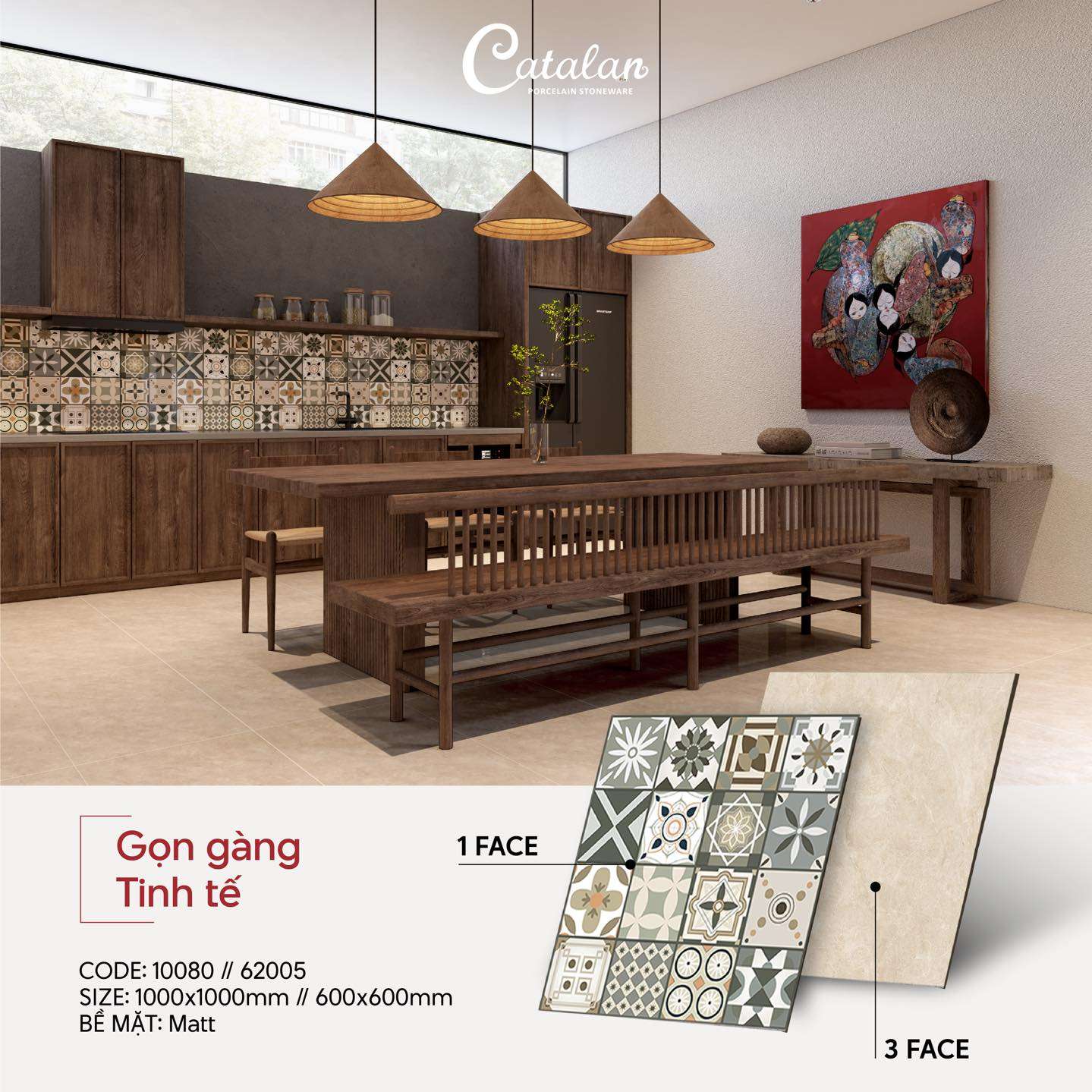
(62005)
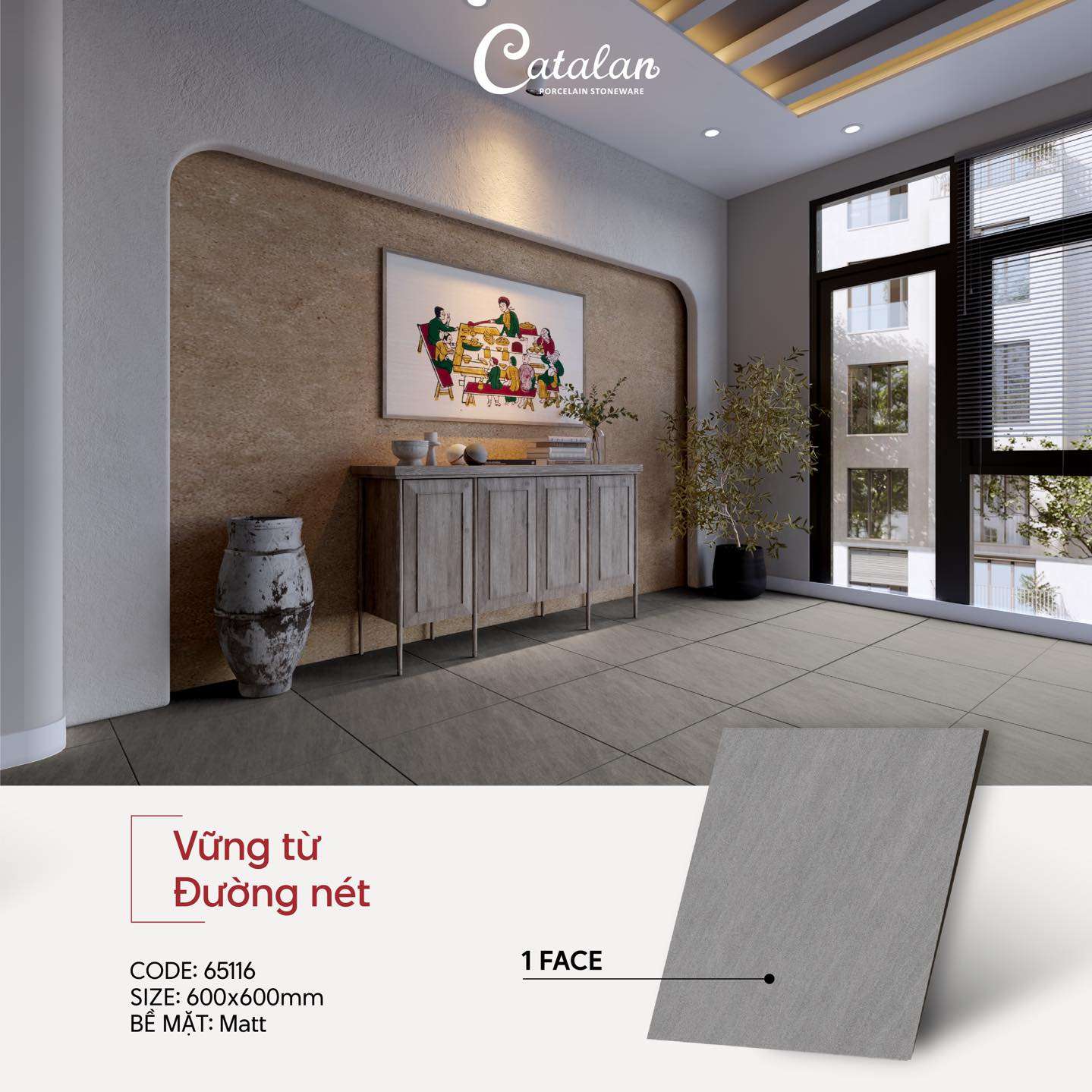
(65116)
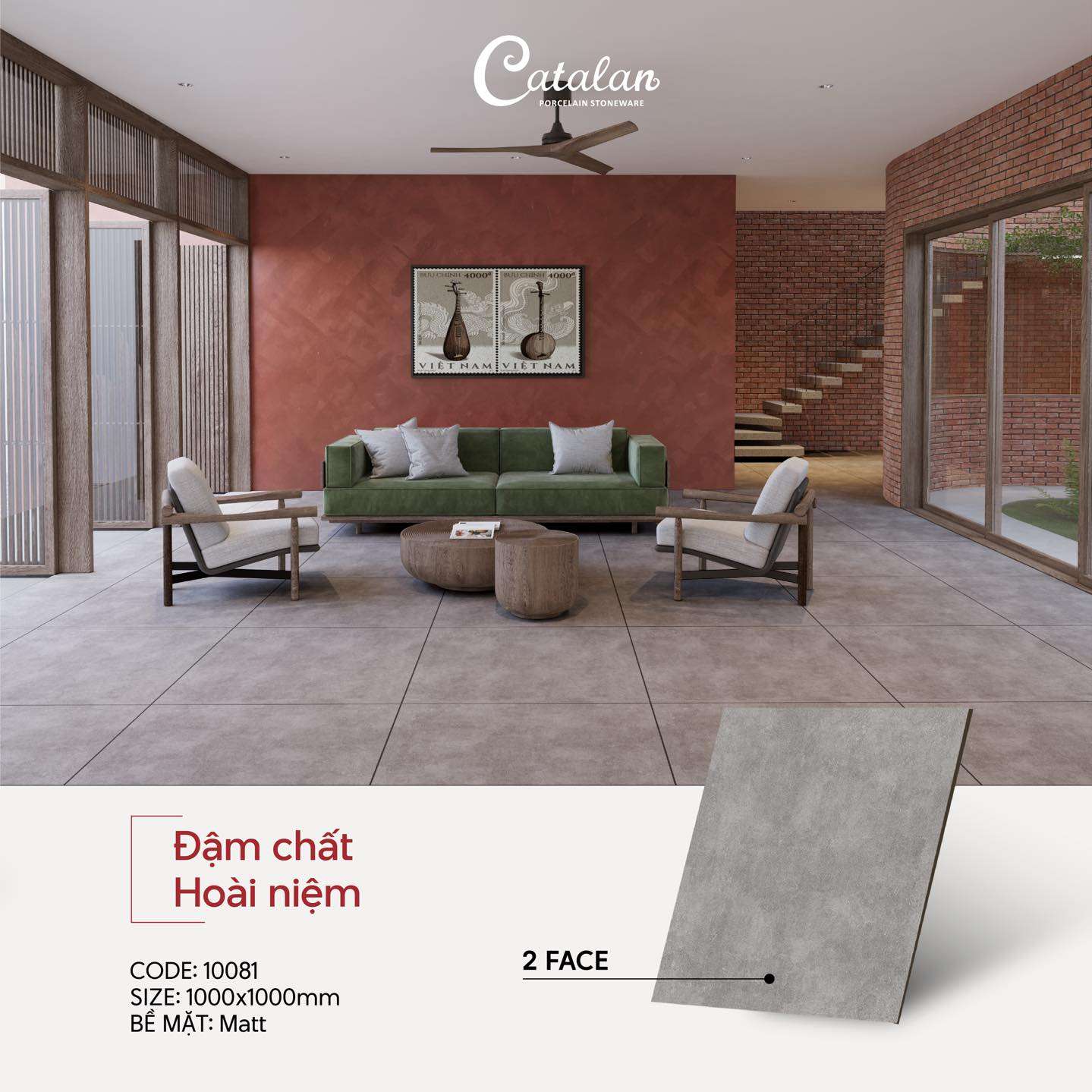
(10081)
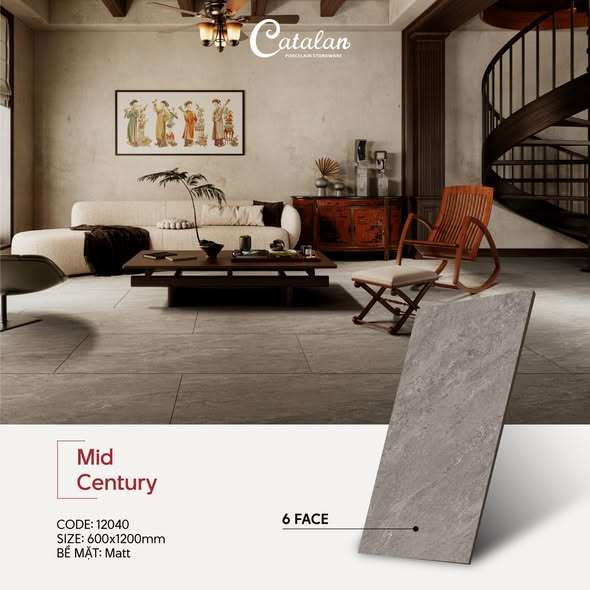
(12040)
In the spirit of modern Mid-Century design, tiles play an important role in establishing the aesthetic foundation and connecting spaces. Catalan introduces tile lines with matt surfaces and deep grey tones, including cement grey and raw concrete-inspired finishes, aligning with the distinctive characteristics of Mid-Century style.
Mid-Century style is an ideal choice for those who appreciate nostalgic beauty while valuing modern comfort and functionality. With its minimalist design, natural materials, and open spatial concept, Mid-Century brings a balanced and sustainable living experience. In projects inspired by Mid-Century spirit, Catalan tiles serve as the foundational layer, helping create spaces that feel calm, connected, and aesthetically enduring over time.
Related posts
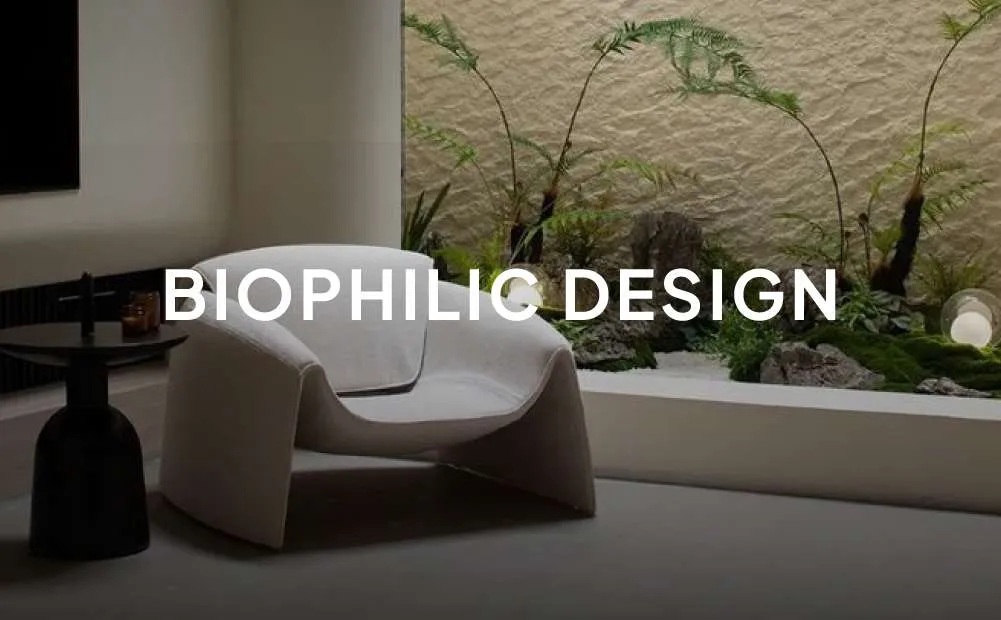
BIOPHILIC DESIGN: A DESIGN TREND THAT BRINGS NATURE INTO LIVING SPACES
In modern architecture and interior design, the trend of bringing nature into living spaces is receiving increasing attention as people spend most of their time in buildings and urban areas. Designers seek to make light, greenery, materials, forms, and experiences of nature a part of architecture.
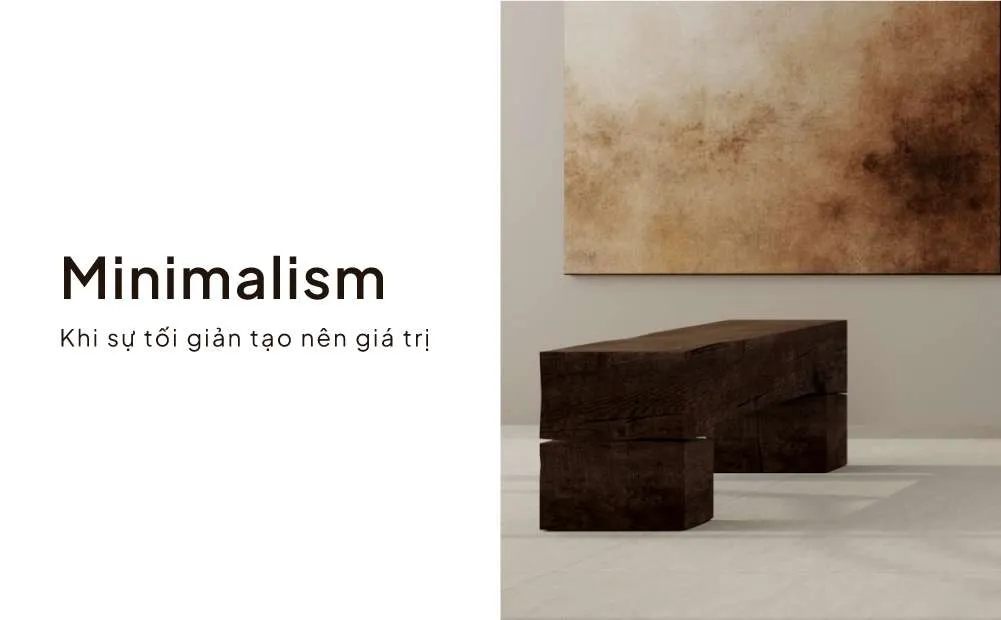
MINIMALISM: WHEN SIMPLICITY CREATES VALUE
In modern life, as people increasingly value balance and quality of living, Minimalism has become one of the most favored interior design styles. Rather than focusing on elaborate forms, Minimalism emphasizes simplicity, functionality, and essential breathing space to create a living environment that feels light, calm, and full of depth.
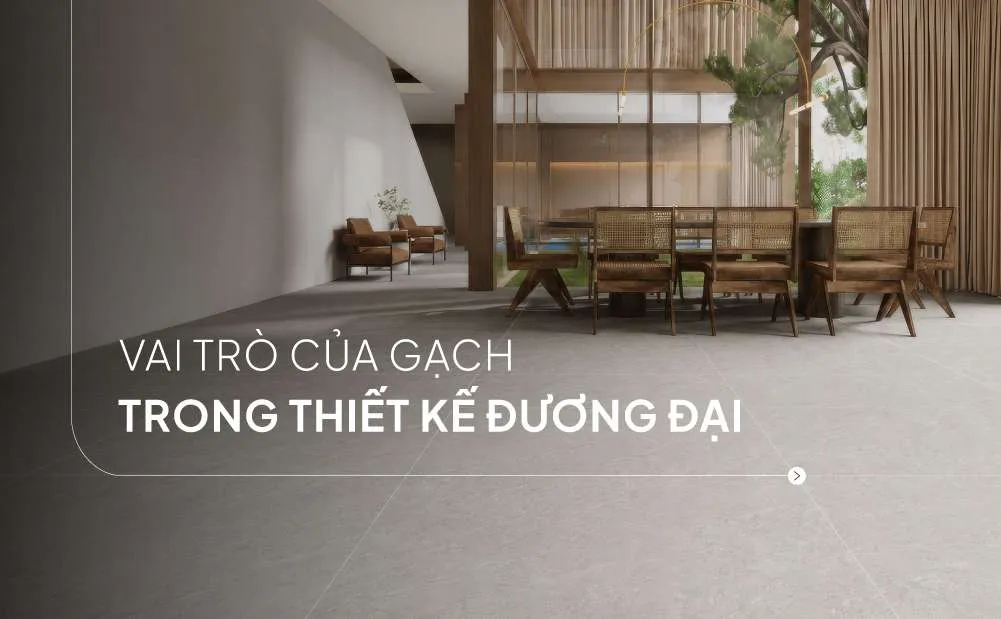
THE ROLE OF TILES IN CONTEMPORARY DESIGN
The Contemporary style allows architects and designers to flexibly combine modern lines, materials, colors, and forms to create spaces that reflect the spirit of each project. Within this overall approach, tiles are not simply a surface finishing material. With a diverse range of colors, sizes, textures, and visual effects, tiles have become an important element in shaping architectural language and creating a distinctive identity for contemporary spaces.
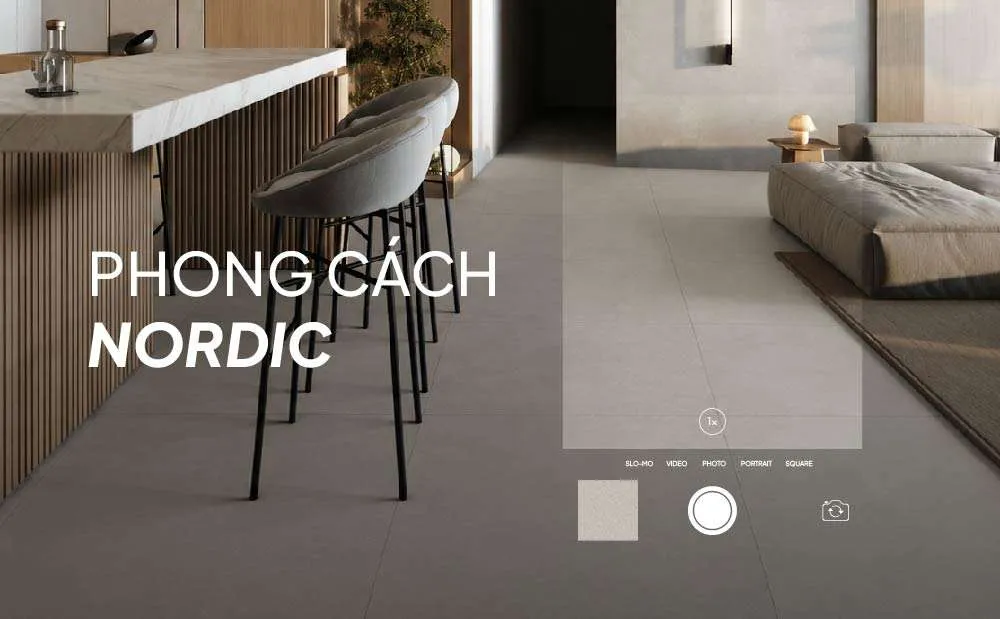
NORDIC STYLE AND TILE SELECTION TRENDS
In recent years, Nordic (Scandinavian) style has become one of the most popular interior design trends thanks to its minimalist aesthetic, refined simplicity, and strong connection to nature. Beyond furniture and wall colors, choosing the right wall and floor tiles plays an essential role in creating a harmonious, bright, and timeless living space.
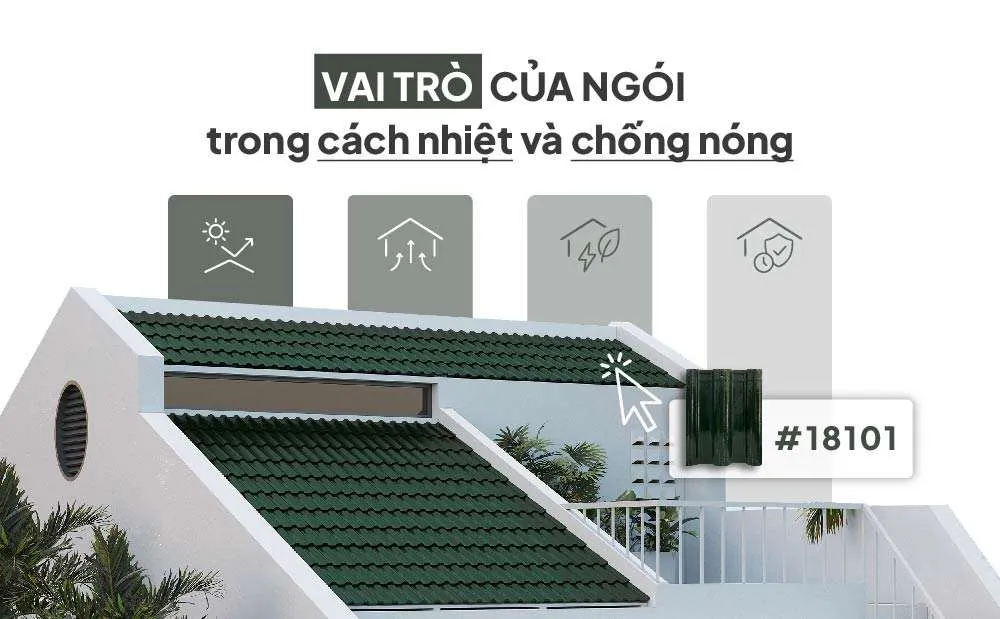
THE ROLE OF ROOF TILES IN THERMAL INSULATION AND HEAT REDUCTION FOR BUILDINGS
The roof is the part of a building that is directly exposed to sunlight, making it a major factor affecting indoor temperatures. Choosing the right roofing tiles not only enhances the aesthetic appeal of a building but also contributes to effective thermal insulation and heat reduction, creating a cooler and more energy-efficient living environment.
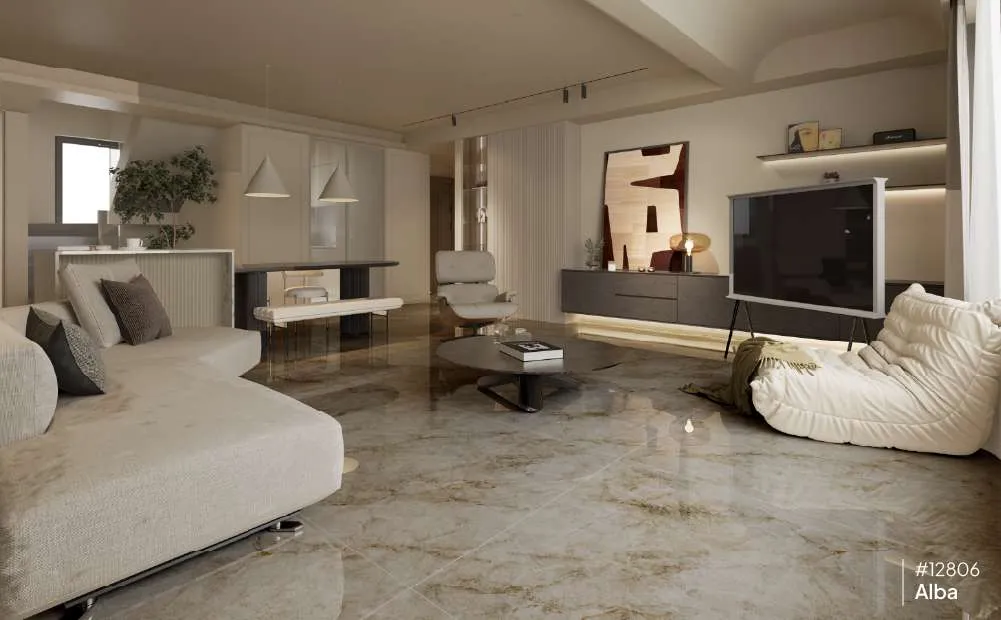
WHAT MAKES A HIGH-QUALITY BUILDING?
A beautiful building is not defined solely by its striking appearance or the latest design trends. Its true value lies in the balance between aesthetics, functionality, and long-term durability. From the initial design concept and construction quality to the selection of finishing materials, every element plays a vital role in creating a living space that is both beautiful and built to last.