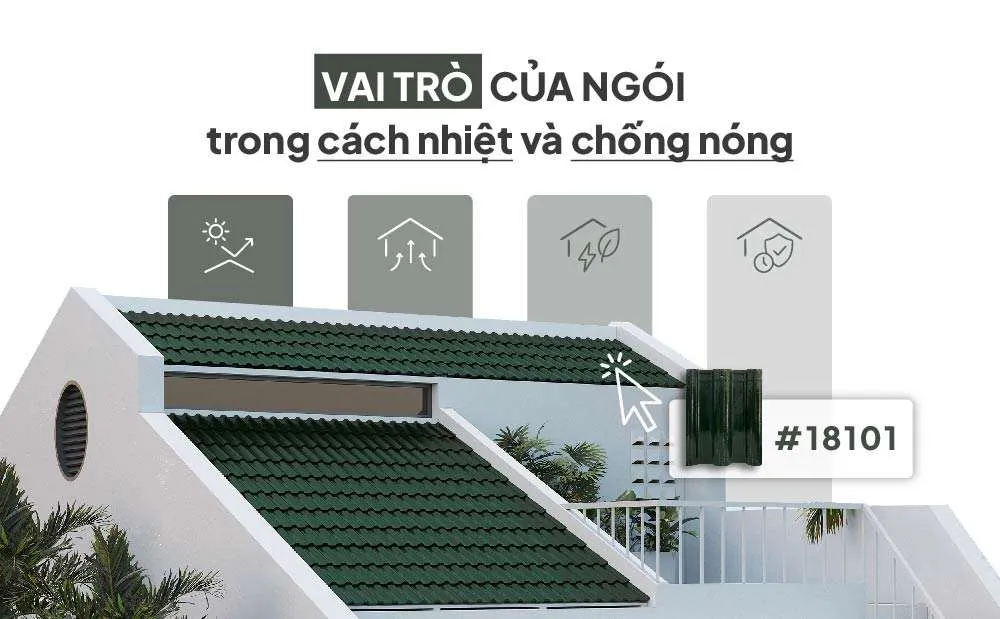
THE ROLE OF ROOF TILES IN THERMAL INSULATION AND HEAT REDUCTION FOR BUILDINGS
The roof is the part of a building that is directly exposed to sunlight, making it a major factor affecting indoor temperatures. Choosing the right roofing tiles not only enhances the aesthetic appeal of a building but also contributes to effective thermal insulation and heat reduction, creating a cooler and more energy-efficient living environment.
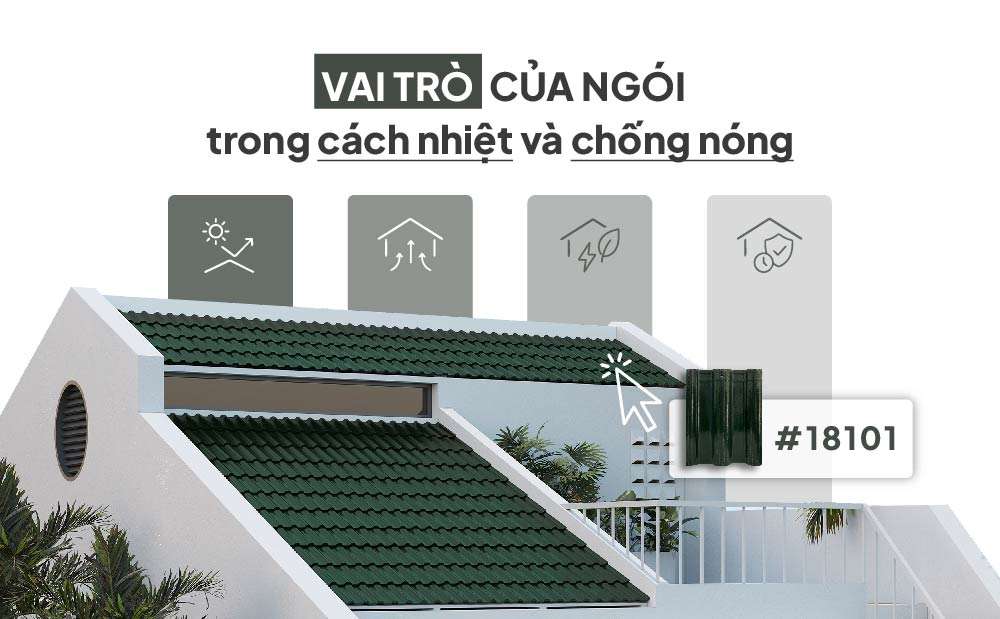
Factors That Help Keep a Home Cool
In tropical climates such as Vietnam, intense sunlight makes the roof one of the areas that absorbs the most heat. As a result, indoor temperatures can rise significantly, creating an uncomfortable, stuffy environment and increasing electricity consumption for cooling systems.
Therefore, choosing the right roofing material is important not only from an aesthetic perspective but also for thermal insulation and heat reduction. Among various options, roof tiles are considered an effective solution for reducing heat absorption and creating a more comfortable, energy-efficient living space.
Why Do Roof Tiles Provide Thermal Insulation and Heat Reduction?
Reducing Heat Absorption from Sunlight
The roof is directly exposed to solar radiation for many hours each day. When materials with high heat absorption are used, heat can be transferred quickly into the interior of the building.
With suitable material properties and structural design, roof tiles can help limit heat absorption from the surrounding environment and reduce the amount of heat transferred into the building. As a result, indoor temperatures can remain more stable, especially during prolonged periods of hot weather.
Creating an Air Buffer Beneath the Roof
One of the key advantages of a tiled roof system is the air space between the tiles and the underlying roof structure. This space acts as a buffer that allows air to circulate naturally, helping reduce heat buildup beneath the roof.
This is also why buildings with tiled roofs often provide a cooler and more comfortable indoor environment compared with roofing systems that allow heat to transfer directly into the structure.
Helping Reduce Energy Consumption
When less heat enters the building, the need for air conditioning and other cooling equipment is also reduced.
This not only helps lower monthly electricity costs but also promotes more efficient energy use, supporting the growing trend toward green and sustainable building practices.
Protecting the Structure and Extending the Building’s Lifespan
Continuous exposure to high temperatures can affect the durability of various construction materials, causing thermal expansion and deterioration over time.
A tiled roofing system can help reduce the impact of heat on the roof structure, protecting the building from weather-related effects while contributing to a longer service life for the entire property.
Factors Affecting the Heat-Reduction Performance of a Tiled Roof
In addition to choosing high-quality roof tiles, the thermal performance of a roof also depends on several other factors, including:
- An appropriate roof pitch.
- A properly designed and structurally sound roof frame.
- Adequate ventilation beneath the roof.
- The color and surface characteristics of the tiles.
- Proper installation techniques and compliance with technical requirements.
A well-coordinated combination of suitable roofing materials and proper installation solutions can optimize heat-reduction performance, helping create a cool and comfortable living environment throughout the year.
Related posts

BIOPHILIC DESIGN: A DESIGN TREND THAT BRINGS NATURE INTO LIVING SPACES
In modern architecture and interior design, the trend of bringing nature into living spaces is receiving increasing attention as people spend most of their time in buildings and urban areas. Designers seek to make light, greenery, materials, forms, and experiences of nature a part of architecture.

SOFT LUXURY: WHEN REFINEMENT BECOMES A WAY OF LIFE
Luxury in modern interior design is no longer measured by ostentation or conspicuously expensive details. Instead, it is being redefined through a sense of tranquility, harmony, and the depth of materials. Soft Luxury emerges from this very shift: a design philosophy in which beauty does not need to speak loudly, but is gradually revealed through every surface, every interplay of light, and every everyday living experience.
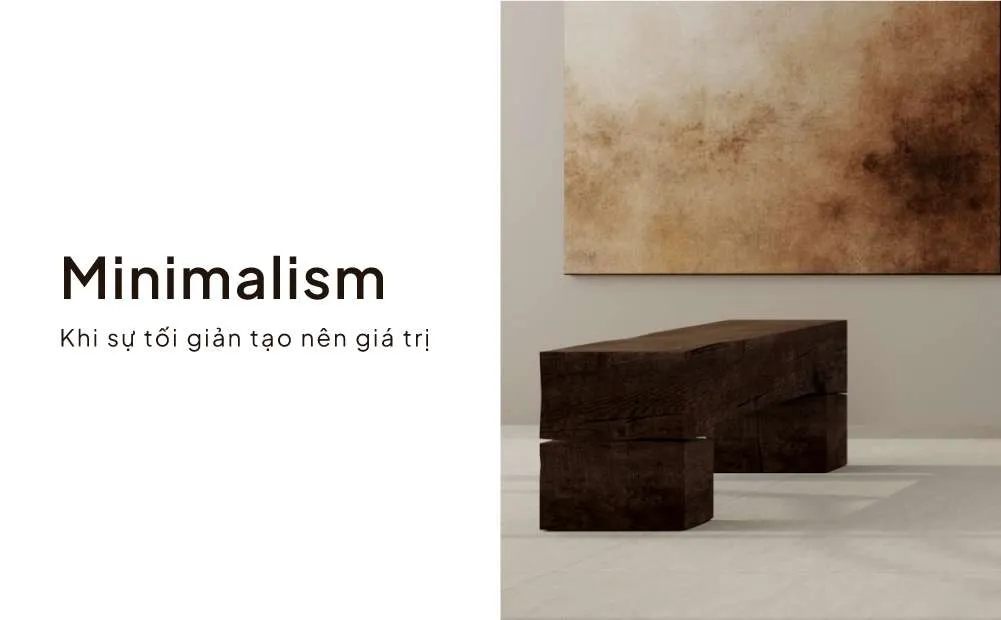
MINIMALISM: WHEN SIMPLICITY CREATES VALUE
In modern life, as people increasingly value balance and quality of living, Minimalism has become one of the most favored interior design styles. Rather than focusing on elaborate forms, Minimalism emphasizes simplicity, functionality, and essential breathing space to create a living environment that feels light, calm, and full of depth.
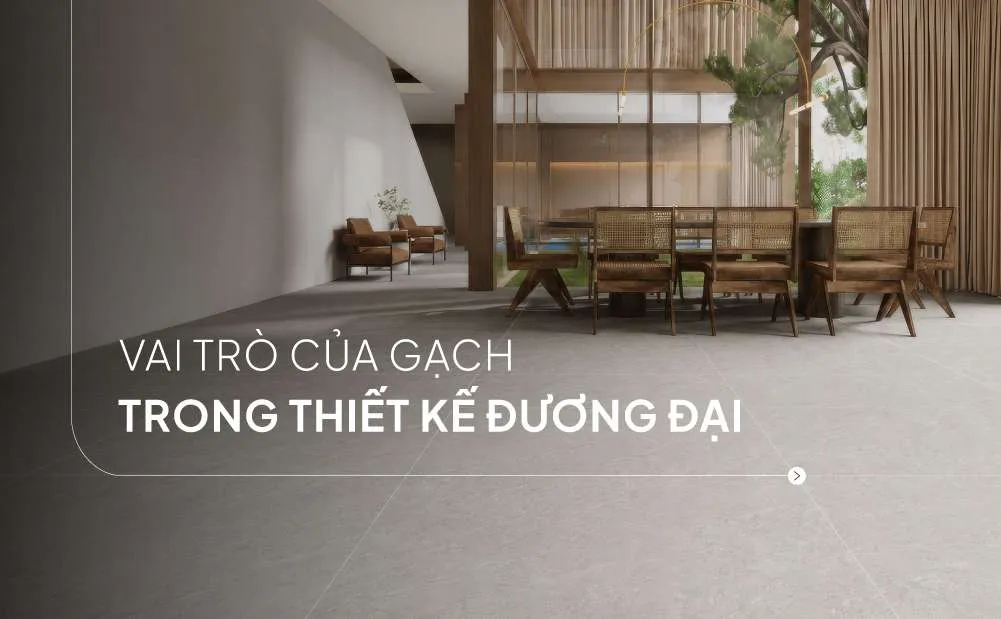
THE ROLE OF TILES IN CONTEMPORARY DESIGN
The Contemporary style allows architects and designers to flexibly combine modern lines, materials, colors, and forms to create spaces that reflect the spirit of each project. Within this overall approach, tiles are not simply a surface finishing material. With a diverse range of colors, sizes, textures, and visual effects, tiles have become an important element in shaping architectural language and creating a distinctive identity for contemporary spaces.
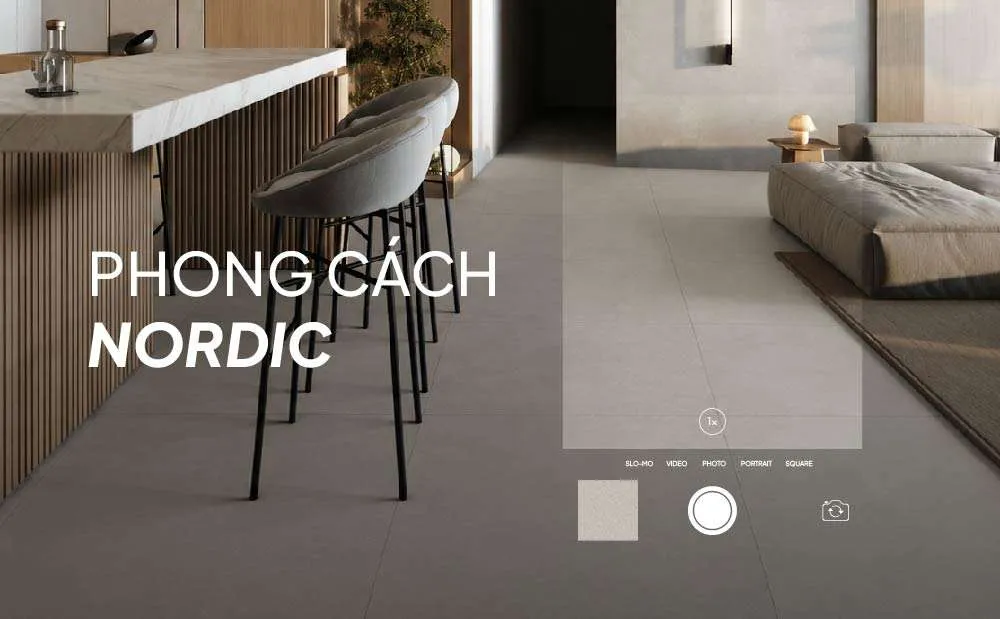
NORDIC STYLE AND TILE SELECTION TRENDS
In recent years, Nordic (Scandinavian) style has become one of the most popular interior design trends thanks to its minimalist aesthetic, refined simplicity, and strong connection to nature. Beyond furniture and wall colors, choosing the right wall and floor tiles plays an essential role in creating a harmonious, bright, and timeless living space.
THE ROLE OF ROOF TILES IN THERMAL INSULATION AND HEAT REDUCTION FOR BUILDINGS
The roof is the part of a building that is directly exposed to sunlight, making it a major factor affecting indoor temperatures. Choosing the right roofing tiles not only enhances the aesthetic appeal of a building but also contributes to effective thermal insulation and heat reduction, creating a cooler and more energy-efficient living environment.