THE ROLE OF TILES IN CONTEMPORARY DESIGN
The Contemporary style allows architects and designers to flexibly combine modern lines, materials, colors, and forms to create spaces that reflect the spirit of each project. Within this overall approach, tiles are not simply a surface finishing material. With a diverse range of colors, sizes, textures, and visual effects, tiles have become an important element in shaping architectural language and creating a distinctive identity for contemporary spaces.
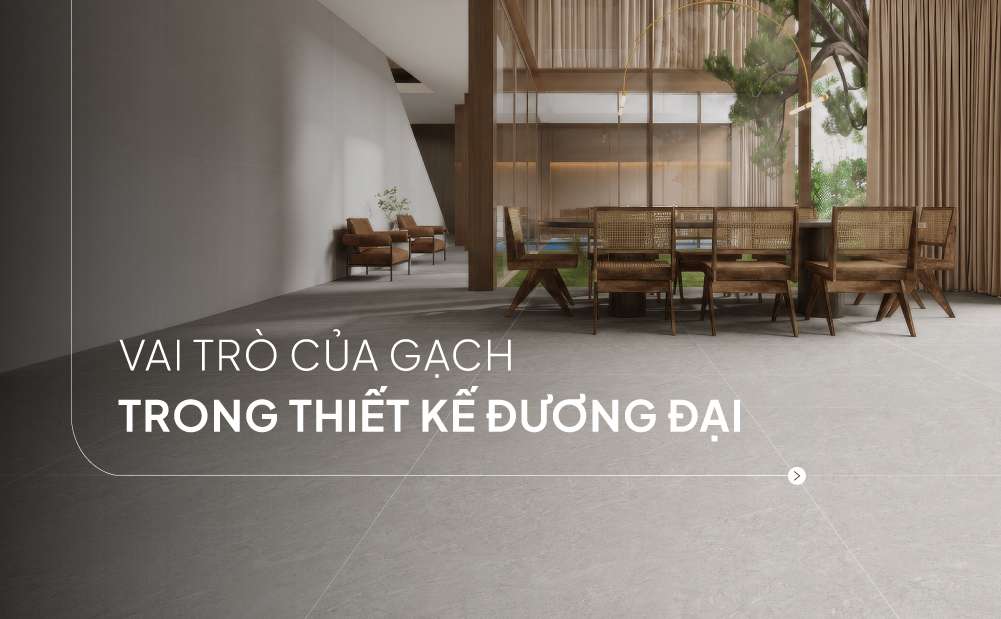
What Is Contemporary Style?
Contemporary, also known as Contemporary Design, is a style that emphasizes simplicity, balance, and flexibility in functionality. In addition, this style is not limited by a fixed formula. It allows architects to harmoniously combine different materials and colors, creating distinctive highlights for each project. Unlike Modern style, which generally follows a relatively clear set of characteristics, Contemporary offers greater flexibility and can continuously evolve according to trends, context, and the needs of homeowners.
Some of the characteristics of Contemporary style include:
- Clean lines and clearly defined forms.
- A preference for simplicity without being monotonous.
- The use of neutral color palettes and carefully controlled tones.
- An emphasis on natural light, open space, and spatial proportions.
- Flexible combinations of materials such as wood, stone, metal, glass, concrete, and tiles.
- A focus on harmony between aesthetics and functionality.
Because of these characteristics, materials play a particularly important role in Contemporary style. Every choice of surface, color, or size can influence the overall perception of a space.
Tiles: A Material That Helps Define the Design Language
In Contemporary design, tiles can be used as a visual foundation while also creating rhythm and connecting different material elements within a space.
Creating a Harmonious Visual Foundation
Tiles in neutral colors, with natural surfaces and understated patterns, are often chosen to create a harmonious foundation for architecture and interior design.
Shades such as white, beige, gray, greige, and colors inspired by stone and concrete help maintain a clean and elegant appearance. When serving as a background element, tiles do not need to become the main focal point. Instead, they help highlight architectural lines, furniture, and lighting.
This is also one of the important characteristics of using floor and wall tiles in Contemporary design: materials are selected intentionally while maintaining balance within the overall composition.
Creating Rhythm and Proportion in a Space
Tile size, laying direction, grout lines, and installation patterns can directly influence the perception of spatial proportions.
Large format tiles with fewer grout lines make the surface appear more seamless, creating a more spacious and refined feeling. Meanwhile, different tile layouts can create visual rhythm, helping to divide or emphasize a particular area.
Therefore, tile selection is not limited to color or pattern. The way tiles are arranged is also an important factor in completing the overall design concept.
Connecting Different Materials
A Contemporary space often incorporates more than one type of material. The combination of tiles, wood, stone, metal, glass, and concrete creates contrasts in color, texture, and surface character.
Stone effect tiles can be combined with wood to create a balance between natural warmth and modernity. Concrete effect tiles can be paired with metal or glass to create a strong and minimalist space. Meanwhile, tiles with distinctive colors or patterns can be selectively used to create focal points.
Applying Tiles in the Spirit of Contemporary Design
In Contemporary design, tile selection should aim to create an overall space that feels cohesive, balanced, and intentional. Depending on the characteristics of each space, tiles can be applied in many different ways.
Large Format Tiles for a Refined Space
Large format tiles are a suitable choice for spaces that embrace a minimalist aesthetic. Their large surface area, combined with carefully controlled grout lines, helps create a more seamless appearance.
This approach is particularly suitable for living rooms, entrance halls, commercial areas, or larger spaces where the material surface can become part of the architectural language.
Stone Effect Tiles for a Natural and Elegant Look
Stone effect tiles bring a natural feel while still reflecting the simplicity of Contemporary design. Subtle veining combined with neutral tones can create a sophisticated material backdrop without overpowering the interior. This is a popular choice for floors, walls, living rooms, bathrooms, and many other architectural spaces.
Concrete Effect Tiles with a Modern Minimalist Spirit
Concrete effect surfaces are suitable for projects that aim for a raw, strong, and modern aesthetic. Gray, greige, and other neutral concrete inspired tones can be combined with wood, black metal, glass, or furniture with simple lines to create a distinct Contemporary look.
Colored and Patterned Tiles as Focal Points
Contemporary does not mean that every detail has to be neutral. A tile with a distinctive color, pattern, or surface can become a focal point when used in the right proportion.
Instead of covering the entire space, accent tiles can be applied to a feature wall, kitchen area, bathroom, bar, or a specific architectural detail. This selective approach allows the space to maintain its simplicity while still expressing its own character.
Factors to Consider When Choosing Tiles for Contemporary Style
To ensure that materials truly integrate with the language of Contemporary design, homeowners should consider several factors rather than choosing tiles based only on color.
Tile Size and Format: Tile format should be considered based on the size, proportions, and intended use of the space.
Surface and Material Effects: The tile surface should be in harmony with the overall material palette. Stone effect tiles, concrete effect tiles, solid color surfaces, and other natural inspired finishes can all suit Contemporary design when selected appropriately for the context.
Grout Lines and Installation Methods: Grout lines are a small detail but can have a significant impact on how the surface is perceived. Grout color, joint width, and tile layout should be considered from the design stage to ensure consistency throughout the overall composition.
Relationship with Interior Elements: Tiles should not be selected separately from the furniture and interior elements. Their colors, textures, and visual character should be connected with furniture, cabinetry, doors, lighting, and other materials used throughout the project.
In Contemporary design, tiles are increasingly regarded as an integral part of architectural language rather than simply a finishing material. From color, tile format, and surface texture to layout and installation, each element contributes to the visual foundation, rhythm, and connection between different materials.
When carefully selected and appropriately applied, tiles can make Contemporary spaces feel more refined, balanced, flexible, and distinctive.
Related posts
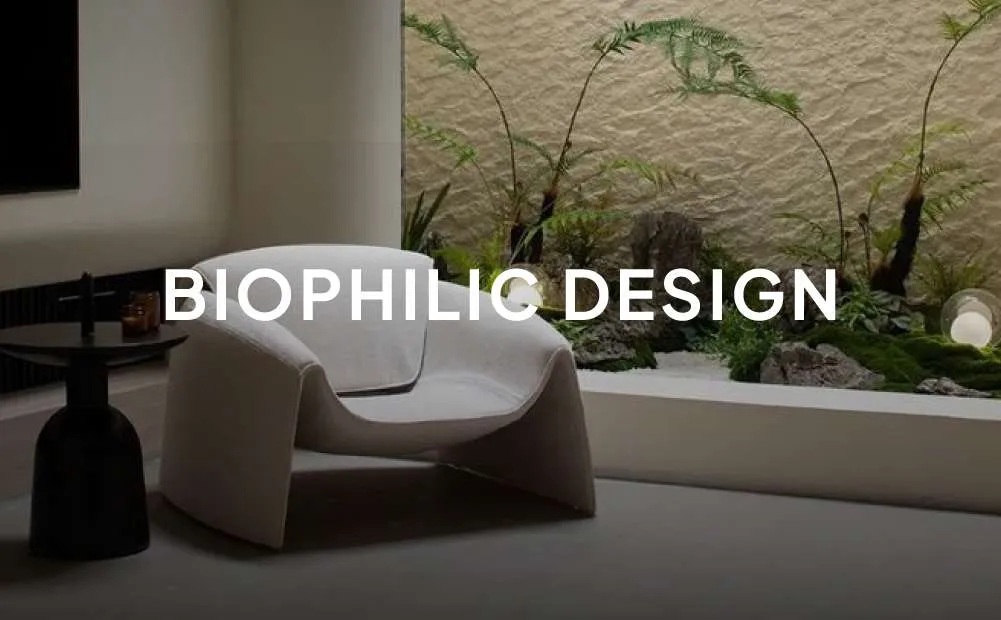
BIOPHILIC DESIGN: A DESIGN TREND THAT BRINGS NATURE INTO LIVING SPACES
In modern architecture and interior design, the trend of bringing nature into living spaces is receiving increasing attention as people spend most of their time in buildings and urban areas. Designers seek to make light, greenery, materials, forms, and experiences of nature a part of architecture.
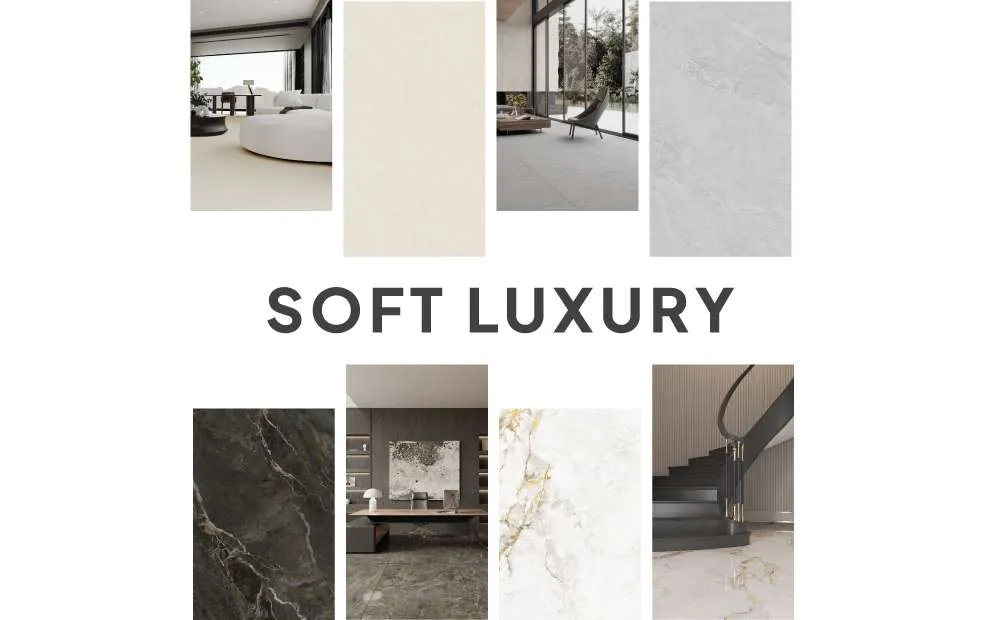
SOFT LUXURY: WHEN REFINEMENT BECOMES A WAY OF LIFE
Luxury in modern interior design is no longer measured by ostentation or conspicuously expensive details. Instead, it is being redefined through a sense of tranquility, harmony, and the depth of materials. Soft Luxury emerges from this very shift: a design philosophy in which beauty does not need to speak loudly, but is gradually revealed through every surface, every interplay of light, and every everyday living experience.
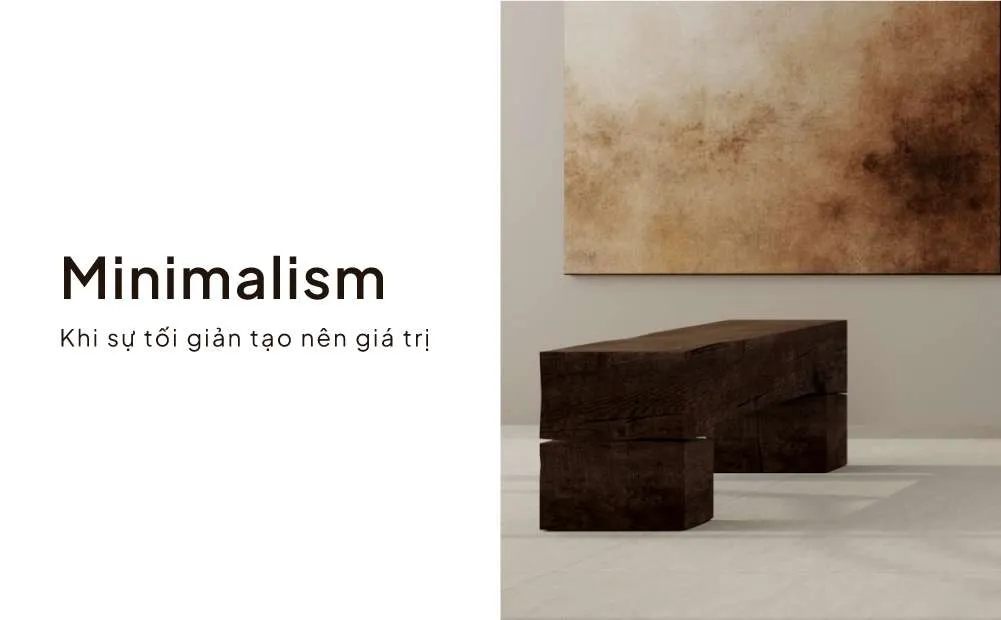
MINIMALISM: WHEN SIMPLICITY CREATES VALUE
In modern life, as people increasingly value balance and quality of living, Minimalism has become one of the most favored interior design styles. Rather than focusing on elaborate forms, Minimalism emphasizes simplicity, functionality, and essential breathing space to create a living environment that feels light, calm, and full of depth.
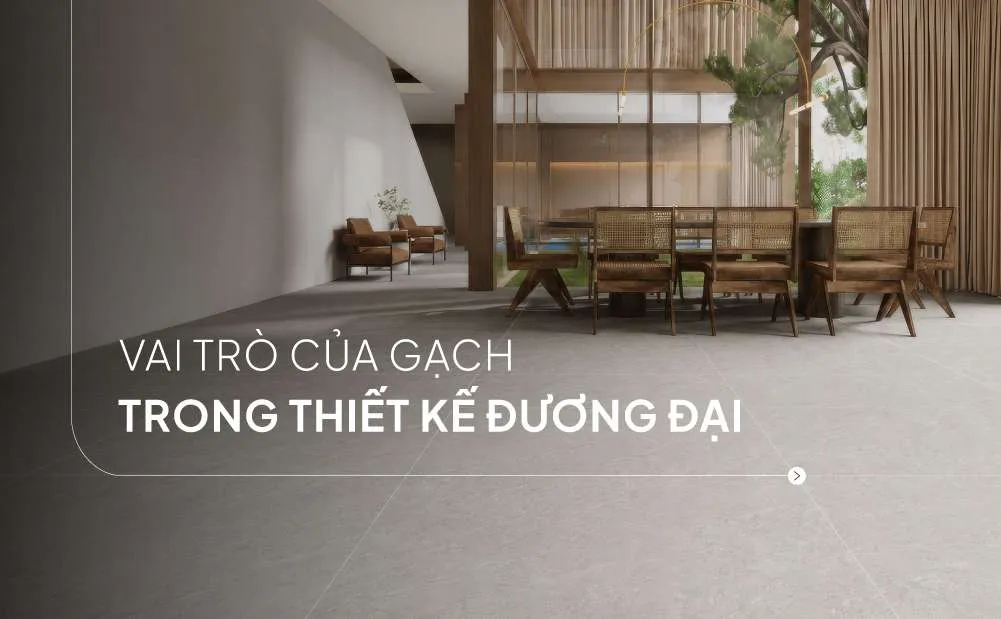
THE ROLE OF TILES IN CONTEMPORARY DESIGN
The Contemporary style allows architects and designers to flexibly combine modern lines, materials, colors, and forms to create spaces that reflect the spirit of each project. Within this overall approach, tiles are not simply a surface finishing material. With a diverse range of colors, sizes, textures, and visual effects, tiles have become an important element in shaping architectural language and creating a distinctive identity for contemporary spaces.
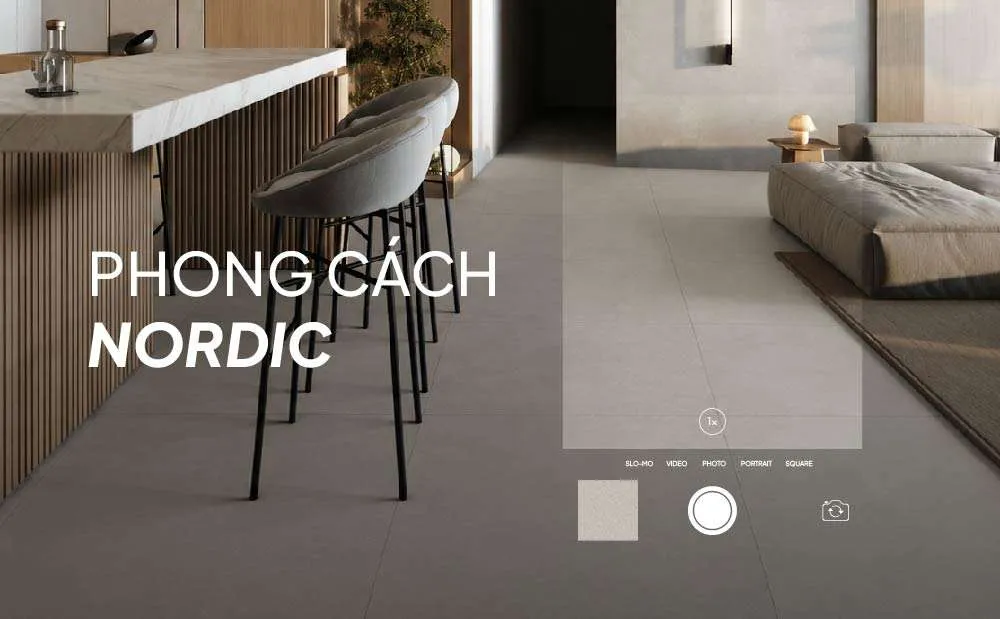
NORDIC STYLE AND TILE SELECTION TRENDS
In recent years, Nordic (Scandinavian) style has become one of the most popular interior design trends thanks to its minimalist aesthetic, refined simplicity, and strong connection to nature. Beyond furniture and wall colors, choosing the right wall and floor tiles plays an essential role in creating a harmonious, bright, and timeless living space.
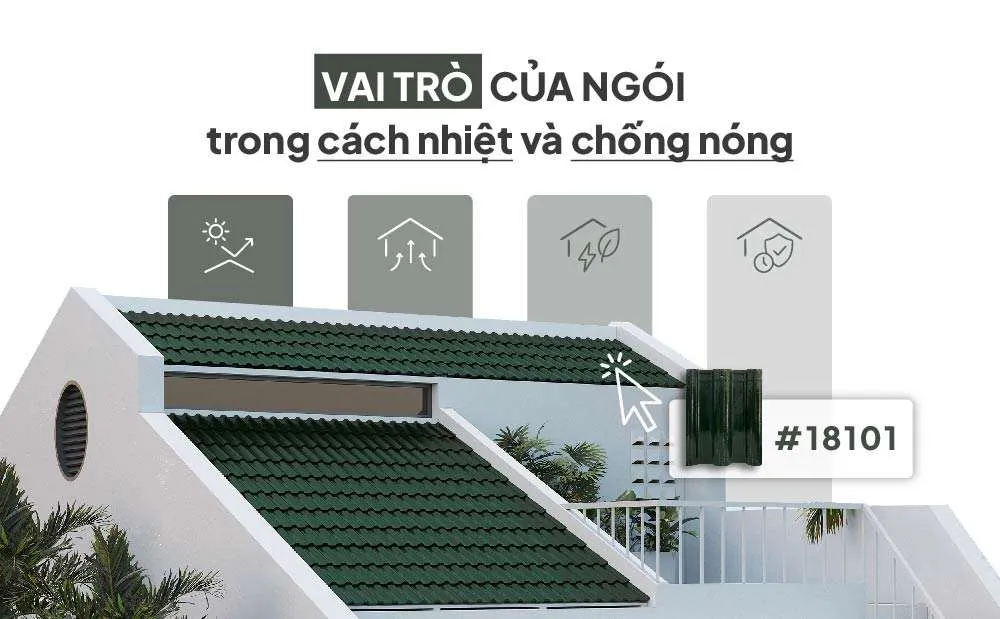
THE ROLE OF ROOF TILES IN THERMAL INSULATION AND HEAT REDUCTION FOR BUILDINGS
The roof is the part of a building that is directly exposed to sunlight, making it a major factor affecting indoor temperatures. Choosing the right roofing tiles not only enhances the aesthetic appeal of a building but also contributes to effective thermal insulation and heat reduction, creating a cooler and more energy-efficient living environment.