BIOPHILIC DESIGN: A DESIGN TREND THAT BRINGS NATURE INTO LIVING SPACES
In modern architecture and interior design, the trend of bringing nature into living spaces is receiving increasing attention as people spend most of their time in buildings and urban areas. Designers seek to make light, greenery, materials, forms, and experiences of nature a part of architecture.
What is Biophilic Design?
Biophilic Design is a design approach aimed at strengthening the connection between people and nature in living and working environments. This concept does not simply mean “bringing greenery into the home.” A Biophilic space can create a connection with nature through many different elements: from natural light, ventilation, water features, and gardens to colors, materials, forms, and sensory experiences that evoke the natural world.
The goal of Biophilic Design is to create an environment where people can see, feel, and interact with natural elements in their daily lives. Therefore, Biophilic Design should be understood more as a design philosophy rather than simply an aesthetic style.
Why is Biophilic Design receiving increasing attention?
The rapid development of cities has caused living spaces to become increasingly limited by concrete, glass, and buildings. Meanwhile, people still have a natural need for light, air, greenery, and contact with the outside environment. Biophilic Design seeks to address this gap by bringing nature closer to everyday life.
A space designed according to a Biophilic approach can create a sense of openness, relaxation, and closeness, while also providing a more diverse experience through changes in light, shadows, plants, wind, water, and materials.
This is also why Biophilic Design is increasingly appearing in many types of buildings, from houses, apartments, and offices to hotels, resorts, and public buildings.
Key Characteristics of Biophilic Design
Direct Connection with Nature
This is one of the most recognizable expressions of Biophilic Design. Greenery, water features, gardens, landscaping, or open spaces are directly incorporated into the space so that people can see and interact with nature.
In residential spaces, this connection can be created through a small garden, courtyard, balcony with abundant greenery, or green spaces located between functional areas. At a larger architectural scale, buildings can incorporate gardens, ponds, or surrounding landscapes to create a continuous relationship between people and the natural environment. The important point is not the amount of greenery, but how nature is integrated into the spatial experience.
Making Use of Natural Light and Air
Natural light is an important component of Biophilic Design. Large windows, skylights, double height spaces, or open areas allow natural light to penetrate deeper into a building. As a result, the space can change throughout the day, creating the natural movement of light and shadows.
In addition to light, natural ventilation also plays an important role. Properly arranging openings, double height spaces, and airflow paths can help the space connect better with the outside environment. Instead of creating a space that is completely separated from nature, architecture allows people to perceive changes in sunlight, wind, temperature, and time.
Using Colors and Materials that Evoke a Natural Feeling
Biophilic Design does not necessarily require greenery everywhere. A connection with nature can also be created through colors, materials, patterns, and surfaces. Colors inspired by nature, such as green, earth brown, beige, sand, stone gray, or different shades of wood, are often used to create a sense of closeness.
In terms of materials, wood, stone, brick, bamboo, rattan, or materials with natural surfaces and patterns can make a space feel softer and more emotionally engaging. In particular, materials with natural grains, textures, or surfaces can create visual and tactile experiences even without direct natural elements.
Creating a Transition Between Indoor and Outdoor Spaces
Another important characteristic of Biophilic Design is blurring the boundary between interior spaces and the outdoor environment. Instead of enclosing a building, the design can create transitional areas such as: Porches, balconies, courtyards, loggias, double height spaces, and semi outdoor areas. These spaces create a buffer zone between the interior and nature, giving people more ways to connect with the outdoor environment.
Bringing Natural Forms and Patterns into Design
Nature is rarely formed from perfectly regular straight lines. Therefore, Biophilic Design sometimes uses forms that evoke nature, such as curves, organic shapes, simulations of leaves, flowing water, terrain, or natural structures. These forms can appear in architecture, interiors, decorative objects, or on material surfaces.
However, natural elements do not necessarily have to be directly imitated. Just a gentle curve, a surface with natural texture, or a change in light can create a softer and more intimate feeling.
Tiles in Biophilic Design
In Biophilic spaces, tiles can play a role in connecting architecture with nature through colors, surfaces, and material effects.
Tile collections inspired by natural stone, wood, earth, or mineral surfaces can help create a sense of closeness to the natural environment while maintaining a cohesive and modern appearance for the building.
When choosing tiles for a Biophilic space, the following can be considered:
Natural Colors:
Earth tones, beige, brown, stone gray, or soft shades of green can help the overall design harmonize better with greenery and the surrounding landscape.
Surfaces with Depth:
Surfaces that imitate stone, wood, or natural materials help enhance the visual experience and create a more realistic feeling.
Continuity Between Indoor and Outdoor Spaces:
Using materials that create a visual connection between interior and exterior areas can help soften the boundary between the two spaces.
Harmony with Light:
Tile surfaces interacting with natural light can create changes in tones and shadows throughout the day, contributing to greater depth in the space.
It is important to note that tiles do not necessarily have to become a prominent focal point. In Biophilic Design, materials can serve as a foundation that allows greenery, light, and landscape to become the prominent elements of the space.
How to Apply Biophilic Design to Living Spaces?
There is no need to build a large garden or completely change the architecture to bring the Biophilic spirit into a home. Homeowners can start with simple measures such as:
Enhancing Natural Light
Making use of windows, balconies, skylights, or open areas to bring natural light deeper into the space.
Placing Greenery in Suitable Locations
Instead of placing plants randomly, greenery can be arranged in areas that are frequently used or where suitable lighting conditions are available.
Using Nature Inspired Materials
Wood, stone, tiles with natural effects, and materials with richly textured surfaces can help make a space feel closer to nature.
Maintaining a Balanced Design
Biophilic Design does not mean that the more plants there are, the better. Too many elements can also make a space feel visually cluttered. The important thing is to create a balance between architecture, greenery, light, materials, and empty space. Biophilic Design is not simply about “bringing greenery into the home,” but its important difference lies in the fact that it does not view nature as a decorative element added at the end. Instead, nature is considered from the process of organizing the space: sunlight direction, wind direction, views, landscape, materials, lighting, and transitions between areas.
A potted plant placed in a room can make the space greener. But a window opening onto a garden, a skylight bringing light down, a courtyard providing ventilation, or a material system evoking the feeling of stone and wood can create a deeper experience of connection with nature. That is the core spirit of Biophilic Design.
Biophilic Design is therefore not merely an aesthetic trend. It is a way of thinking about how people live with space, where architecture and nature do not exist as two separate worlds but can coexist, interact, and complement each other.
Related posts
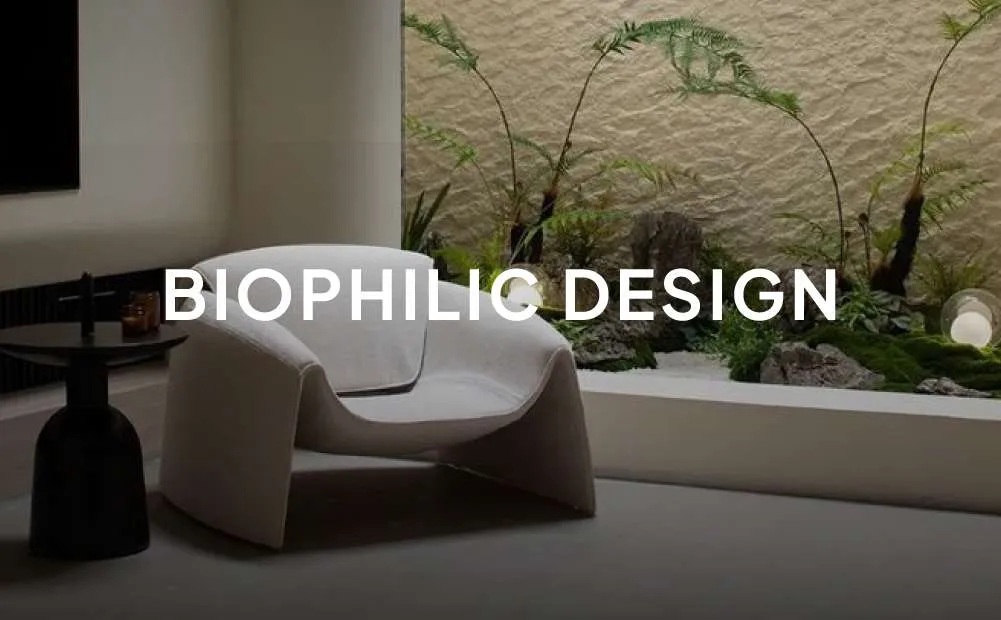
BIOPHILIC DESIGN: A DESIGN TREND THAT BRINGS NATURE INTO LIVING SPACES
In modern architecture and interior design, the trend of bringing nature into living spaces is receiving increasing attention as people spend most of their time in buildings and urban areas. Designers seek to make light, greenery, materials, forms, and experiences of nature a part of architecture.
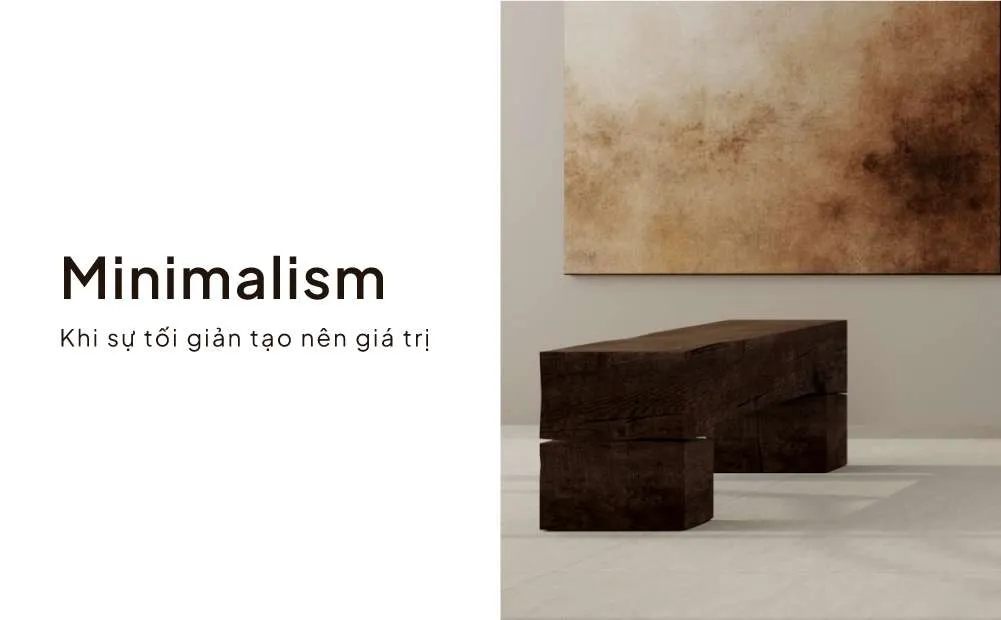
MINIMALISM: WHEN SIMPLICITY CREATES VALUE
In modern life, as people increasingly value balance and quality of living, Minimalism has become one of the most favored interior design styles. Rather than focusing on elaborate forms, Minimalism emphasizes simplicity, functionality, and essential breathing space to create a living environment that feels light, calm, and full of depth.
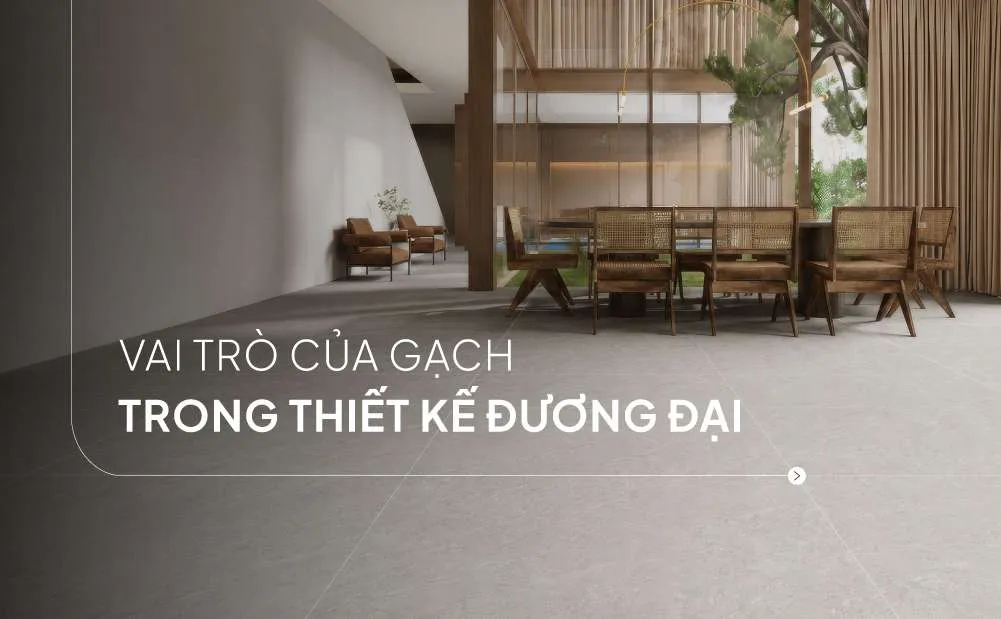
THE ROLE OF TILES IN CONTEMPORARY DESIGN
The Contemporary style allows architects and designers to flexibly combine modern lines, materials, colors, and forms to create spaces that reflect the spirit of each project. Within this overall approach, tiles are not simply a surface finishing material. With a diverse range of colors, sizes, textures, and visual effects, tiles have become an important element in shaping architectural language and creating a distinctive identity for contemporary spaces.
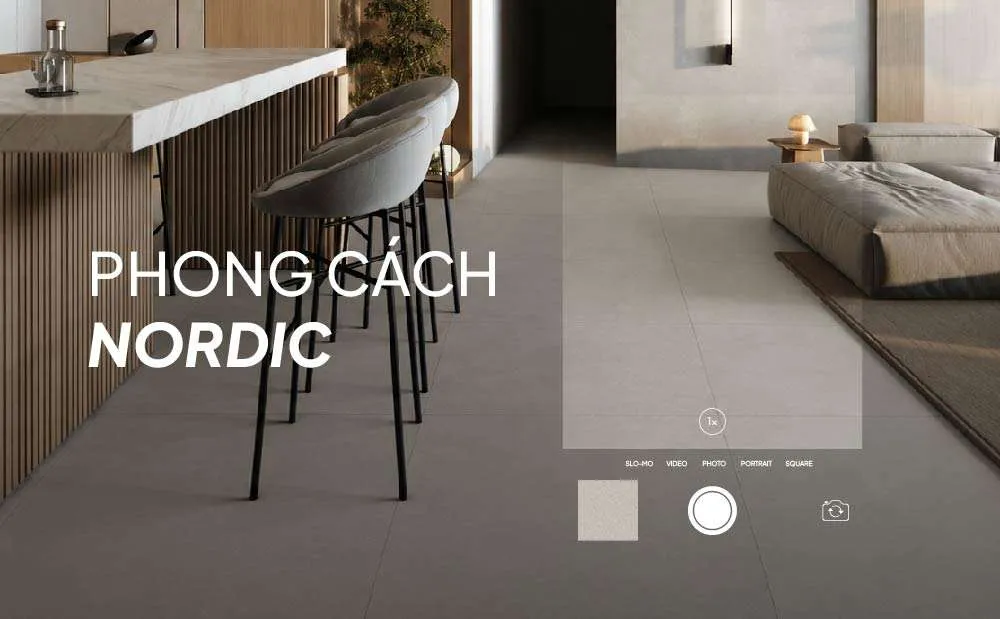
NORDIC STYLE AND TILE SELECTION TRENDS
In recent years, Nordic (Scandinavian) style has become one of the most popular interior design trends thanks to its minimalist aesthetic, refined simplicity, and strong connection to nature. Beyond furniture and wall colors, choosing the right wall and floor tiles plays an essential role in creating a harmonious, bright, and timeless living space.
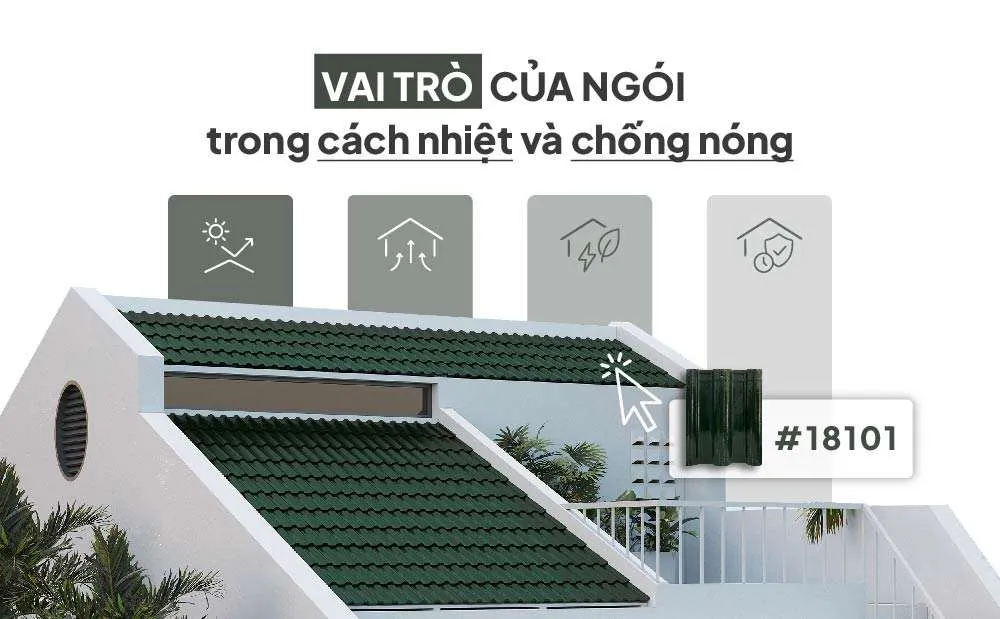
THE ROLE OF ROOF TILES IN THERMAL INSULATION AND HEAT REDUCTION FOR BUILDINGS
The roof is the part of a building that is directly exposed to sunlight, making it a major factor affecting indoor temperatures. Choosing the right roofing tiles not only enhances the aesthetic appeal of a building but also contributes to effective thermal insulation and heat reduction, creating a cooler and more energy-efficient living environment.
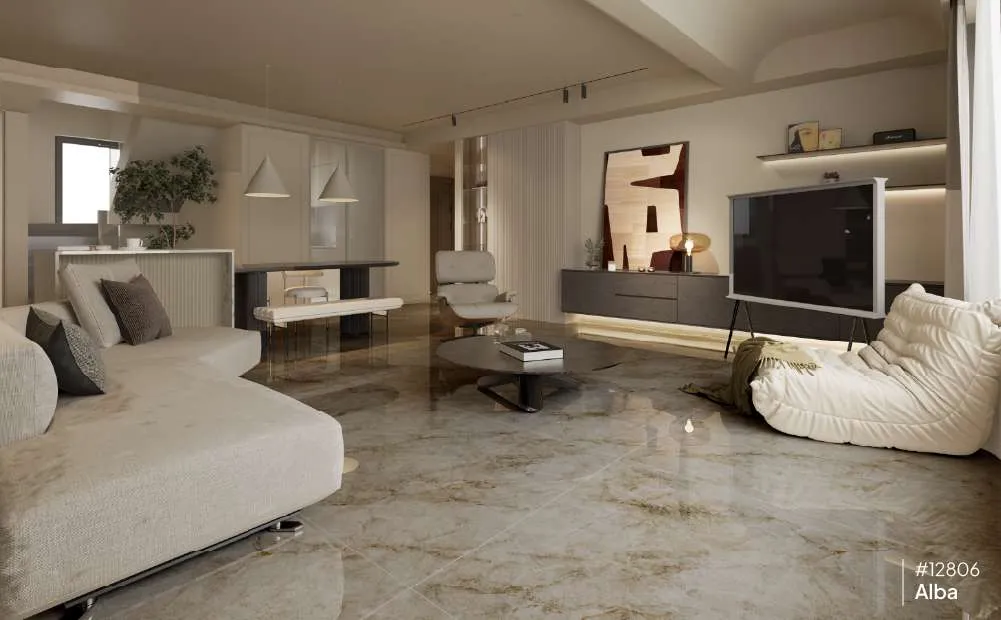
WHAT MAKES A HIGH-QUALITY BUILDING?
A beautiful building is not defined solely by its striking appearance or the latest design trends. Its true value lies in the balance between aesthetics, functionality, and long-term durability. From the initial design concept and construction quality to the selection of finishing materials, every element plays a vital role in creating a living space that is both beautiful and built to last.