5 NOTABLE ARCHITECTURAL TRENDS IN INTERIOR DESIGN 2026
From architectural lines to every material surface, each detail contributes to shaping a distinctive aesthetic language. As 2026 draws to a close, interior design is increasingly embracing natural beauty, visual continuity, and multi-sensory experiences. Join Catalan in exploring five notable design languages!
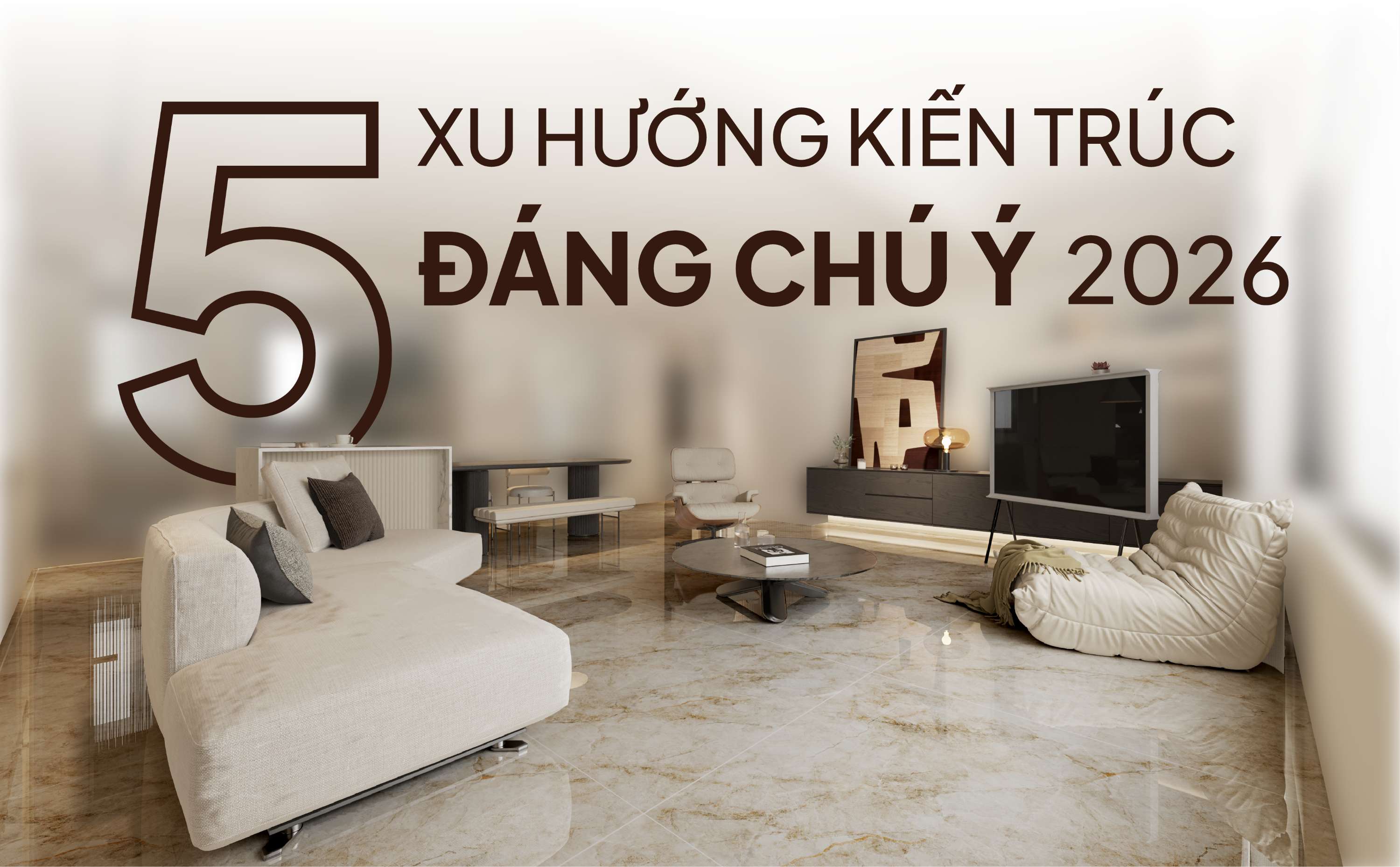
Interior design in 2026 reflects a shift in the way people perceive and create living spaces. Rather than focusing solely on appearance, architectural trends increasingly emphasize the harmony between aesthetics, functionality, emotion, and material experience.
From nature-inspired forms and the understated beauty of luxury to the expression of individuality through material surfaces, each style introduces its own distinctive design language. Join Catalan in exploring five notable architectural trends in interior design for 2026 and how to select tiles to bring the essence of each style to life.
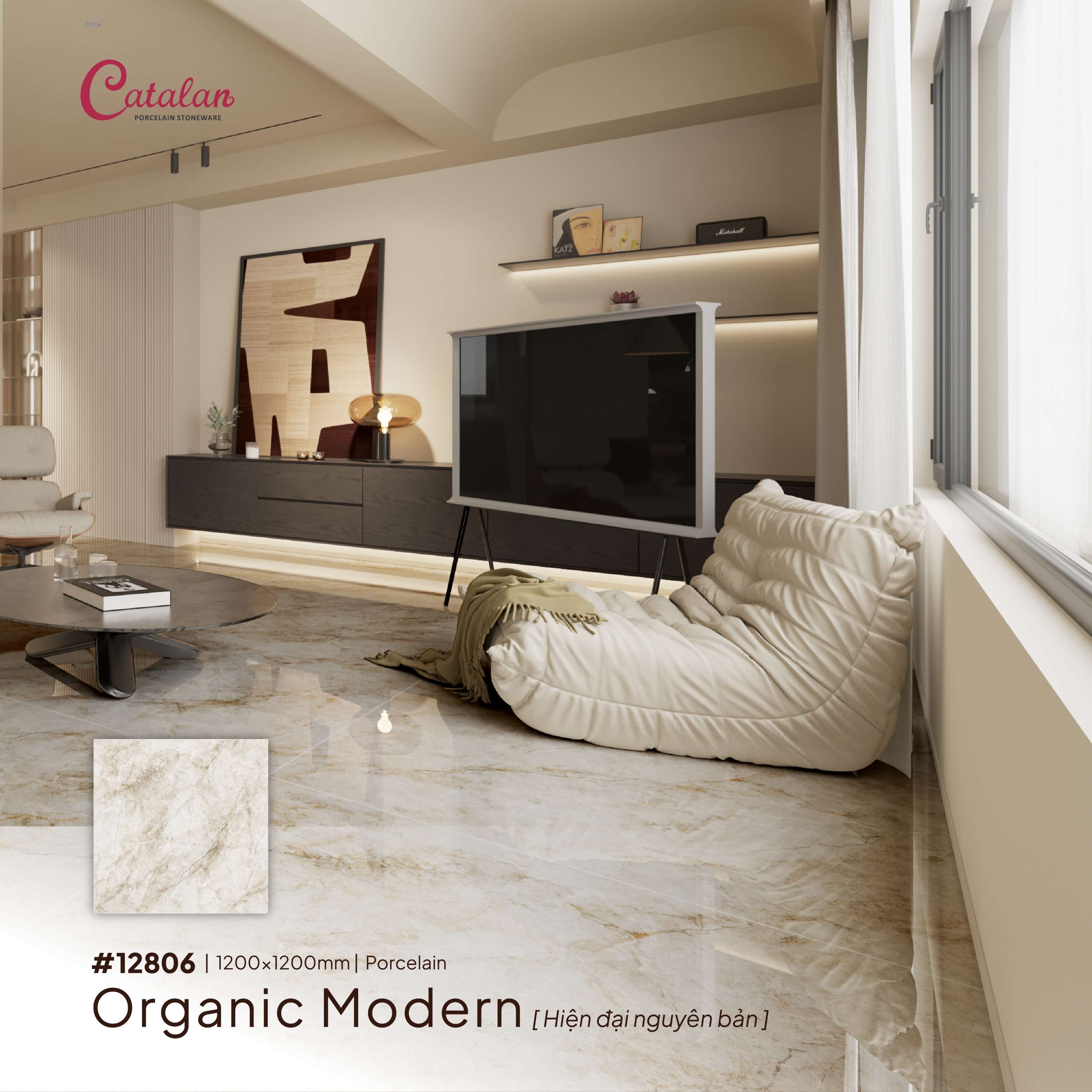
Organic Modern – Natural Modernity
Organic Modern is a style that combines a contemporary design spirit with elements inspired by nature. Moving away from rigid geometric lines, this trend embraces softer forms, fluid curves, organic shapes, and the raw beauty of stone and minerals within contemporary spaces.
In Organic Modern interiors, materials play an essential role in creating a sense of connection with nature. Stone-look and mineral-inspired tiles, combined with neutral tones such as beige, cream, light grey, and earthy brown, subtly recreate the beauty of the natural world while maintaining the refined character of modern architecture.
Suggested applications: Living rooms, bedrooms, or shared living areas featuring a neutral color palette, curved furniture, and materials with natural character.
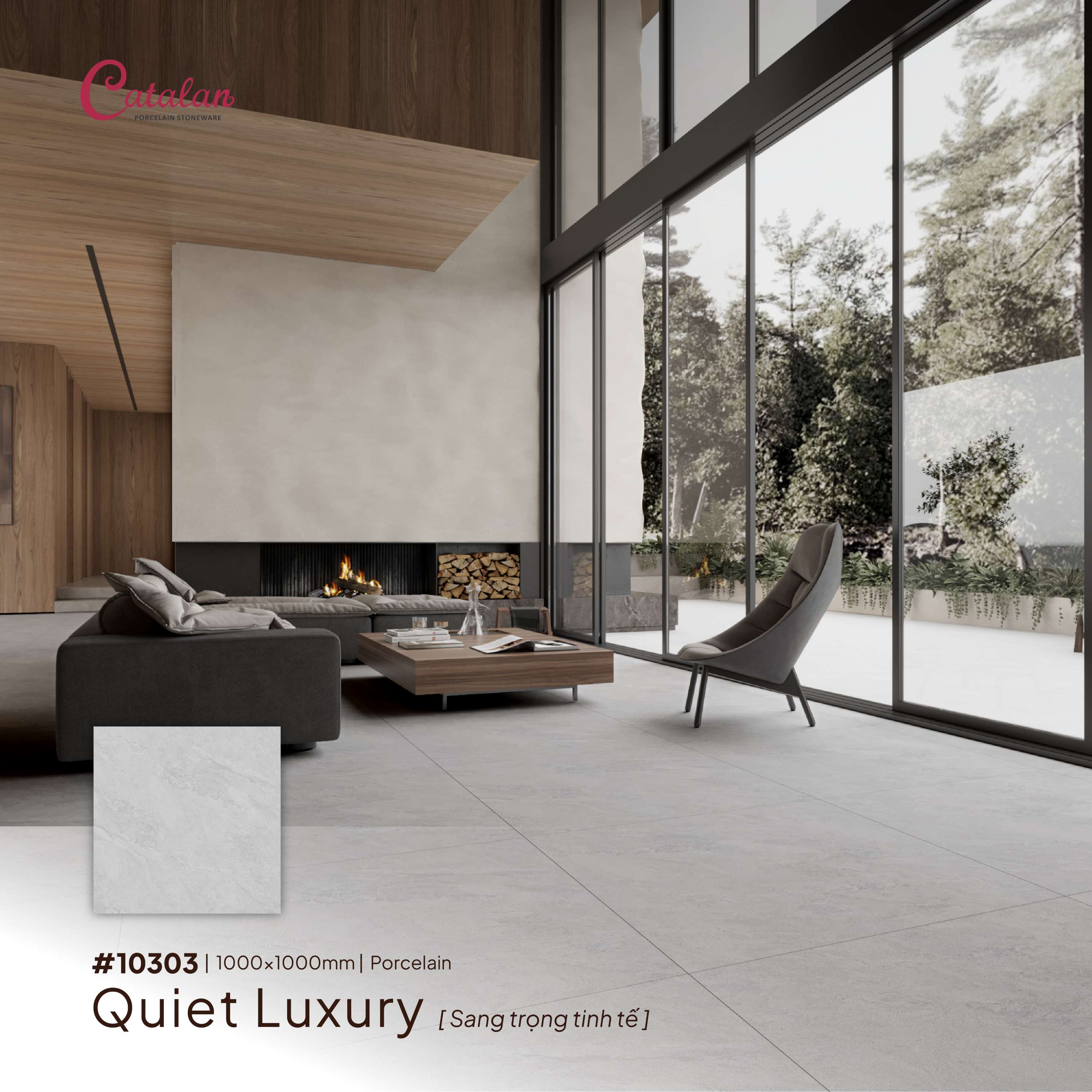
Quiet Luxury – Understated Elegance
Quiet Luxury celebrates lasting value and understated beauty. Luxury is not defined by elaborate decorative details but expressed through refined surfaces, elegant veining, and harmony in every detail.
The color palette typically revolves around ivory, beige, cream, grey, and natural tones. Among these, marble-look tiles with elegant veining and visually rich surfaces help create a sense of sophistication while maintaining an overall sense of balance.
Suggested applications: Entrance halls, living rooms, bathrooms, or areas where aesthetic impact is created through material selection and design proportions.
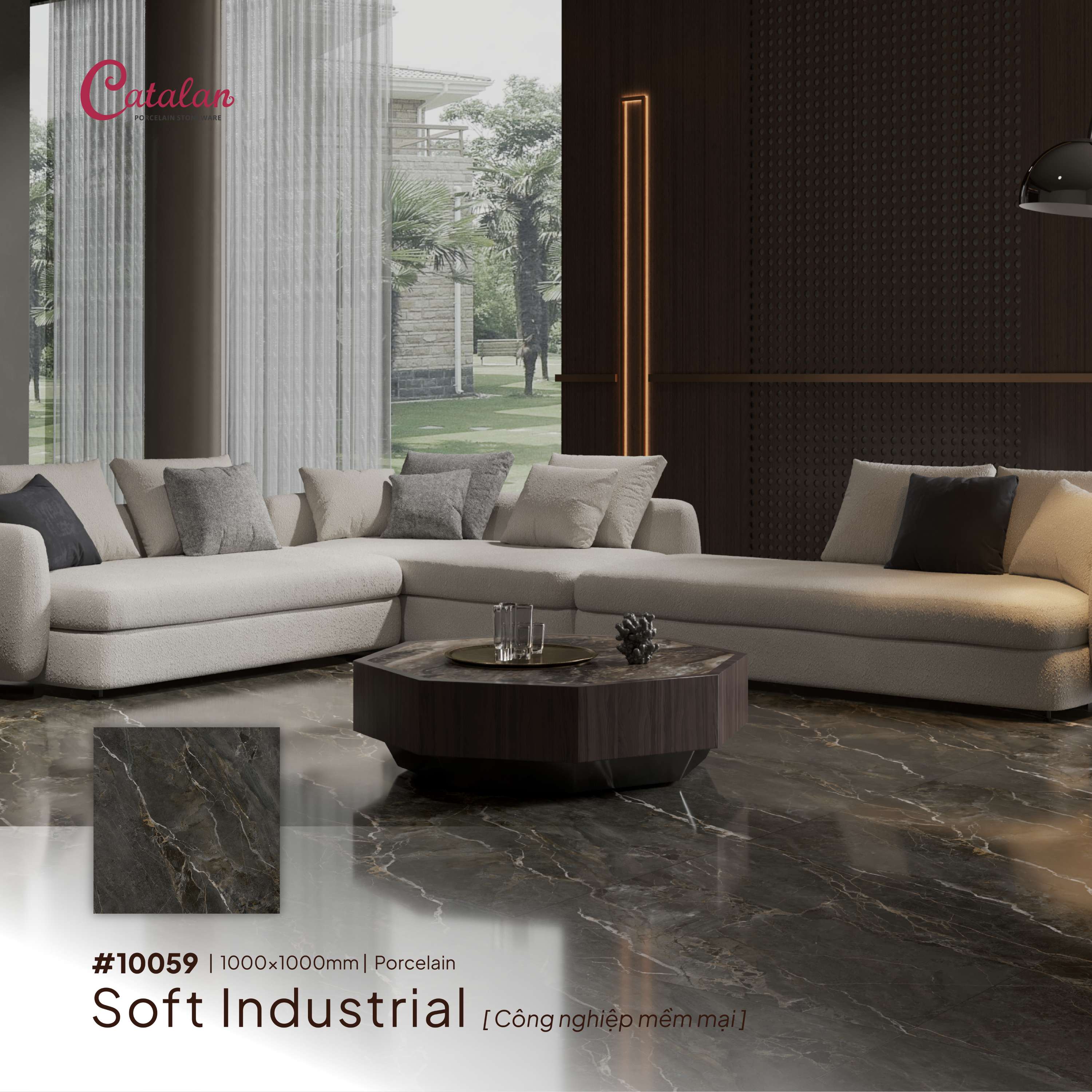
Soft Industrial – Refined Industrial Style
Soft Industrial offers a gentler interpretation of traditional industrial design. By combining the raw character of concrete effects, neutral tones, and warm materials, this style creates spaces that feel contemporary yet welcoming.
Rather than relying on large expanses of dark concrete or heavily textured surfaces, Soft Industrial favors shades of grey, charcoal, beige, and cement-inspired finishes with visual depth. The combination of cement-look tiles, wooden furniture, and metallic accents creates a modern, distinctive aesthetic without making the space feel visually heavy.
Suggested applications: Modern apartments, workspaces, living rooms, or shared living areas with a minimalist yet distinctive character.
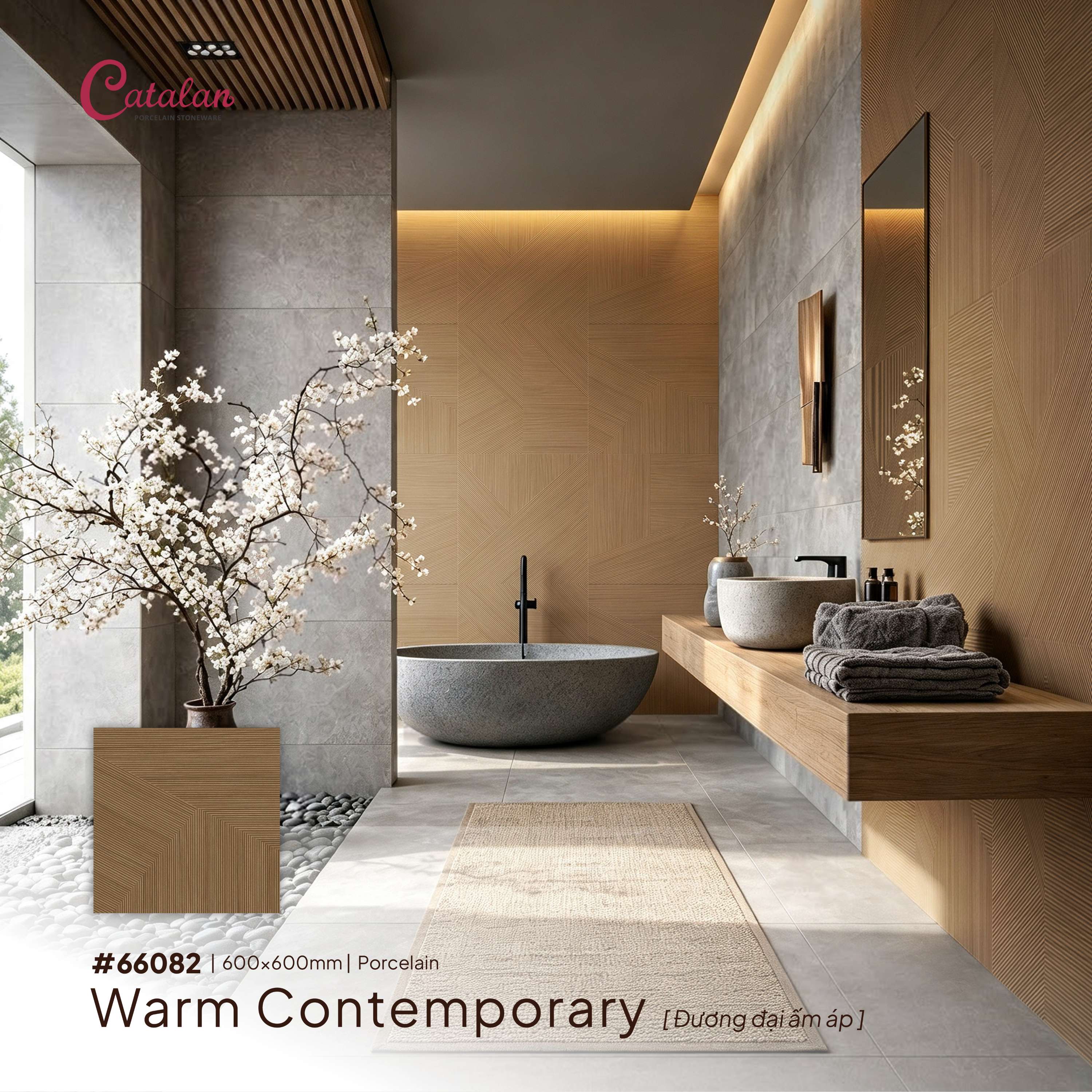
Warm Contemporary – Warm Contemporary Style
Warm Contemporary combines modern design language with a sense of familiarity and comfort in living spaces. This style draws on earthy tones, wood textures, and nature-inspired elements to create interiors that are minimalist, inviting, and rich in connection.
In this style, tiles serve not only as finishing materials for floors and walls but also as elements that connect different functional areas. The harmonious transition between colors and materials creates a cohesive home while preserving the distinctive character of each space.
Suggested applications: Dining rooms, bedrooms, and bathrooms – spaces that prioritize comfort, relaxation, and rejuvenation while maintaining a contemporary aesthetic.
Artistic Surface – Artistic Expression Through Surfaces
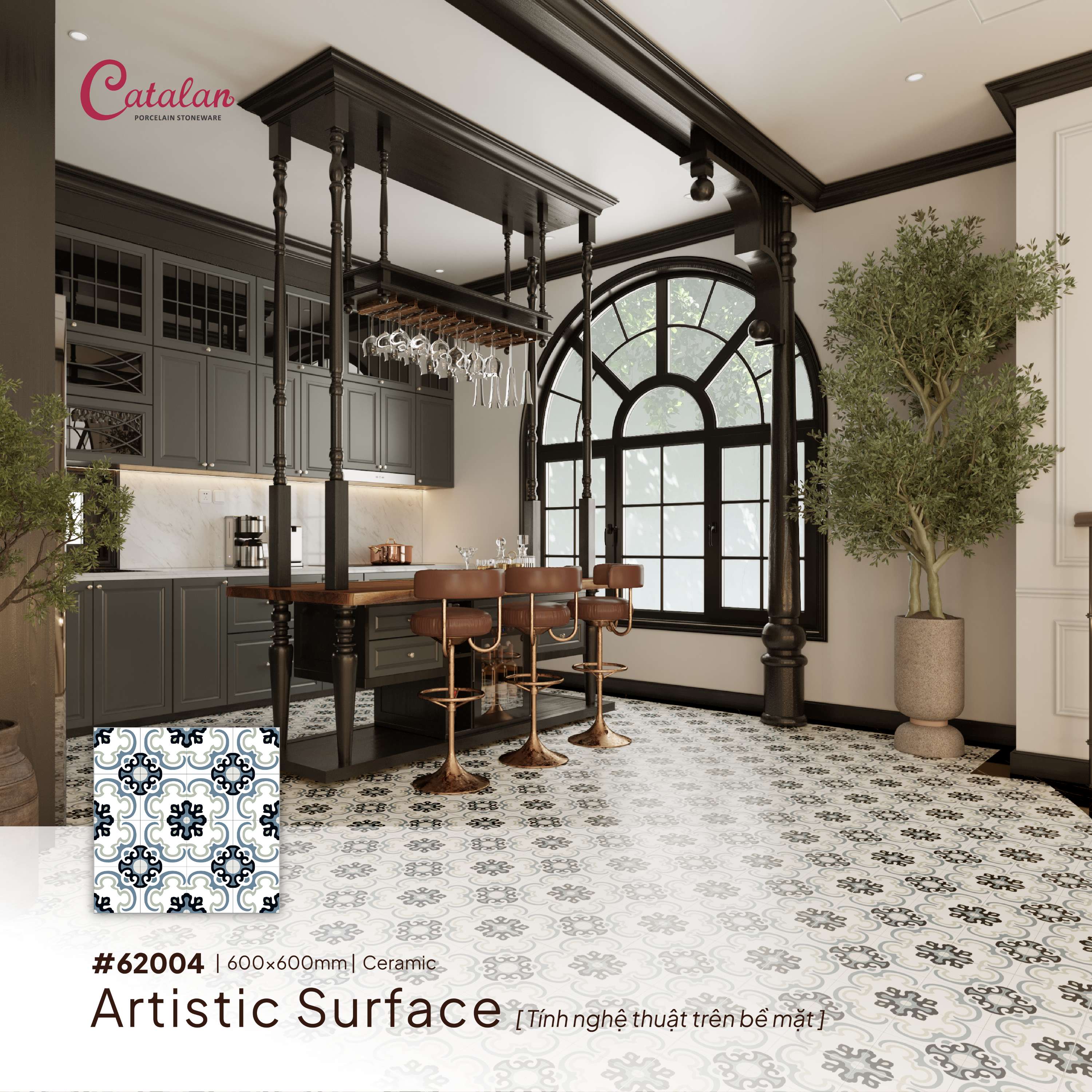
While the styles above focus on overall harmony, Artistic Surface explores the expressive potential of materials as a means of creating a distinctive identity. It transforms finishing materials into artistic focal points through patterns, textures, and unique surface effects.
This trend opens up diverse possibilities for material expression: from distinctive stone veining and decorative patterns to varied surface structures and light-reflecting effects that create visual depth. The intentional combination of different surfaces brings spaces to life without relying heavily on decorative accessories.
Suggested applications: Feature walls or decorative flooring in living rooms, entrance areas, bathrooms, or any space that calls for a distinctive material statement.
Materials – The Elements That Define Design Language
These five styles, each with its own aesthetic character, demonstrate the increasingly important role of materials in architecture and interior design. From the natural beauty of Organic Modern and the simplicity of Quiet Luxury to the distinctive character of Soft Industrial and the expressive qualities of Artistic Surface, every material choice contributes to shaping the atmosphere and identity of a space.
When selecting tiles, beyond color and pattern, it is important to consider size, surface finish, lighting conditions, and the functional requirements of each area. The harmony between materials and design language creates a cohesive interior with visual depth and enduring aesthetic value.
With a diverse range of colors, sizes, and surface effects, Catalan offers material solutions that help bring a wide variety of design ideas to life. Each space is designed not only to meet practical needs but also to reflect the unique identity of its homeowner.
Related posts
5 NOTABLE ARCHITECTURAL TRENDS IN INTERIOR DESIGN 2026
From architectural lines to every material surface, each detail contributes to shaping a distinctive aesthetic language. As 2026 draws to a close, interior design is increasingly embracing natural beauty, visual continuity, and multi-sensory experiences. Join Catalan in exploring five notable design languages!
BIOPHILIC DESIGN: A DESIGN TREND THAT BRINGS NATURE INTO LIVING SPACES
In modern architecture and interior design, the trend of bringing nature into living spaces is receiving increasing attention as people spend most of their time in buildings and urban areas. Designers seek to make light, greenery, materials, forms, and experiences of nature a part of architecture.
SOFT LUXURY: WHEN REFINEMENT BECOMES A WAY OF LIFE
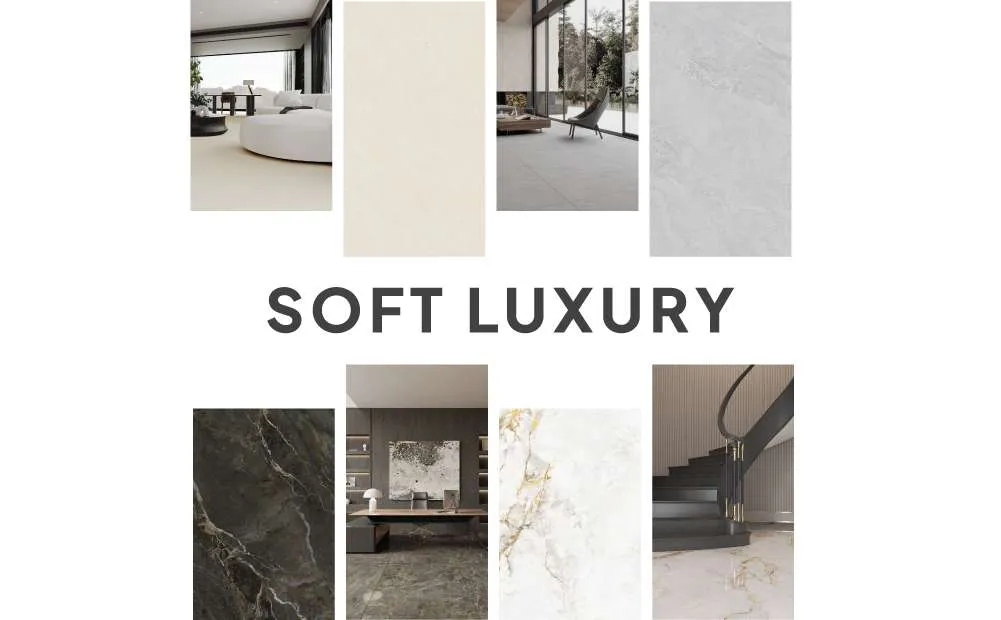
Luxury in modern interior design is no longer measured by ostentation or conspicuously expensive details. Instead, it is being redefined through a sense of tranquility, harmony, and the depth of materials. Soft Luxury emerges from this very shift: a design philosophy in which beauty does not need to speak loudly, but is gradually revealed through every surface, every interplay of light, and every everyday living experience.
MINIMALISM: WHEN SIMPLICITY CREATES VALUE
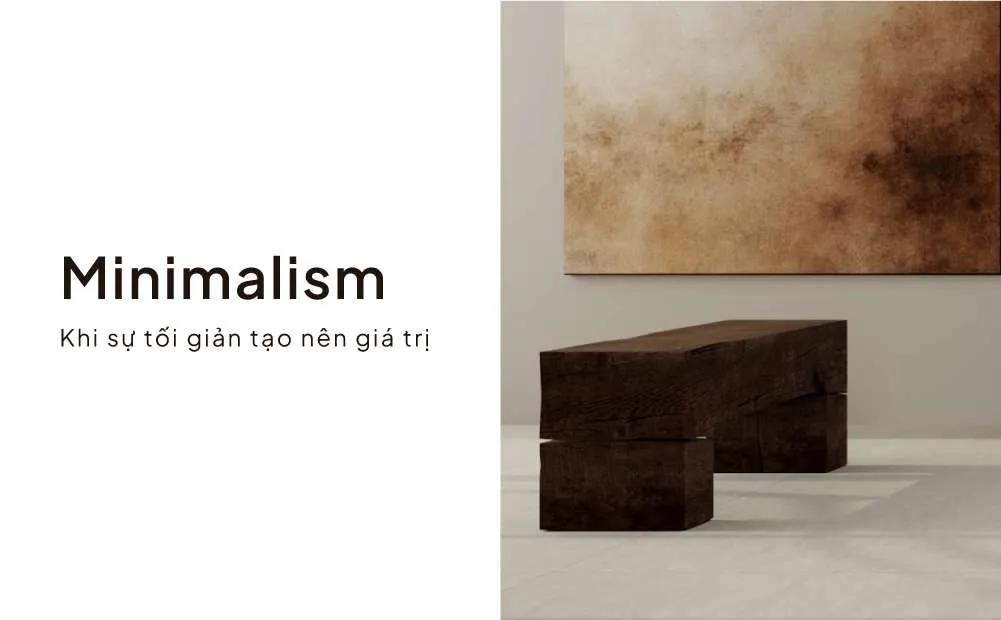
In modern life, as people increasingly value balance and quality of living, Minimalism has become one of the most favored interior design styles. Rather than focusing on elaborate forms, Minimalism emphasizes simplicity, functionality, and essential breathing space to create a living environment that feels light, calm, and full of depth.
THE ROLE OF TILES IN CONTEMPORARY DESIGN
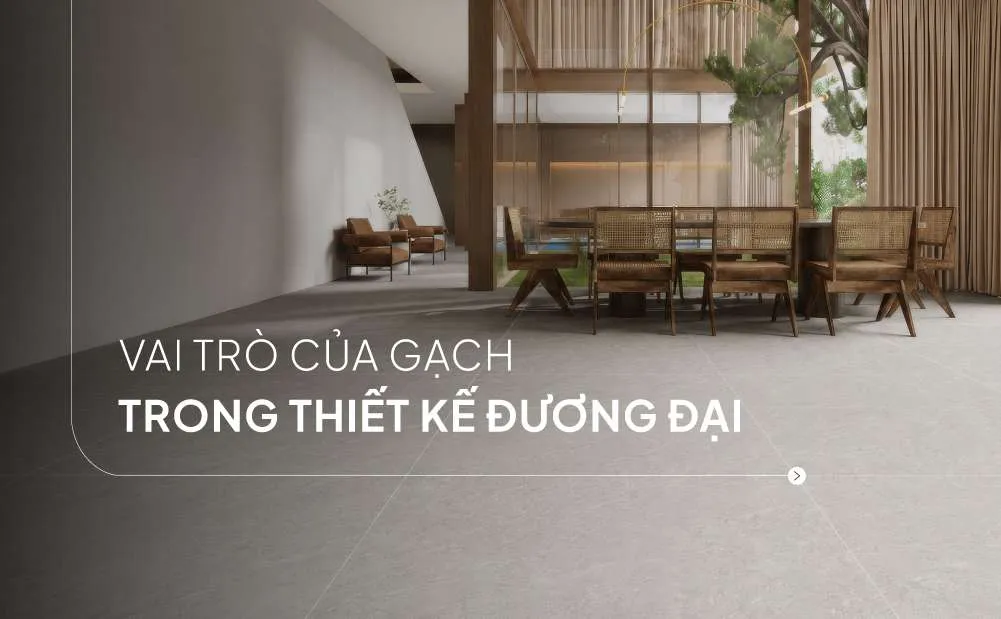
The Contemporary style allows architects and designers to flexibly combine modern lines, materials, colors, and forms to create spaces that reflect the spirit of each project. Within this overall approach, tiles are not simply a surface finishing material. With a diverse range of colors, sizes, textures, and visual effects, tiles have become an important element in shaping architectural language and creating a distinctive identity for contemporary spaces.
NORDIC STYLE AND TILE SELECTION TRENDS
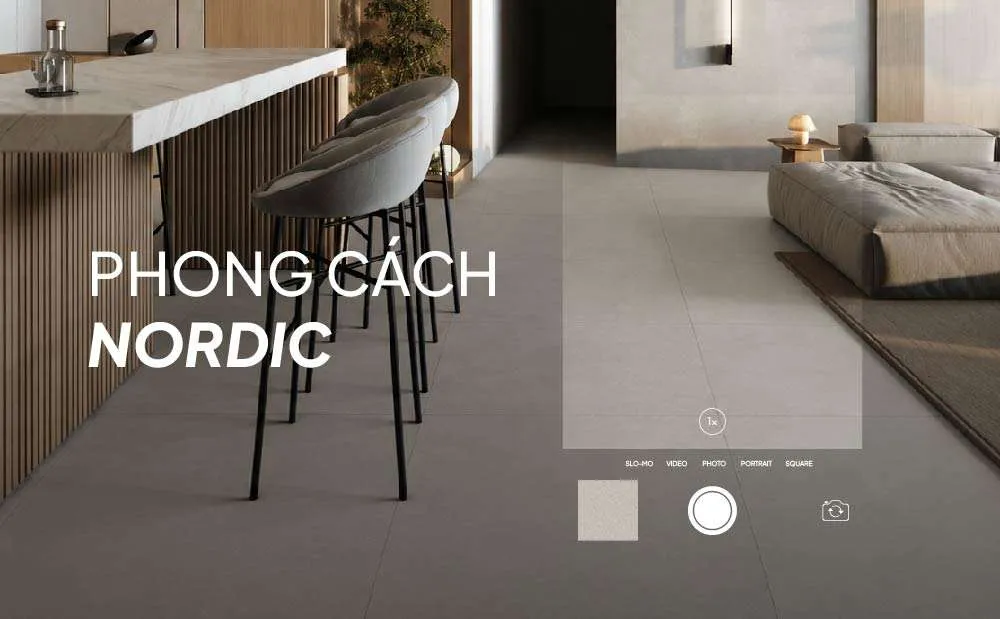
In recent years, Nordic (Scandinavian) style has become one of the most popular interior design trends thanks to its minimalist aesthetic, refined simplicity, and strong connection to nature. Beyond furniture and wall colors, choosing the right wall and floor tiles plays an essential role in creating a harmonious, bright, and timeless living space.