MINIMALISM: WHEN SIMPLICITY CREATES VALUE
In modern life, as people increasingly value balance and quality of living, Minimalism has become one of the most favored interior design styles. Rather than focusing on elaborate forms, Minimalism emphasizes simplicity, functionality, and essential breathing space to create a living environment that feels light, calm, and full of depth.
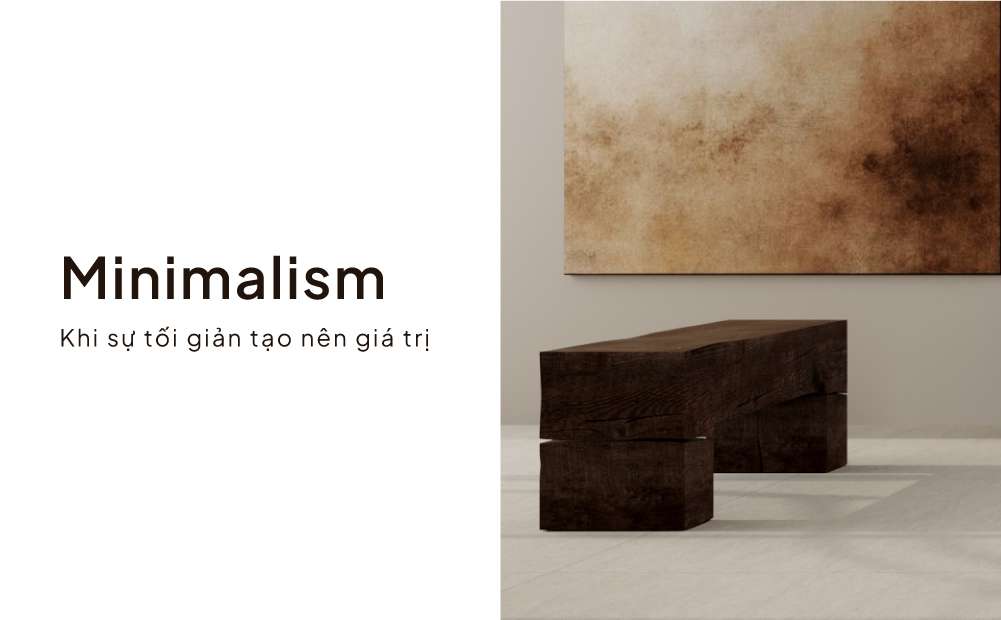
What Is Minimalism?
Minimalism, also known as minimalist design, is a design philosophy that emphasizes simplicity, refinement, and intentionality in every detail. Minimalist spaces are often characterized by neutral color palettes, clean lines, carefully selected furnishings, and a sophisticated use of light and materials.
What makes this style distinctive is the idea that every object, line, and empty space has a purpose. Instead of relying on numerous decorative elements, Minimalism creates its character through proportion, materials, lighting, and overall balance.
Key Characteristics of Minimalism
Simplifying the Space with a Neutral Color Palette
White, beige, cream, gray, light brown, and other natural tones are commonly used in Minimalist design. These colors create a sense of calm and elegance while making the space feel more open and spacious.
At the same time, limiting the use of excessive colors allows important elements such as furniture, materials, and lighting to naturally become focal points within the space.
Highlighting the Beauty of Materials
When decorative details are kept to a minimum, materials become an important visual language for creating depth within the space. Wood, stone, concrete, metal, glass, and fabric can be combined thoughtfully to create subtle contrasts in color and texture.
A wooden surface with natural grain, a stone surface with delicate veining, or the way light interacts with a material can become a distinctive focal point without the need for elaborate decorative details.
Optimizing Functionality in Every Piece of Furniture
One of the core values of Minimalist interior design is functionality. Every item introduced into a space should serve a specific purpose while complementing the overall design.
Rather than filling the space with too much furniture, Minimalism favors pieces with clean designs, practical functions, and forms that suit the needs of the user. As a result, the space can avoid unnecessary elements while maintaining a sense of order and neatness.
Creating Balance Through Empty Space
In Minimalism, empty space is not something that has been overlooked. It is an important component of the design. Thoughtfully planned spaces between pieces of furniture, across wall surfaces, and within the overall composition give the interior room to breathe.
When the eye is not overwhelmed by too many details, people can more easily experience a sense of calm and balance while living in the space.
What Does Minimalism Bring to a Living Space?
Minimalism not only creates a modern and sophisticated aesthetic but also reflects a more selective way of living.
A minimalist space helps reduce unnecessary elements, allowing people to focus more on the experiences that truly matter. A clean and open environment can also create a greater sense of relaxation after hours of work and study.
In particular, Minimalism can be applied to a wide range of residential spaces, from apartments and townhouses to villas. Depending on the size of the space, the needs, and the personality of the homeowner, the minimalist style can be adapted to create an environment with its own distinctive character.
A common perception is that minimalist spaces can easily feel cold or monotonous. However, Minimalism does not mean using only one color or creating an environment that lacks emotion. The sophistication of this style lies in the balance between color, lighting, proportion, and materials. A space with only a few carefully selected pieces of furniture can still create a sense of warmth and luxury.
In modern life, Minimalism is not simply an aesthetic trend. It is also a way for people to reconsider their needs and choose what is truly necessary. The same principle applies to interior design. A beautiful space does not necessarily need to be filled with numerous details. Its value can sometimes come from a well balanced composition, a carefully selected material, a thoughtfully placed empty space, or an object that holds meaning for the person using the space.
Related posts
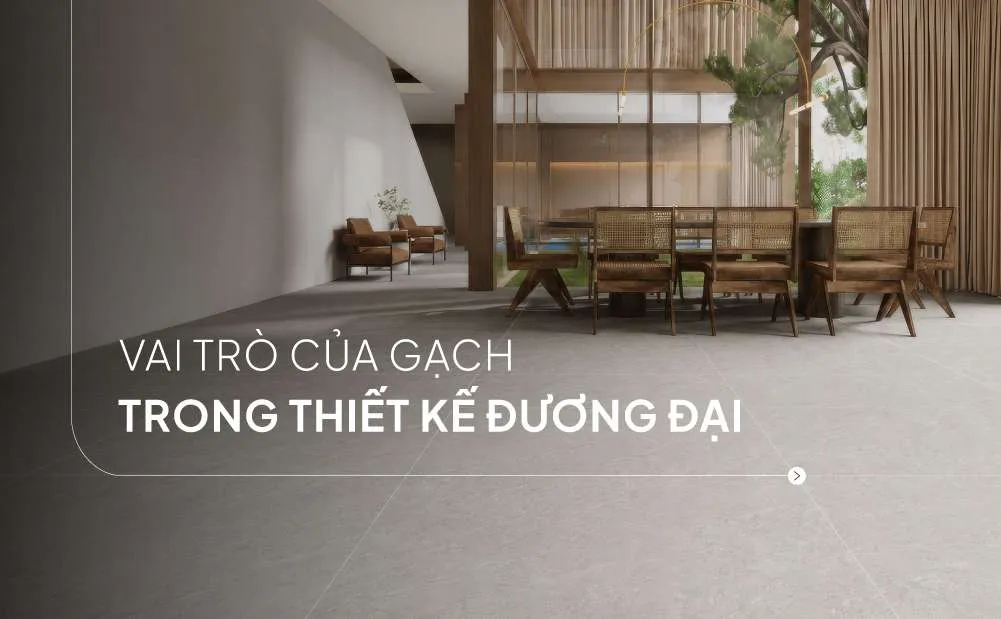
THE ROLE OF TILES IN CONTEMPORARY DESIGN
The Contemporary style allows architects and designers to flexibly combine modern lines, materials, colors, and forms to create spaces that reflect the spirit of each project. Within this overall approach, tiles are not simply a surface finishing material. With a diverse range of colors, sizes, textures, and visual effects, tiles have become an important element in shaping architectural language and creating a distinctive identity for contemporary spaces.
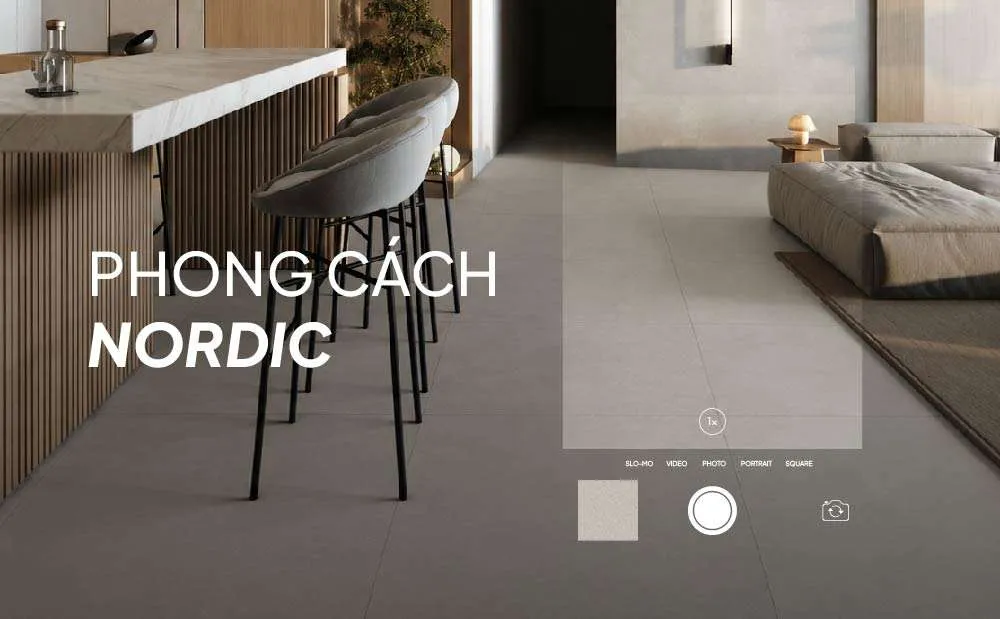
NORDIC STYLE AND TILE SELECTION TRENDS
In recent years, Nordic (Scandinavian) style has become one of the most popular interior design trends thanks to its minimalist aesthetic, refined simplicity, and strong connection to nature. Beyond furniture and wall colors, choosing the right wall and floor tiles plays an essential role in creating a harmonious, bright, and timeless living space.
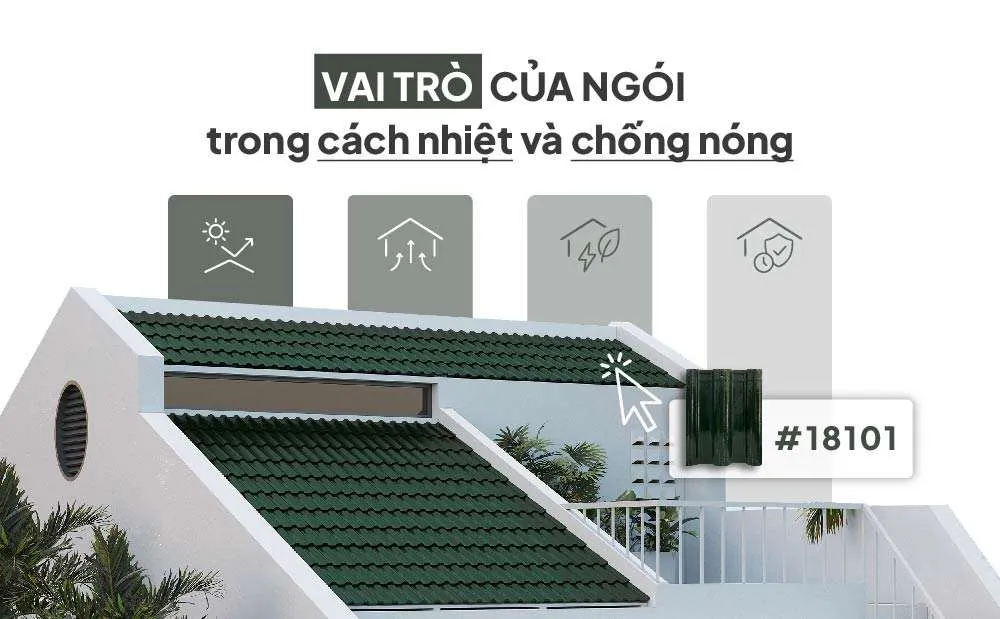
THE ROLE OF ROOF TILES IN THERMAL INSULATION AND HEAT REDUCTION FOR BUILDINGS
The roof is the part of a building that is directly exposed to sunlight, making it a major factor affecting indoor temperatures. Choosing the right roofing tiles not only enhances the aesthetic appeal of a building but also contributes to effective thermal insulation and heat reduction, creating a cooler and more energy-efficient living environment.
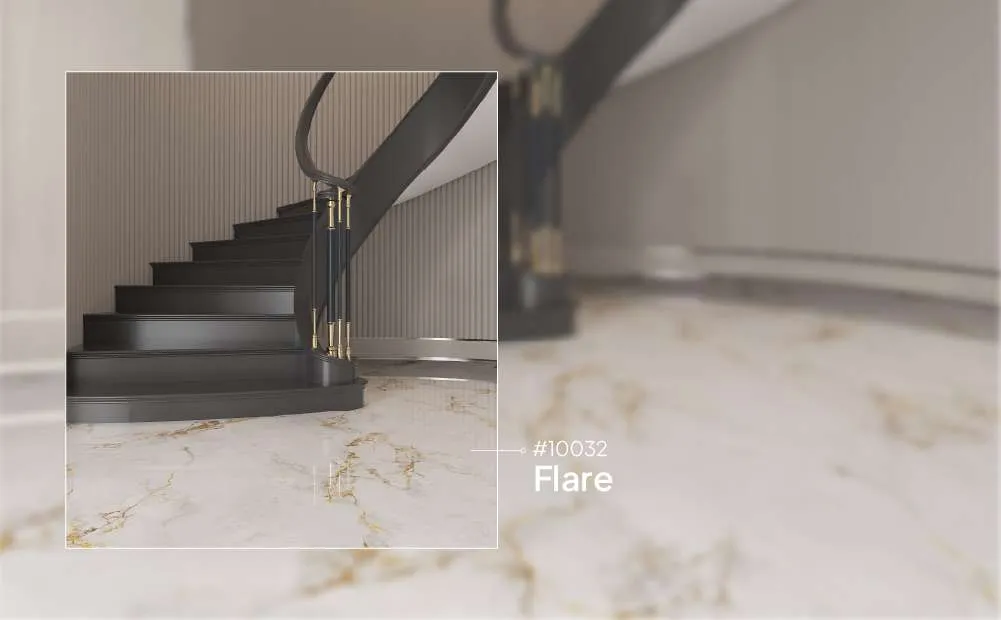
WHAT MAKES A HIGH-QUALITY BUILDING?
A beautiful building is not defined solely by its striking appearance or the latest design trends. Its true value lies in the balance between aesthetics, functionality, and long-term durability. From the initial design concept and construction quality to the selection of finishing materials, every element plays a vital role in creating a living space that is both beautiful and built to last.
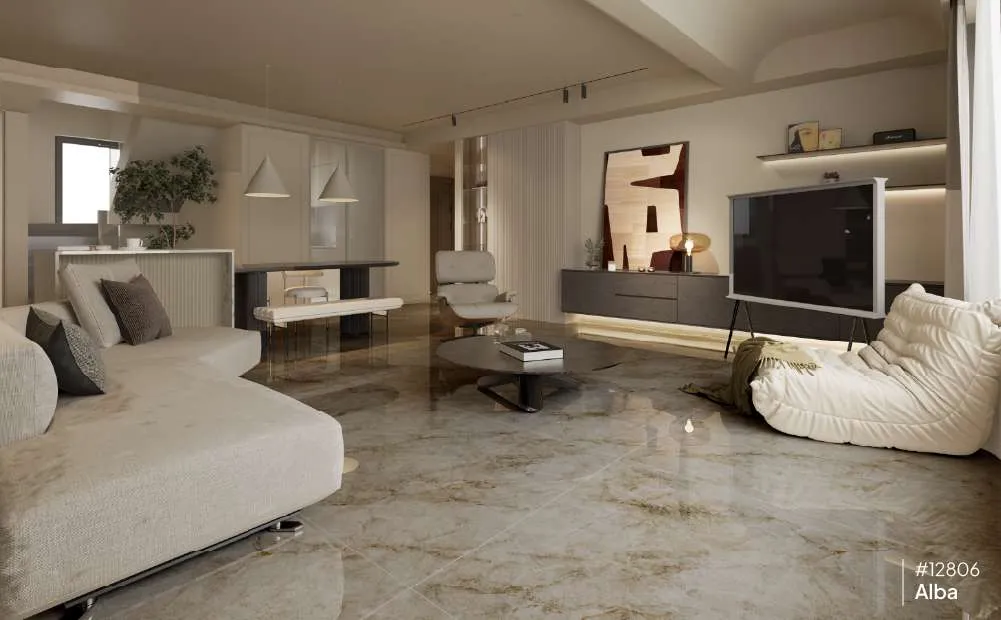
THE GROWING TREND OF POLISHED NANO TILES IN MODERN INTERIOR DESIGN
In modern interior design, bright and spacious living environments have become increasingly desirable. While layout planning and natural lighting play an essential role in achieving this effect, finishing materials are equally important. Among them, polished nano tiles stand out for their excellent light reflection, elegant appearance, and versatility across a wide range of architectural styles. As a result, they have become a preferred choice for architects and homeowners in residential, apartment, and commercial projects.
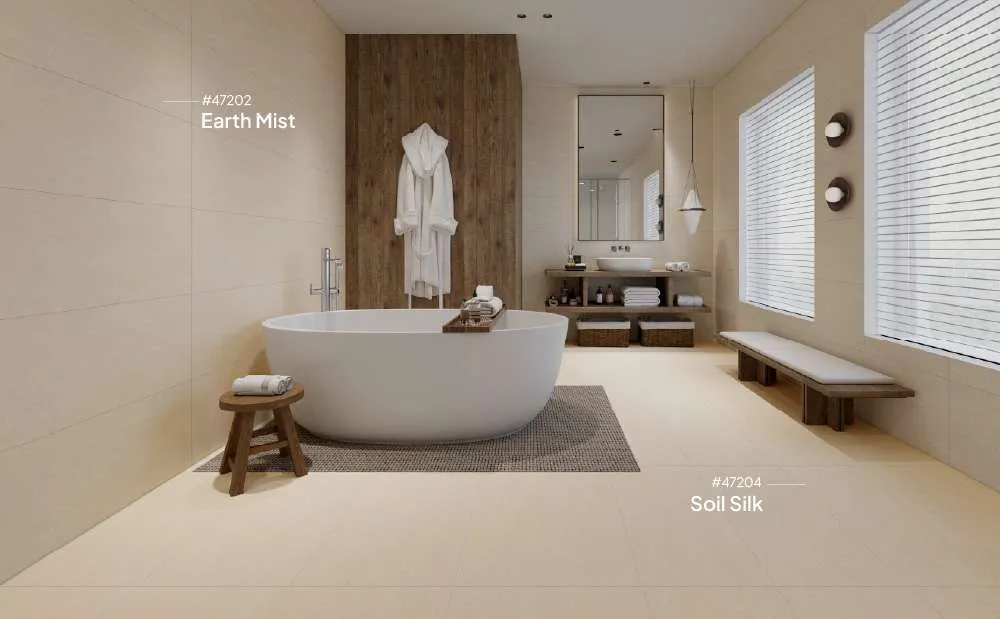
Wabi Sabi and the Art of Choosing Tiles for Modern Living Spaces
As more homeowners and designers embrace nature inspired living and sustainable values, the Wabi Sabi style has become an increasingly popular choice. Beyond furniture and decorative elements, the essence of Wabi Sabi is also expressed through finishing materials, especially ceramic and porcelain tiles. So what are Wabi Sabi tiles, and how can you choose the right ones to achieve this timeless aesthetic?