WHAT MAKES A HIGH-QUALITY BUILDING?
A beautiful building is not defined solely by its striking appearance or the latest design trends. Its true value lies in the balance between aesthetics, functionality, and long-term durability. From the initial design concept and construction quality to the selection of finishing materials, every element plays a vital role in creating a living space that is both beautiful and built to last.

A Thoughtful Design That Meets Everyday Needs
A well-designed building begins with a clear understanding of the people who will use it. Beyond visual appeal, good design should prioritize functionality, comfort, and efficient use of space. Every detail—from floor plan layout and natural light optimization to the seamless connection between functional areas—directly shapes the overall living experience.
A successful design is not only visually appealing today but also remains practical, relevant, and valuable for years to come.
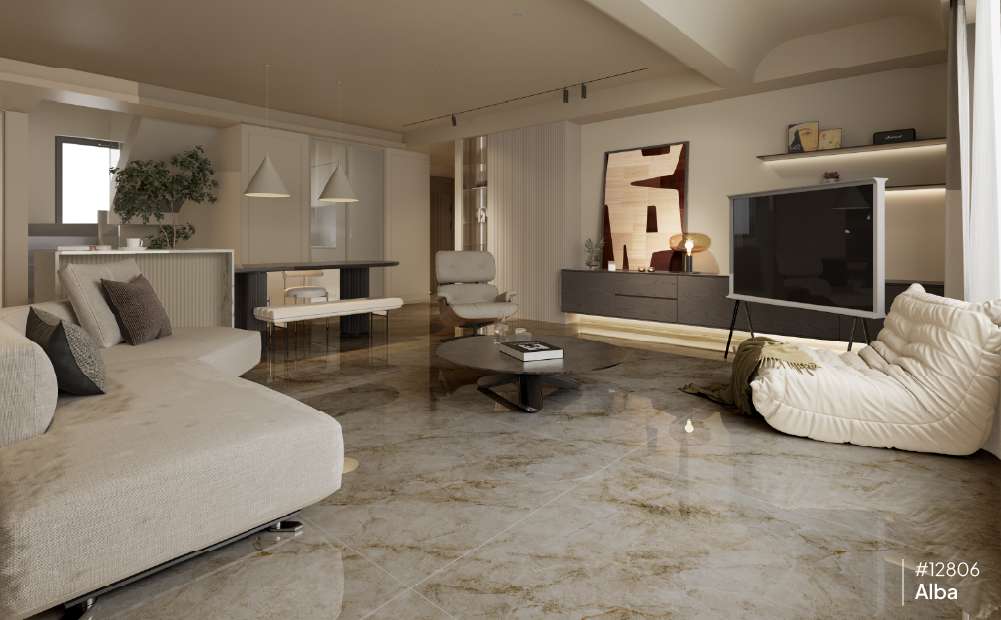
Construction Quality: Bringing the Design to Life
Even the most outstanding architectural design cannot achieve its full potential without high-quality execution.
Precision, craftsmanship, and attention to detail during construction ensure that the original design vision is realized while maintaining structural integrity and safety. From the building framework and technical systems to the final finishing touches, every stage of construction contributes to the longevity and overall quality of the project.
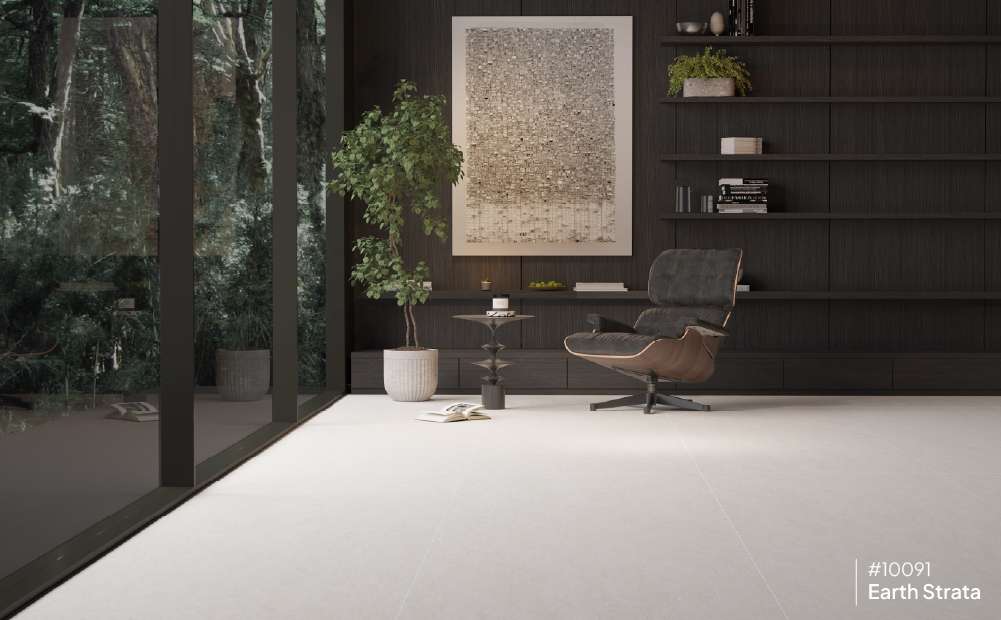
Building and Finishing Materials: The Foundation of Lasting Quality
The choice of materials is one of the most important factors in any construction project. Beyond durability, building materials have a significant impact on the overall appearance and character of a space.
Selecting the right materials ensures long-term performance while creating visual harmony throughout the design. More importantly, quality materials enhance the daily experience of those who live, work, or spend time within the space.
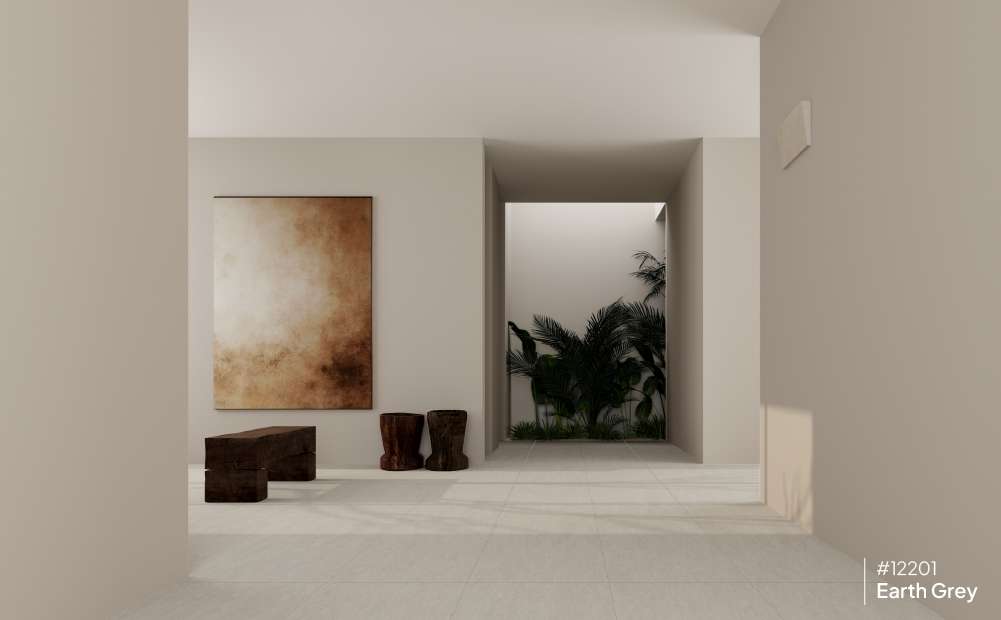
The Role of Tiles in Interior Design
In modern architecture, tiles are among the most influential finishing materials. As one of the largest visible surfaces within an interior, they do much more than provide functionality—they help define the overall design language of a space.
High-quality tiles should offer:
- Excellent durability and strength
- Surface finishes suited to different applications
- Attractive colors and sophisticated patterns
- A wide range of sizes to complement various design styles
- Long-lasting beauty and performance over time
When carefully selected, tiles not only elevate the aesthetic appeal of an interior but also create a seamless, cohesive look that enhances the entire project.
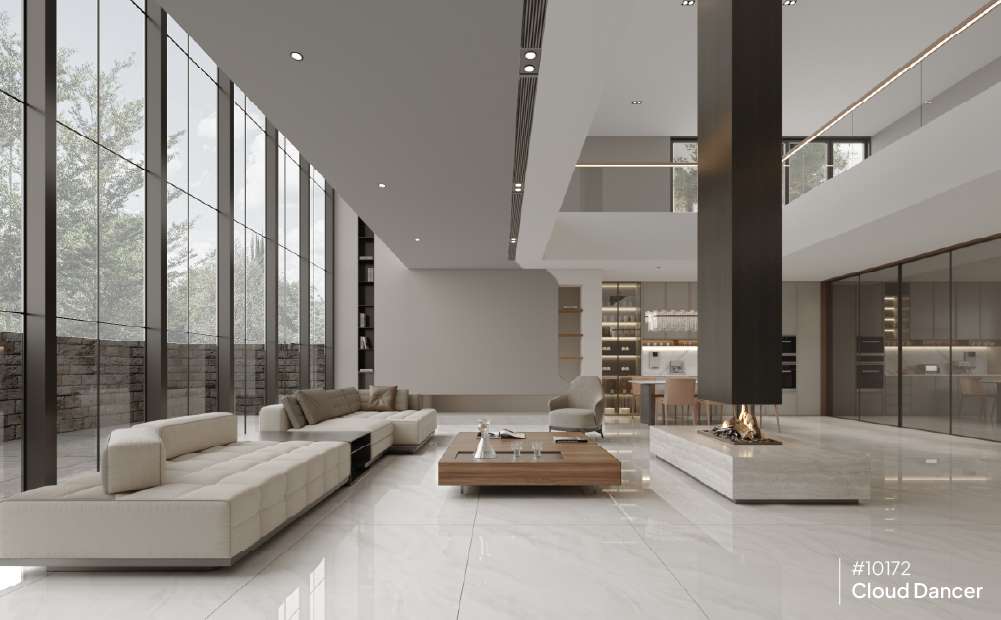
Creating a Cohesive Living Environment
The most impressive buildings are not necessarily those filled with eye-catching features, but those where every element works together in harmony.
A cohesive space is achieved through:
- A well-coordinated color palette
- Materials selected with a consistent design vision
- Thoughtfully planned lighting
- Strong visual continuity between architecture and interior design
This sense of harmony creates spaces that feel refined, comfortable, and timeless. It is also why many architects and homeowners today prioritize integrated material solutions that deliver consistency throughout the entire project.
Building More Than Just Structures
A truly exceptional building is not created by concrete, steel, or stone alone. It is the result of thoughtful decisions made at every stage—from design and construction to the final selection of finishing materials. When these elements come together with care and purpose, they create spaces that are not only visually appealing but also functional, durable, and valuable for generations to come.
Related posts
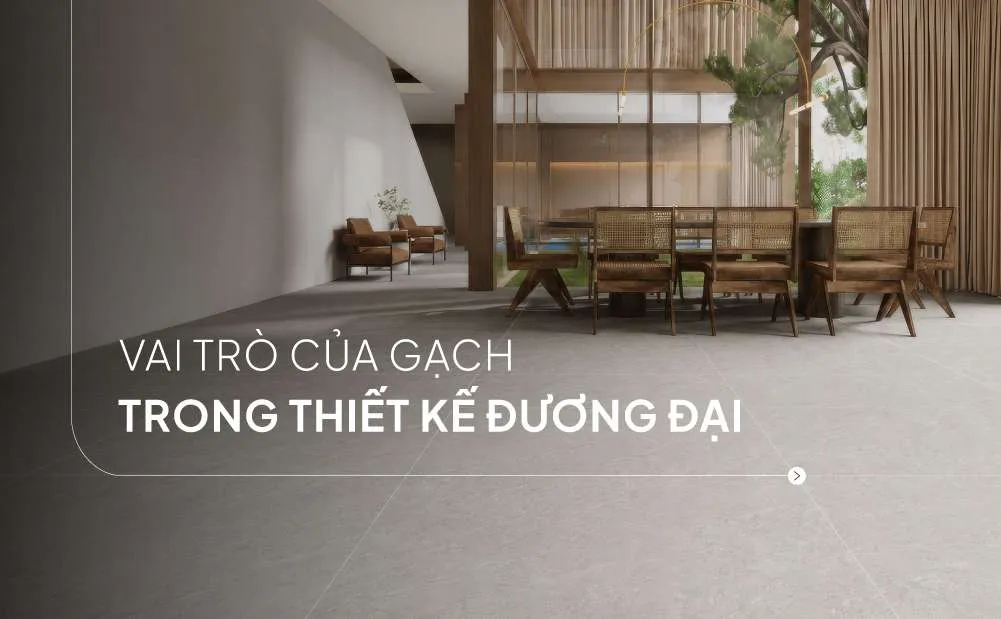
THE ROLE OF TILES IN CONTEMPORARY DESIGN
The Contemporary style allows architects and designers to flexibly combine modern lines, materials, colors, and forms to create spaces that reflect the spirit of each project. Within this overall approach, tiles are not simply a surface finishing material. With a diverse range of colors, sizes, textures, and visual effects, tiles have become an important element in shaping architectural language and creating a distinctive identity for contemporary spaces.
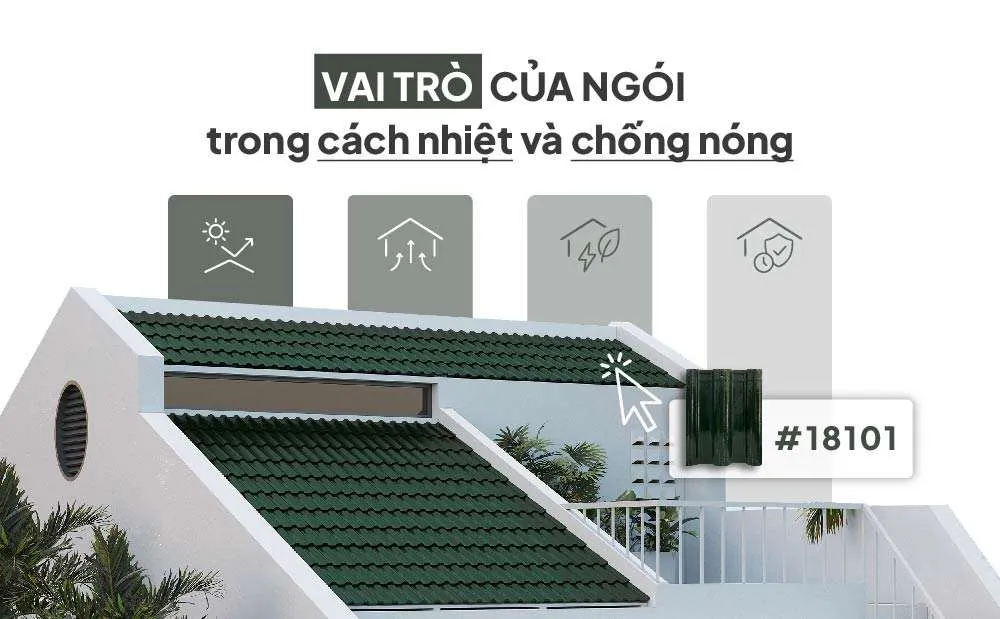
THE ROLE OF ROOF TILES IN THERMAL INSULATION AND HEAT REDUCTION FOR BUILDINGS
The roof is the part of a building that is directly exposed to sunlight, making it a major factor affecting indoor temperatures. Choosing the right roofing tiles not only enhances the aesthetic appeal of a building but also contributes to effective thermal insulation and heat reduction, creating a cooler and more energy-efficient living environment.
WHAT MAKES A HIGH-QUALITY BUILDING?
A beautiful building is not defined solely by its striking appearance or the latest design trends. Its true value lies in the balance between aesthetics, functionality, and long-term durability. From the initial design concept and construction quality to the selection of finishing materials, every element plays a vital role in creating a living space that is both beautiful and built to last.
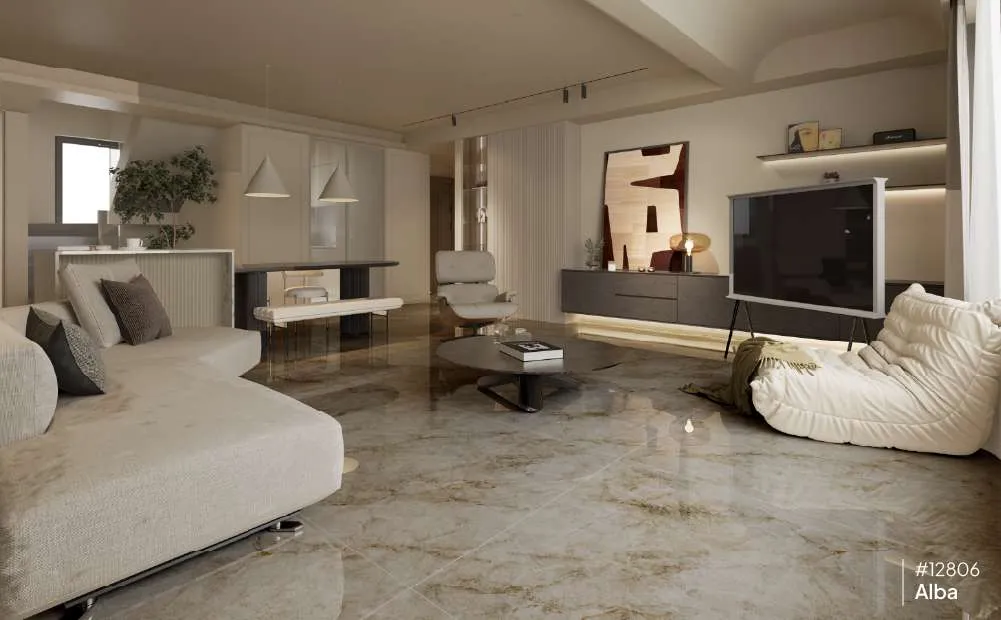
THE GROWING TREND OF POLISHED NANO TILES IN MODERN INTERIOR DESIGN
In modern interior design, bright and spacious living environments have become increasingly desirable. While layout planning and natural lighting play an essential role in achieving this effect, finishing materials are equally important. Among them, polished nano tiles stand out for their excellent light reflection, elegant appearance, and versatility across a wide range of architectural styles. As a result, they have become a preferred choice for architects and homeowners in residential, apartment, and commercial projects.
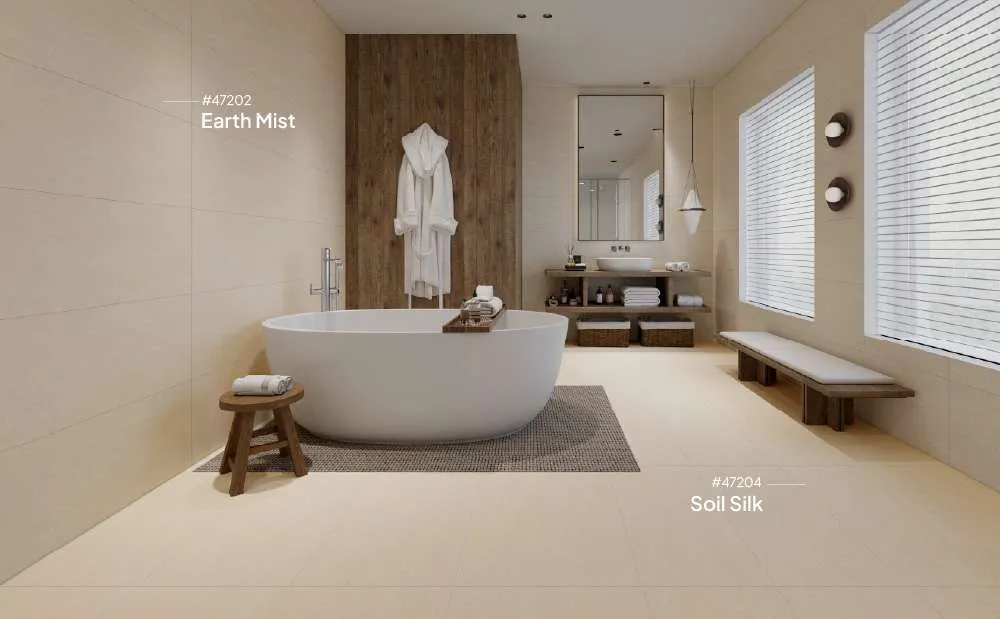
Wabi Sabi and the Art of Choosing Tiles for Modern Living Spaces
As more homeowners and designers embrace nature inspired living and sustainable values, the Wabi Sabi style has become an increasingly popular choice. Beyond furniture and decorative elements, the essence of Wabi Sabi is also expressed through finishing materials, especially ceramic and porcelain tiles. So what are Wabi Sabi tiles, and how can you choose the right ones to achieve this timeless aesthetic?
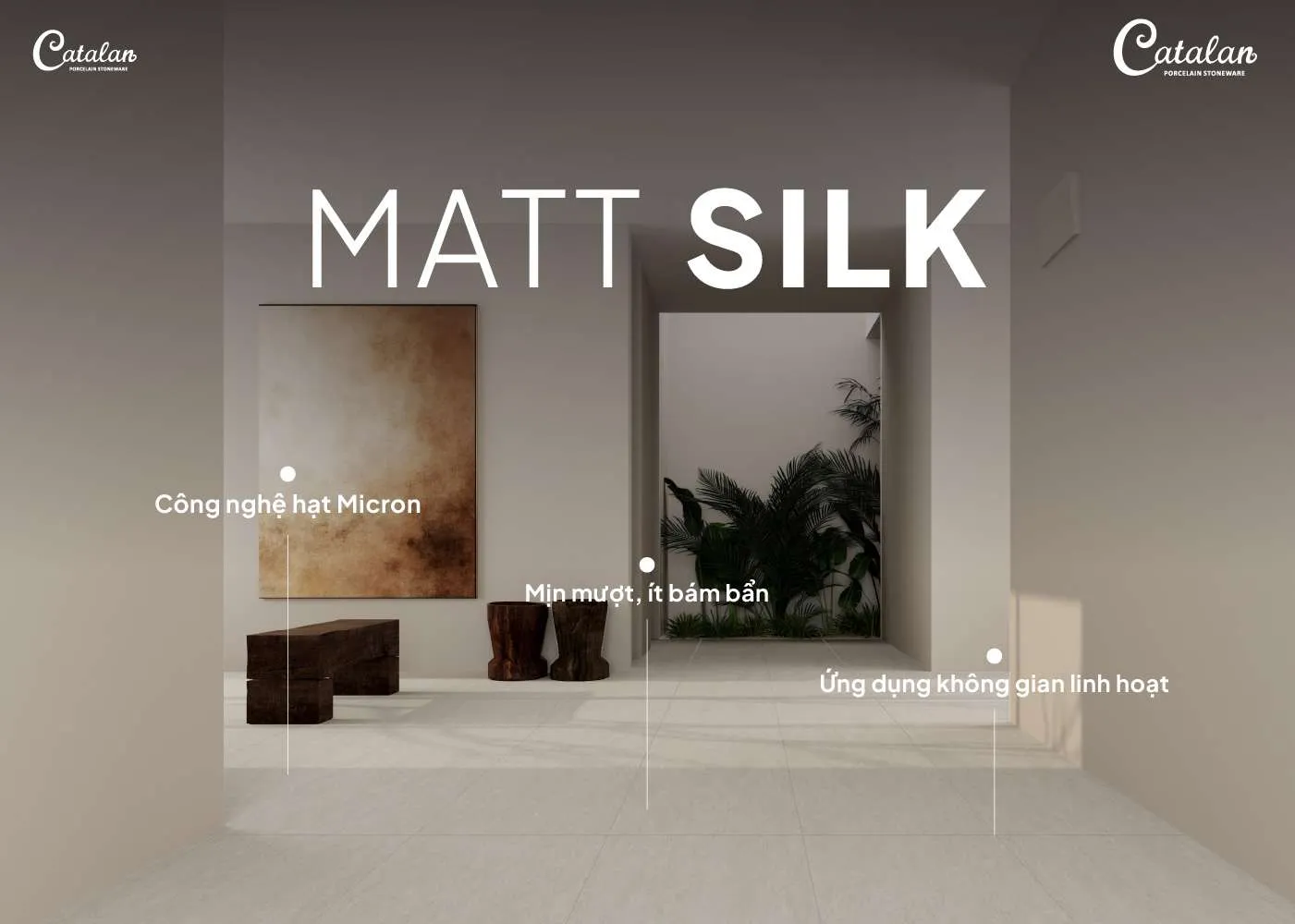
CATALAN INTRODUCES MATT SILK SURFACE – A NEW GENERATION TREND IN PORCELAIN TILES
Catalan officially unveils the Matt Silk Surface – a next-generation porcelain tile finish (silk matte), marking a significant step forward in enhancing tactile experience and everyday comfort in modern living spaces.