NEUTRAL TONES RISE AS A DOMINANT TREND IN MODERN INTERIOR DESIGN
In recent years, neutral tones in modern interior design have become a top choice for many homeowners and architects. No longer just a “safe” color palette, neutral tones are now shaping a new lifestyle defined by minimalism, sophistication, and long-term sustainability. So what exactly are neutral tones, and why are they increasingly favored in living spaces? Let’s explore with Catalan in the article below.
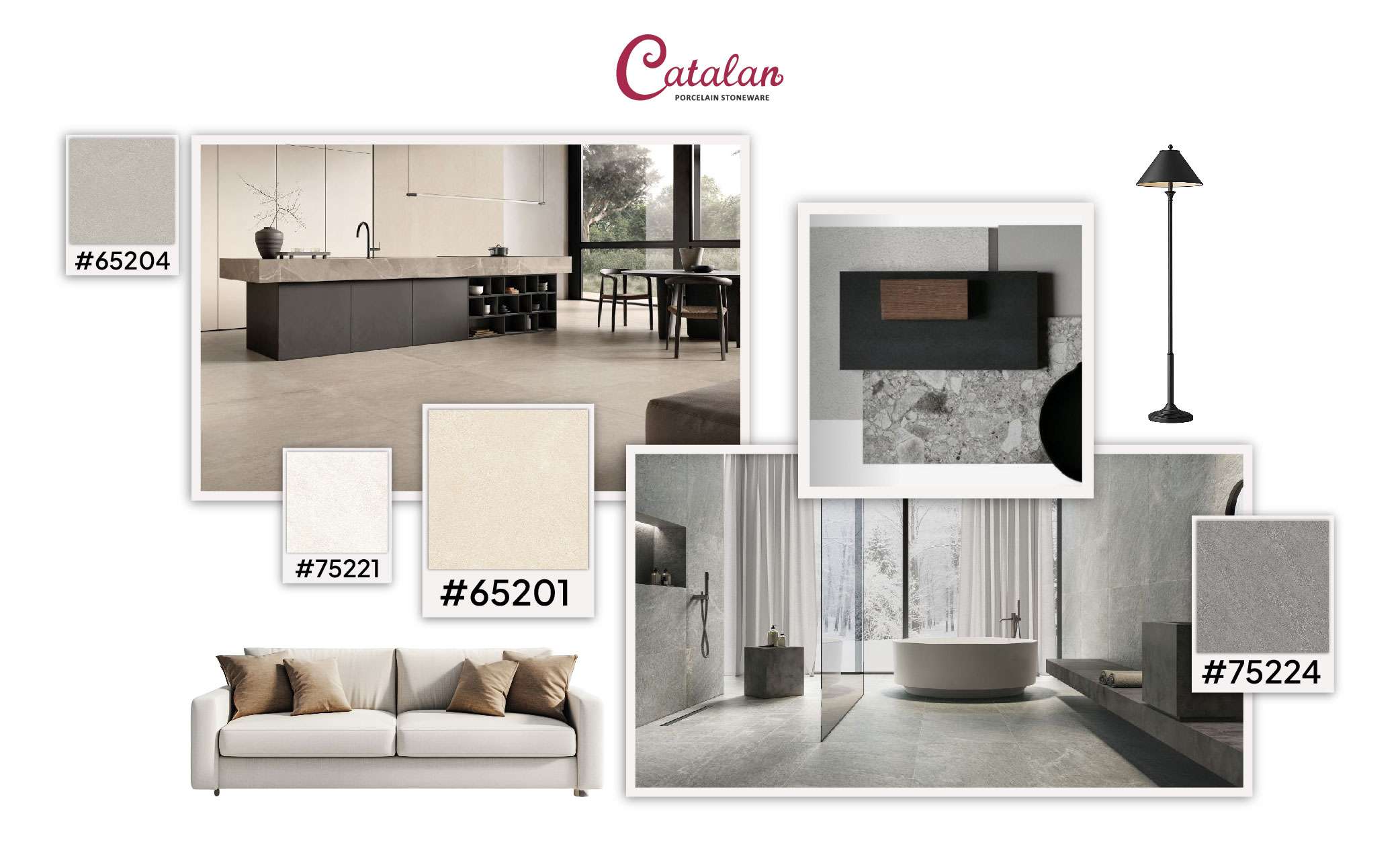
What Are Neutral Tones?
Neutral tones refer to a collection of soft, understated colors such as white, beige, cream, gray, and light brown. These shades are widely used in modern neutral-tone interior design. While they are not overly striking, they excel at balancing visual perception, creating a harmonious and comfortable overall space.
In practice, neutral tones are more than just a color choice—they represent an aesthetic approach that emphasizes simplicity and flexibility. These colors pair easily with materials like wood, stone, fabric, and metal, adding depth while maintaining elegance. As a result, the concept of neutral tones has evolved beyond a basic definition to become a foundation for many design styles such as minimalism, Scandinavian, and Japandi.
Neutral Tones Effectively Expand Space
One of the key reasons neutral tones are so popular in interior design is their subtle ability to make spaces appear larger. In modern architecture, lighting plays a crucial role, and neutral colors act as ideal reflective surfaces, helping light spread evenly throughout the space.
Thanks to this effect, even small apartments can feel more open and spacious visually. The combination of neutral tones and natural light creates a sense of expansion without requiring major structural changes. This is why many modern apartments and townhouses prioritize neutral palettes to optimize spatial perception.
Neutral Tones Bring Comfort and Depth
Beyond enhancing space, neutral tones in modern interiors also provide a calm and relaxing living experience. Shades like beige, creamy white, and light gray help soothe the eyes, making people feel more comfortable when returning home after a long day.
What makes neutral tones unique is their ability to create depth without relying on strong contrast. Instead of bold colors, designers often use subtle tonal variations within the same palette, combined with materials and lighting, to create spaces rich in depth and emotion. This sense of restraint contributes to a refined, high-end aesthetic, ideal for those who appreciate modern minimalist interiors.
Neutral Tones as a Sustainable Interior Trend
Another major advantage of neutral tones is their versatility. Whether in the living room, bedroom, or bathroom, these colors maintain harmony and adapt to various functions. A space can easily change its style simply by adjusting decorative elements, without the need to alter the base color scheme.
Moreover, as trends continue to evolve, neutral tones have proven their lasting value. They remain timeless and pair effortlessly with a wide range of styles, from classic to contemporary. This makes them an ideal choice for those seeking long-term investment in their living space. It also explains why interior design trends for 2026 and beyond continue to emphasize simplicity, natural elements, and balance brought by neutral palettes.
The growing popularity of neutral tones in modern interior design is no coincidence. From enhancing spatial perception and creating a relaxing atmosphere to offering high versatility and long-term sustainability, neutral tones are gradually becoming a new standard in living space design.
Related posts
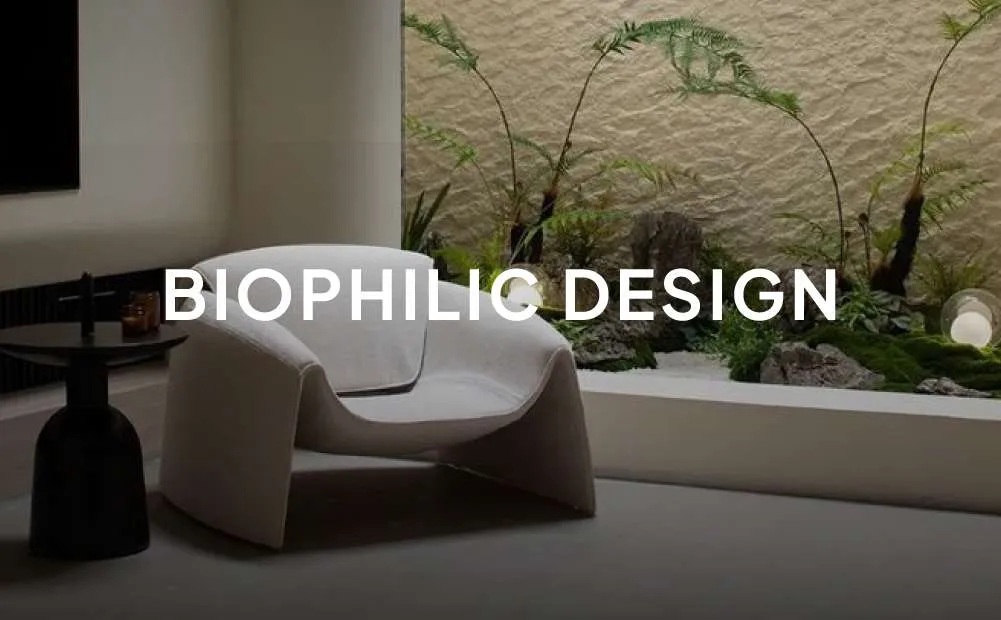
BIOPHILIC DESIGN: A DESIGN TREND THAT BRINGS NATURE INTO LIVING SPACES
In modern architecture and interior design, the trend of bringing nature into living spaces is receiving increasing attention as people spend most of their time in buildings and urban areas. Designers seek to make light, greenery, materials, forms, and experiences of nature a part of architecture.
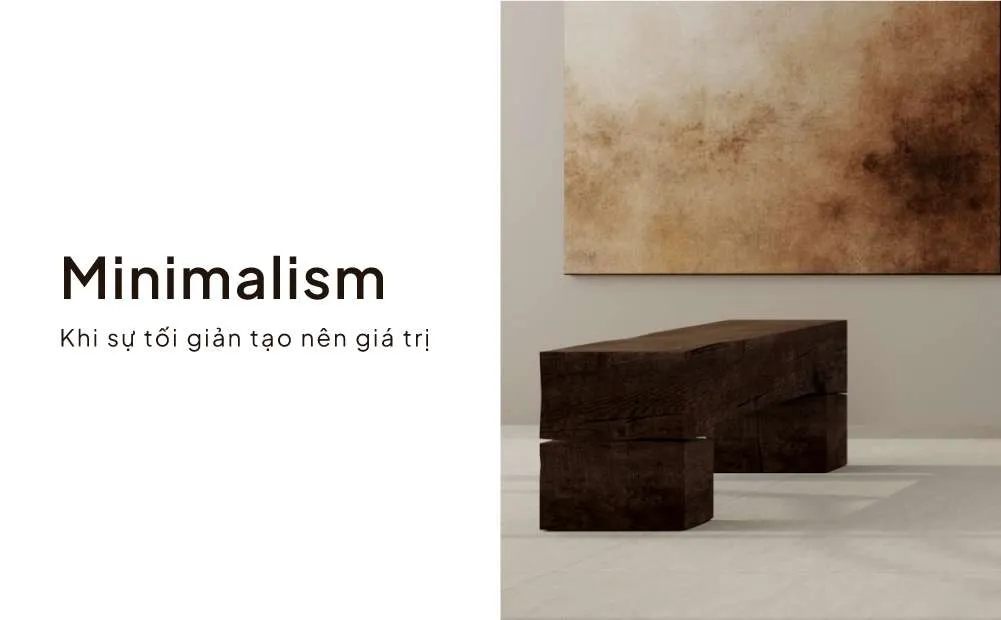
MINIMALISM: WHEN SIMPLICITY CREATES VALUE
In modern life, as people increasingly value balance and quality of living, Minimalism has become one of the most favored interior design styles. Rather than focusing on elaborate forms, Minimalism emphasizes simplicity, functionality, and essential breathing space to create a living environment that feels light, calm, and full of depth.
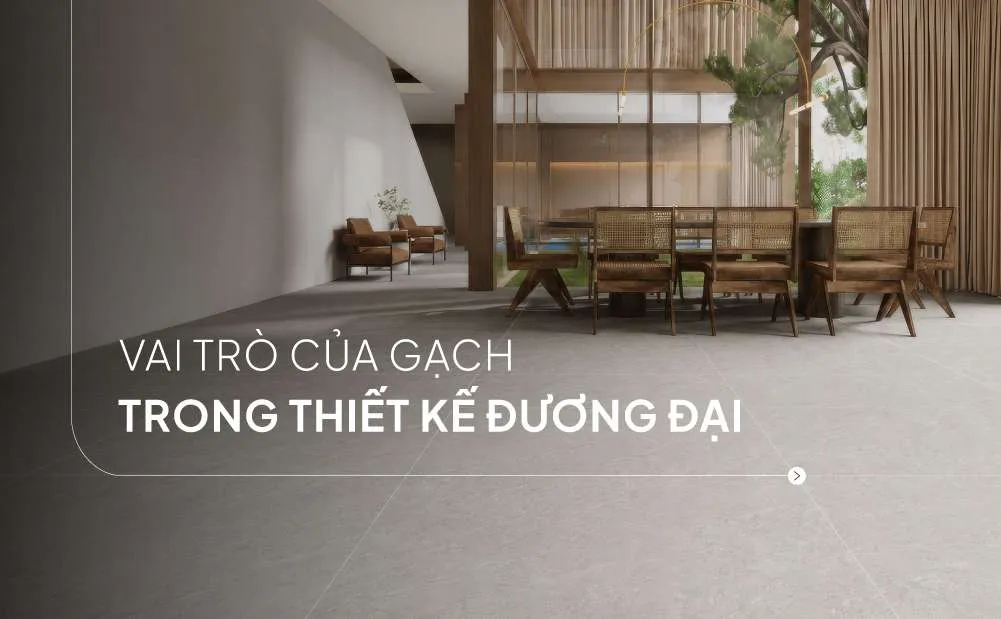
THE ROLE OF TILES IN CONTEMPORARY DESIGN
The Contemporary style allows architects and designers to flexibly combine modern lines, materials, colors, and forms to create spaces that reflect the spirit of each project. Within this overall approach, tiles are not simply a surface finishing material. With a diverse range of colors, sizes, textures, and visual effects, tiles have become an important element in shaping architectural language and creating a distinctive identity for contemporary spaces.
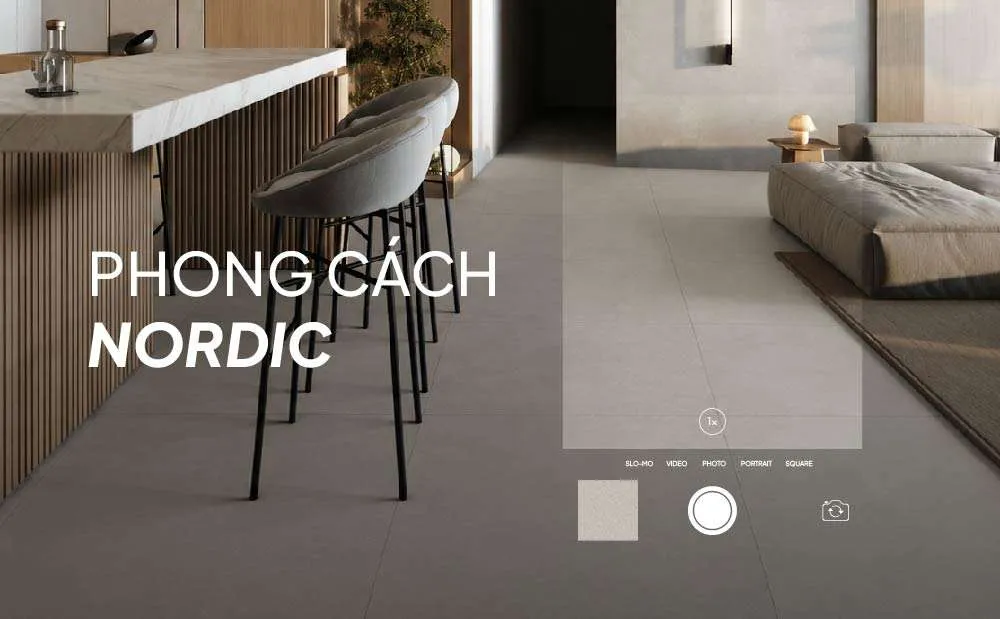
NORDIC STYLE AND TILE SELECTION TRENDS
In recent years, Nordic (Scandinavian) style has become one of the most popular interior design trends thanks to its minimalist aesthetic, refined simplicity, and strong connection to nature. Beyond furniture and wall colors, choosing the right wall and floor tiles plays an essential role in creating a harmonious, bright, and timeless living space.
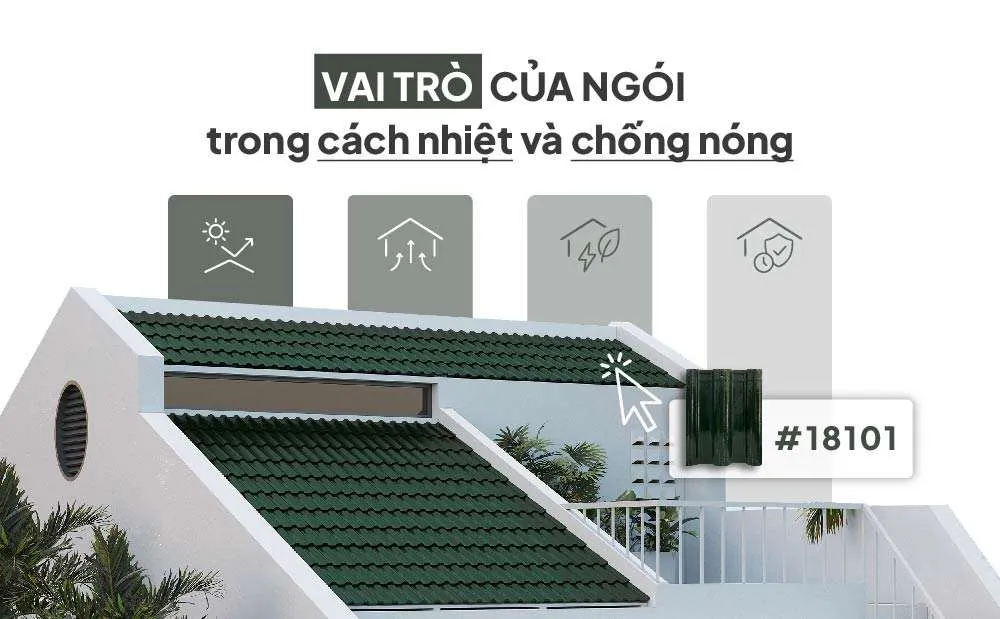
THE ROLE OF ROOF TILES IN THERMAL INSULATION AND HEAT REDUCTION FOR BUILDINGS
The roof is the part of a building that is directly exposed to sunlight, making it a major factor affecting indoor temperatures. Choosing the right roofing tiles not only enhances the aesthetic appeal of a building but also contributes to effective thermal insulation and heat reduction, creating a cooler and more energy-efficient living environment.
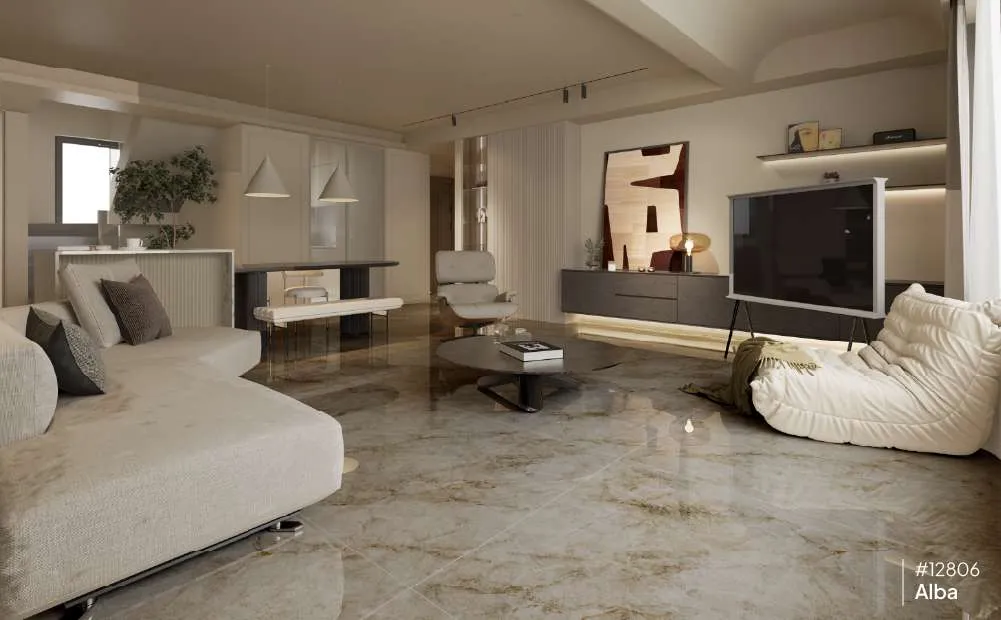
WHAT MAKES A HIGH-QUALITY BUILDING?
A beautiful building is not defined solely by its striking appearance or the latest design trends. Its true value lies in the balance between aesthetics, functionality, and long-term durability. From the initial design concept and construction quality to the selection of finishing materials, every element plays a vital role in creating a living space that is both beautiful and built to last.