Large-format tiles these tiles are increasingly used in urban living spaces thanks to their ability to optimize spatial perception and elevate overall aesthetics.
News
Architectural Trends
ARCHITECT’S PERSPECTIVE (PART 3) | WHY LARGE-FORMAT TILES ARE BECOMING MORE POPULAR IN MINIMALIST DESIGN
18-03-2026
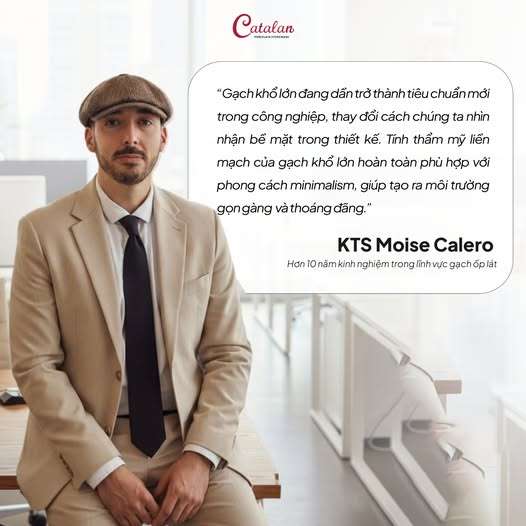
In recent years, large-format tiles have emerged as a prominent trend in modern architecture and interior design. No longer limited to high-end projects, these tiles are increasingly used in urban living spaces thanks to their ability to optimize spatial perception and elevate overall aesthetics.
At Catalan Ceramics, large-format tiles are considered one of the brand’s strategic product lines, accompanying many architects in bringing minimalist, refined, and visually sophisticated designs to life.
According to Architect Moise Calero, who has more than 10 years of experience in the tile industry, the appeal of large-format tiles comes from how well they align with contemporary design thinking and a user-centered approach.
Large-format tiles and the spirit of minimalist architecture
Architect Moise’s design approach is strongly inspired by Japanese Minimalism and the philosophy of Wabi-Sabi, where beauty comes from simplicity, naturalness, and harmony with the surrounding environment. In such spaces, materials are carefully selected not only for functionality but also for their ability to evoke subtle emotions.
Catalan’s large-format tile collections, with their smooth surfaces, clean lines, and neutral color palettes, provide an ideal foundation for designs that pursue visual simplicity while maintaining strong aesthetic value.
Expanding visual space and optimizing interiors
One of the key advantages of large-format tiles highlighted by Architect Moise is their ability to minimize grout lines. With fewer joints, surfaces appear more seamless and unified, creating a clear visual effect that makes spaces feel larger and more open.
With a user-centered perspective and a deep understanding of the limited floor area common in urban houses, Architect Moise appreciates large-format tiles for their ability to:
-
Reduce the sense of spatial fragmentation
-
Enhance openness and visual cleanliness
-
Fit naturally with minimalist and modern designs
This is also why large-format tiles are gradually becoming a standard choice in many projects recommended by architects. It is equally the direction Catalan Ceramics pursues in developing its large-format tile collections—providing material solutions that meet the practical needs of modern living spaces.
Flexible applications of large-format tiles in interior design
According to Architect Moise, large-format tiles are not limited to walls and floors. They can also be used to create interior surfaces such as tabletops, kitchen countertops, or decorative elements that require high durability.
Thanks to their stable surface quality, strong load-bearing capacity, and realistic stone or wood effects, Catalan large-format tiles offer a sense of elegance while maintaining the warmth of natural materials. At the same time, they effectively support long-term use in residential environments.
Conclusion
For Architect Moise, large-format tiles are not merely finishing materials but also a tool that allows architects to express their design thinking and creative identity. At Catalan Ceramics, each large-format tile collection is developed with the goal of supporting architects and homeowners in creating minimalist, refined, and sustainable living spaces that stand the test of time.
Related posts
16-09-2026
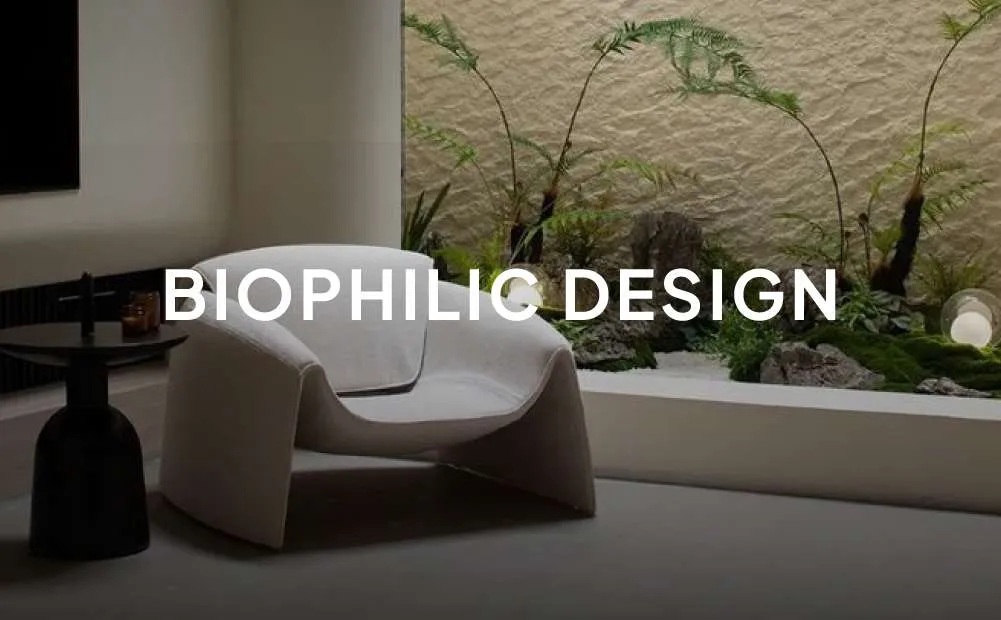
BIOPHILIC DESIGN: A DESIGN TREND THAT BRINGS NATURE INTO LIVING SPACES
In modern architecture and interior design, the trend of bringing nature into living spaces is receiving increasing attention as people spend most of their time in buildings and urban areas. Designers seek to make light, greenery, materials, forms, and experiences of nature a part of architecture.
14-09-2026
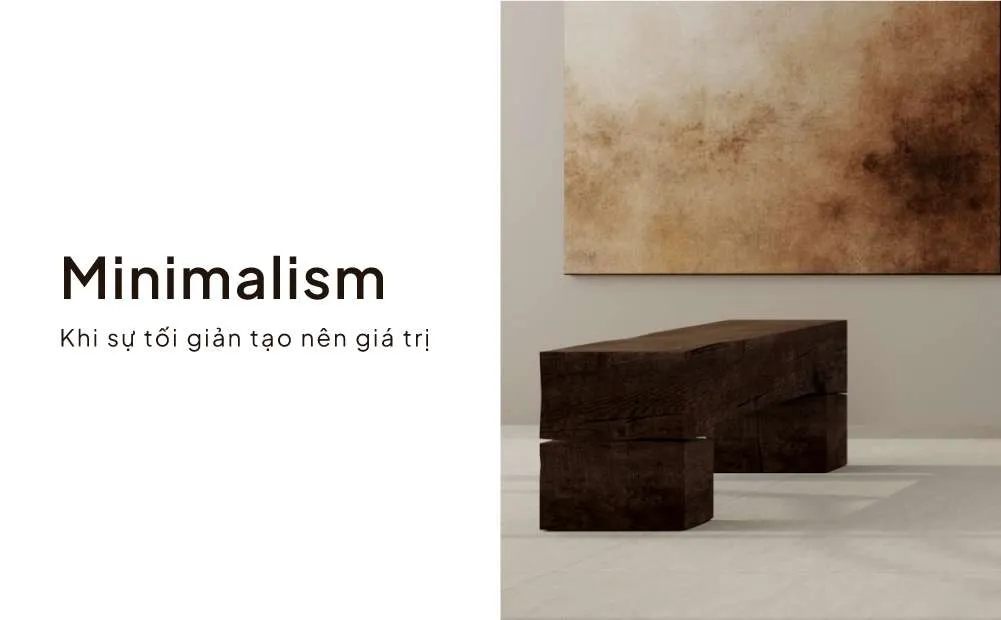
MINIMALISM: WHEN SIMPLICITY CREATES VALUE
In modern life, as people increasingly value balance and quality of living, Minimalism has become one of the most favored interior design styles. Rather than focusing on elaborate forms, Minimalism emphasizes simplicity, functionality, and essential breathing space to create a living environment that feels light, calm, and full of depth.
07-09-2026
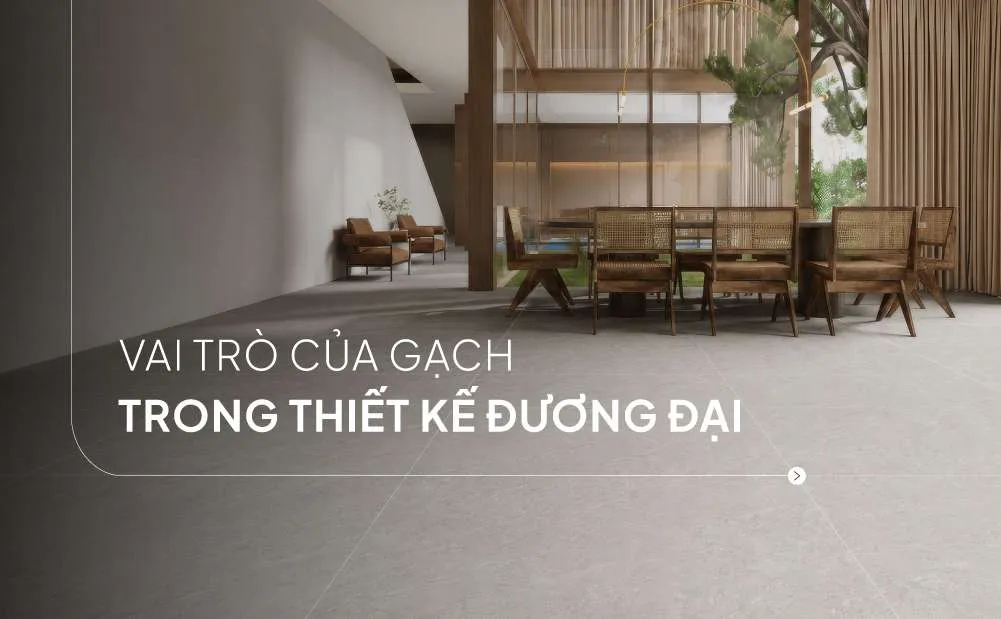
THE ROLE OF TILES IN CONTEMPORARY DESIGN
The Contemporary style allows architects and designers to flexibly combine modern lines, materials, colors, and forms to create spaces that reflect the spirit of each project. Within this overall approach, tiles are not simply a surface finishing material. With a diverse range of colors, sizes, textures, and visual effects, tiles have become an important element in shaping architectural language and creating a distinctive identity for contemporary spaces.
29-08-2026
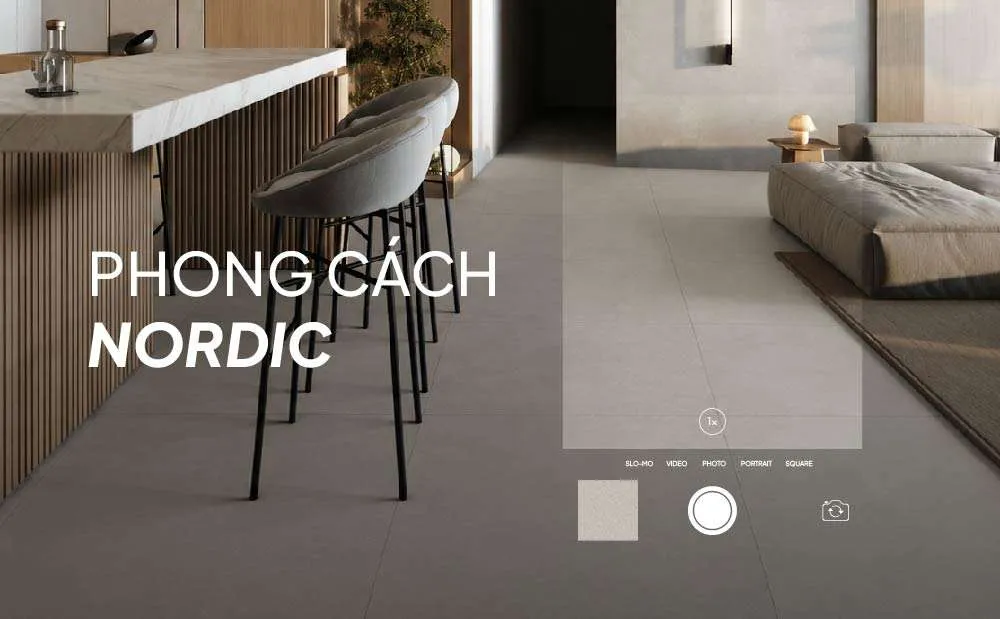
NORDIC STYLE AND TILE SELECTION TRENDS
In recent years, Nordic (Scandinavian) style has become one of the most popular interior design trends thanks to its minimalist aesthetic, refined simplicity, and strong connection to nature. Beyond furniture and wall colors, choosing the right wall and floor tiles plays an essential role in creating a harmonious, bright, and timeless living space.
29-08-2026
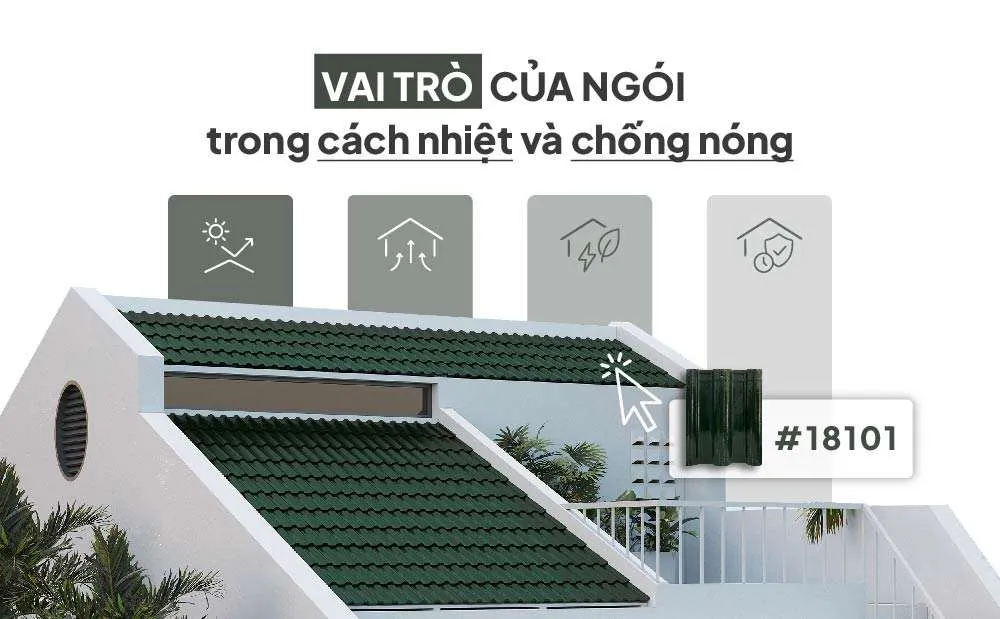
THE ROLE OF ROOF TILES IN THERMAL INSULATION AND HEAT REDUCTION FOR BUILDINGS
The roof is the part of a building that is directly exposed to sunlight, making it a major factor affecting indoor temperatures. Choosing the right roofing tiles not only enhances the aesthetic appeal of a building but also contributes to effective thermal insulation and heat reduction, creating a cooler and more energy-efficient living environment.
18-07-2026
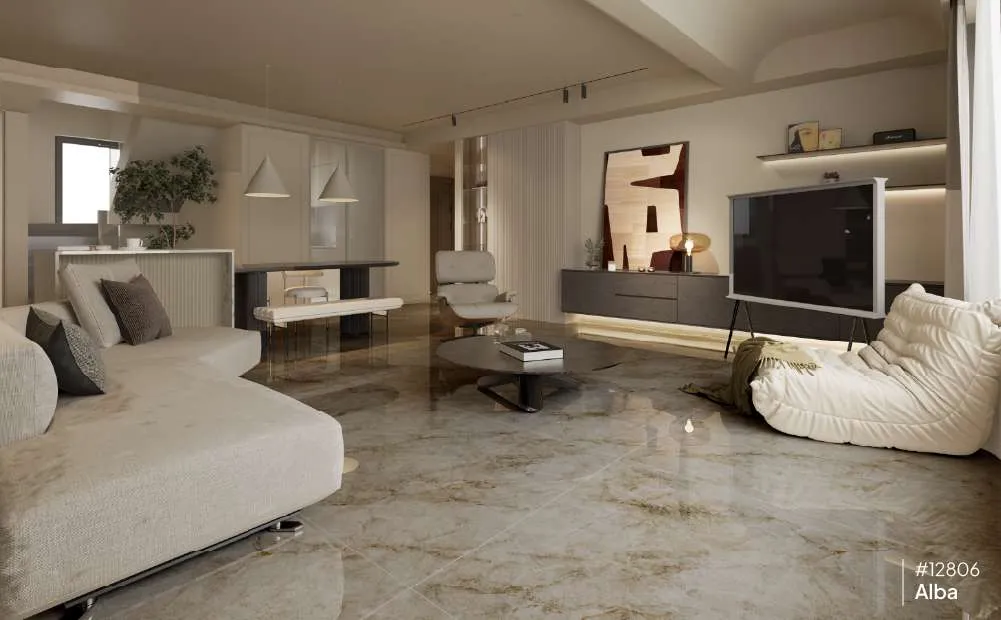
WHAT MAKES A HIGH-QUALITY BUILDING?
A beautiful building is not defined solely by its striking appearance or the latest design trends. Its true value lies in the balance between aesthetics, functionality, and long-term durability. From the initial design concept and construction quality to the selection of finishing materials, every element plays a vital role in creating a living space that is both beautiful and built to last.