Wabi Sabi and the Art of Choosing Tiles for Modern Living Spaces
As more homeowners and designers embrace nature inspired living and sustainable values, the Wabi Sabi style has become an increasingly popular choice. Beyond furniture and decorative elements, the essence of Wabi Sabi is also expressed through finishing materials, especially ceramic and porcelain tiles. So what are Wabi Sabi tiles, and how can you choose the right ones to achieve this timeless aesthetic?
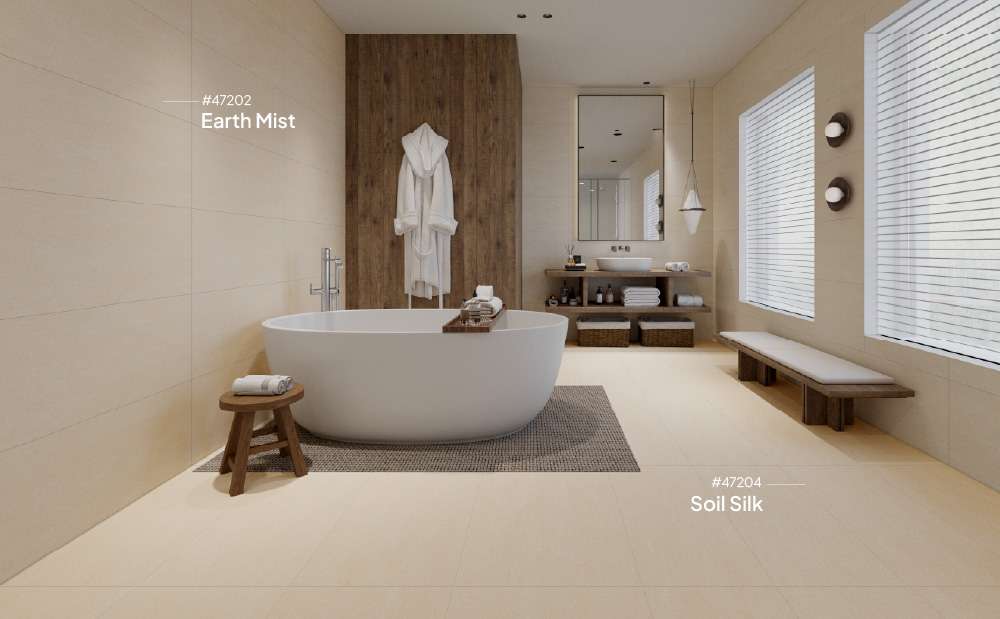
What Is Wabi Sabi?
While many modern design trends strive for perfection, precision, and polished finishes, Wabi Sabi follows a different path. It is a Japanese aesthetic philosophy that celebrates simplicity, authenticity, and the beauty found in the marks left by time.
Rooted in Zen philosophy, Wabi Sabi is built upon three core principles.
- Accepting imperfection.
- Appreciating the natural character of materials.
- Finding beauty in change and the passage of time.
Today, Wabi Sabi is not only a philosophy of life but also one of the most admired interior design styles around the world. Spaces inspired by Wabi Sabi evoke a sense of calm, relaxation, and a deep connection with nature.
Characteristics of Wabi Sabi Interior Design
Prioritizing Natural Materials
One of the defining features of Wabi Sabi is the use of natural materials such as stone, wood, terracotta, handcrafted ceramics, and linen.
Rather than concealing natural grain patterns, cracks, or variations in texture, this design philosophy embraces them as essential elements of beauty. These authentic surfaces create interiors that feel genuine, warm, and emotionally engaging.
A Neutral Color Palette Inspired by Nature
Colors in Wabi Sabi interiors are typically inspired by earth, stone, and natural landscapes. Soft beige, ivory, stone gray, earthy brown, terracotta, and muted olive green are among the most common choices. These timeless shades create a calming atmosphere while maintaining lasting visual appeal.
Minimalism with Warmth and Character
Unlike conventional minimalism, Wabi Sabi does not seek absolute emptiness. Every object within the space serves a purpose and carries its own meaning.
The simplicity of Wabi Sabi encourages a slower pace of living, emotional balance, and a sense of comfort rather than creating an environment that feels overly rigid or sterile.
The Role of Tiles in Wabi Sabi Interiors
When people think of Wabi Sabi, they often focus on furniture or decorative accessories. However, tiles play a fundamental role in shaping the atmosphere of a space.
Floors and walls occupy the largest visual surfaces in a home. Choosing the right tiles helps communicate the spirit of Wabi Sabi from the very first impression.
Natural Stone Effect Tiles
Stone inspired tiles with matte finishes are among the most popular choices for Wabi Sabi interiors.
Their subtle mineral veining and naturally varied patterns create an authentic appearance that reflects the beauty of nature. Stone gray and warm beige tones also provide an elegant foundation that complements a wide range of interior styles.
Concrete Effect Tiles
Concrete effect tiles offer a raw yet contemporary aesthetic.
Their gently shaded surfaces create visual depth without overwhelming the space. They are particularly well suited for living rooms, bedrooms, and interiors designed in both Japandi and Wabi Sabi styles.
Terracotta Effect Tiles
Terracotta has long been associated with the Wabi Sabi philosophy because of its natural warmth and strong connection to the earth.
Tiles featuring earthy brown or clay red tones bring warmth into the home while creating spaces that feel welcoming, authentic, and full of character.
Matte Surfaces Instead of Glossy Finishes
One of the key principles of Wabi Sabi design is avoiding surfaces that appear overly reflective or excessively luxurious.
For this reason, matte, sugar finish, and naturally textured surfaces are often preferred over polished tiles. These finishes create a softer atmosphere while highlighting the authentic beauty of the material itself.
How to Choose the Right Wabi Sabi Tiles
Choose Neutral Colors
Select colors inspired by nature. These timeless shades perfectly reflect the spirit of Wabi Sabi while blending effortlessly with many contemporary interior styles.
Look for Natural and Organic Patterns
The beauty of Wabi Sabi lies in authenticity. Tiles with subtle veining, delicate tonal variations, or textures inspired by natural materials are more suitable than designs with elaborate or highly repetitive patterns.
Prioritize Surfaces with Tactile Depth
Instead of selecting tiles based solely on appearance, consider how they feel as well. Stone inspired, concrete inspired, and terracotta inspired surfaces create a stronger sense of authenticity and express the essence of Wabi Sabi more effectively than flawless, highly polished finishes.
Why Are Wabi Sabi Tiles Becoming More Popular?
As modern life becomes increasingly fast paced, many people seek living environments that help restore emotional balance and reduce everyday stress.
The Wabi Sabi approach answers these needs by bringing nature into the home.
- It creates spaces that feel peaceful and comfortable.
- It avoids designs that quickly become outdated.
- It emphasizes lasting value instead of short lived trends.
- It allows interiors to retain their beauty for many years.
For these reasons, more architects, interior designers, and homeowners are choosing tiles inspired by natural materials to create living spaces that truly embody the spirit of Wabi Sabi.
Related posts
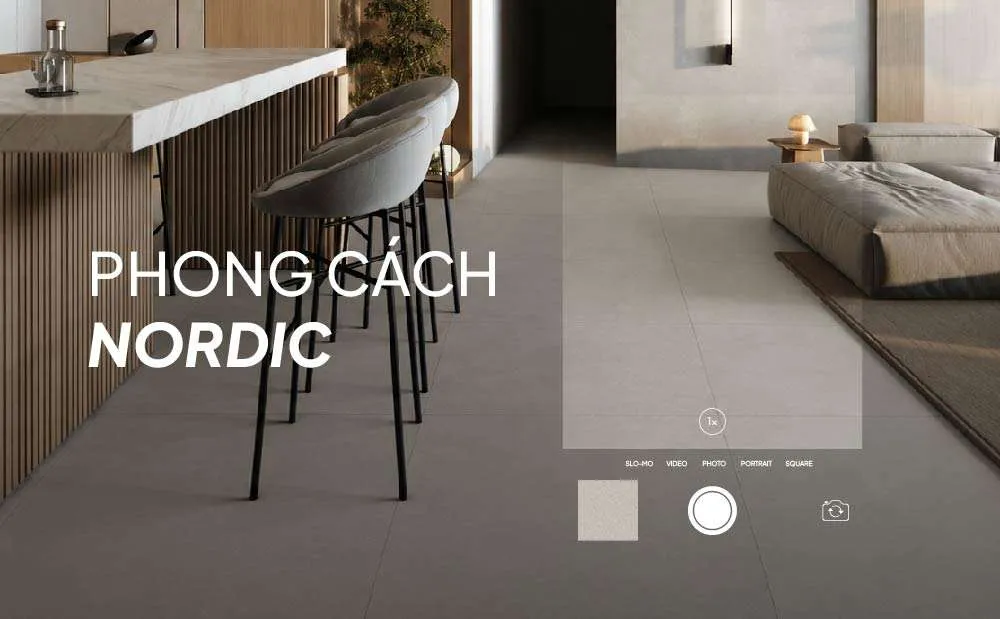
NORDIC STYLE AND TILE SELECTION TRENDS
In recent years, Nordic (Scandinavian) style has become one of the most popular interior design trends thanks to its minimalist aesthetic, refined simplicity, and strong connection to nature. Beyond furniture and wall colors, choosing the right wall and floor tiles plays an essential role in creating a harmonious, bright, and timeless living space.
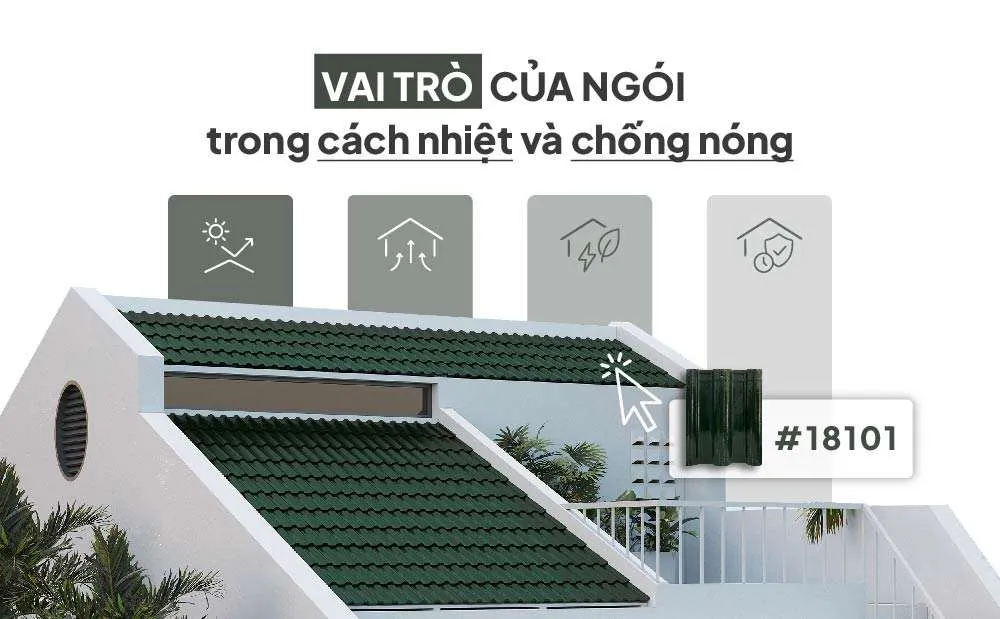
THE ROLE OF ROOF TILES IN THERMAL INSULATION AND HEAT REDUCTION FOR BUILDINGS
The roof is the part of a building that is directly exposed to sunlight, making it a major factor affecting indoor temperatures. Choosing the right roofing tiles not only enhances the aesthetic appeal of a building but also contributes to effective thermal insulation and heat reduction, creating a cooler and more energy-efficient living environment.
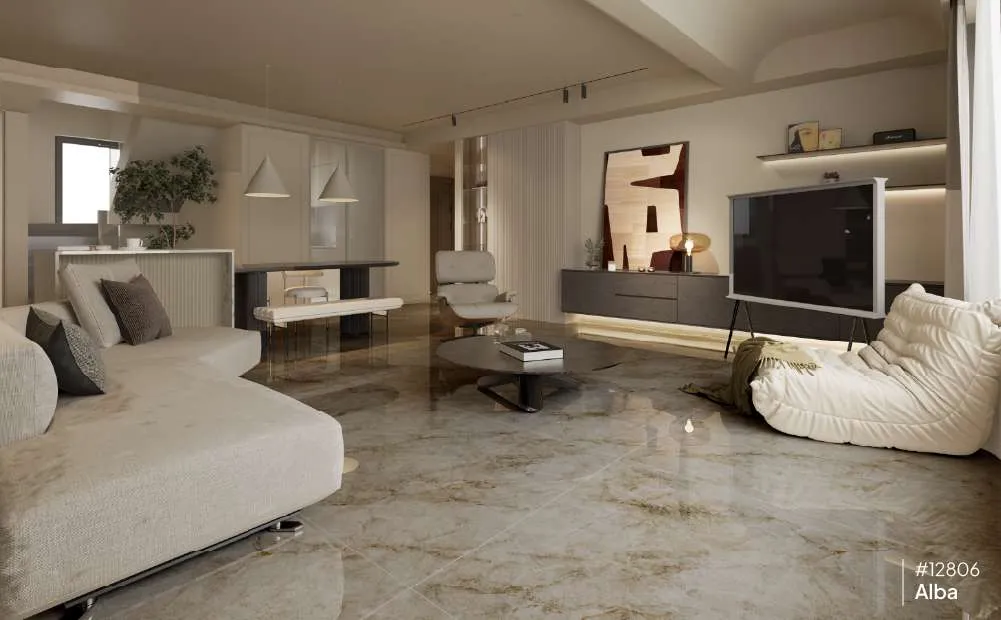
WHAT MAKES A HIGH-QUALITY BUILDING?
A beautiful building is not defined solely by its striking appearance or the latest design trends. Its true value lies in the balance between aesthetics, functionality, and long-term durability. From the initial design concept and construction quality to the selection of finishing materials, every element plays a vital role in creating a living space that is both beautiful and built to last.
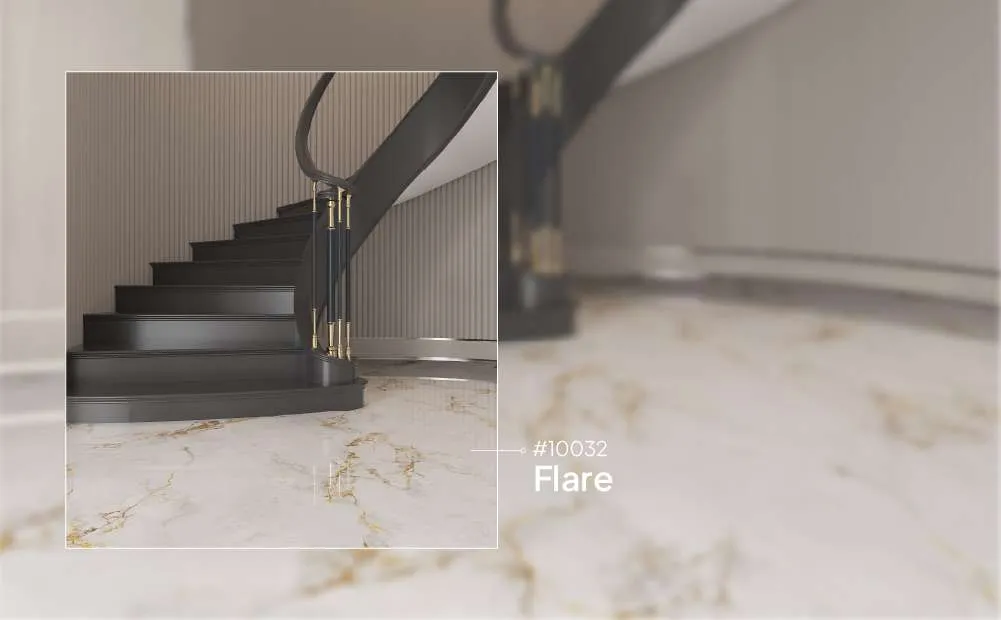
THE GROWING TREND OF POLISHED NANO TILES IN MODERN INTERIOR DESIGN
In modern interior design, bright and spacious living environments have become increasingly desirable. While layout planning and natural lighting play an essential role in achieving this effect, finishing materials are equally important. Among them, polished nano tiles stand out for their excellent light reflection, elegant appearance, and versatility across a wide range of architectural styles. As a result, they have become a preferred choice for architects and homeowners in residential, apartment, and commercial projects.
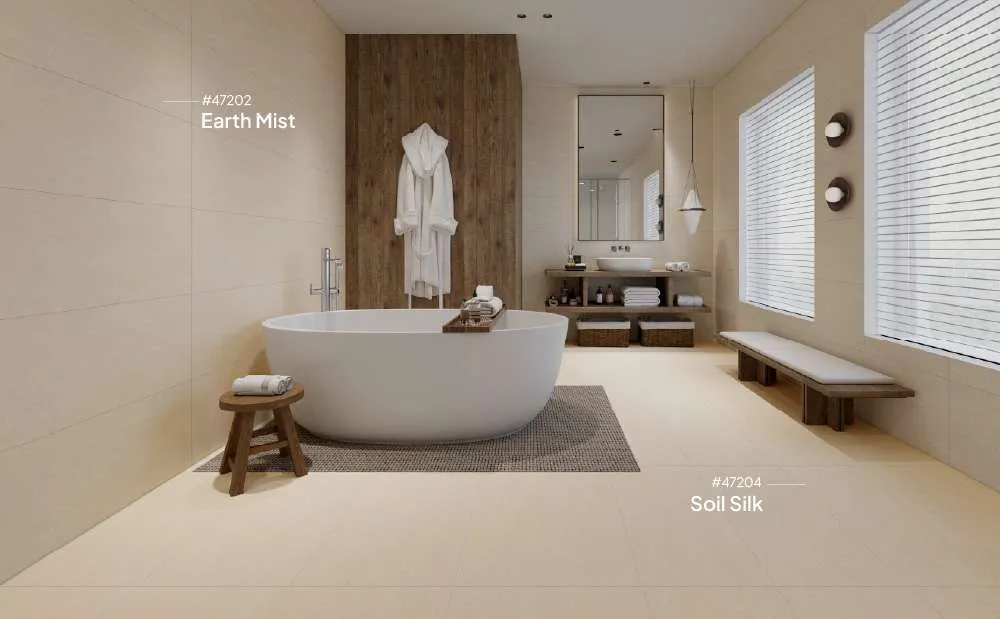
Wabi Sabi and the Art of Choosing Tiles for Modern Living Spaces
As more homeowners and designers embrace nature inspired living and sustainable values, the Wabi Sabi style has become an increasingly popular choice. Beyond furniture and decorative elements, the essence of Wabi Sabi is also expressed through finishing materials, especially ceramic and porcelain tiles. So what are Wabi Sabi tiles, and how can you choose the right ones to achieve this timeless aesthetic?
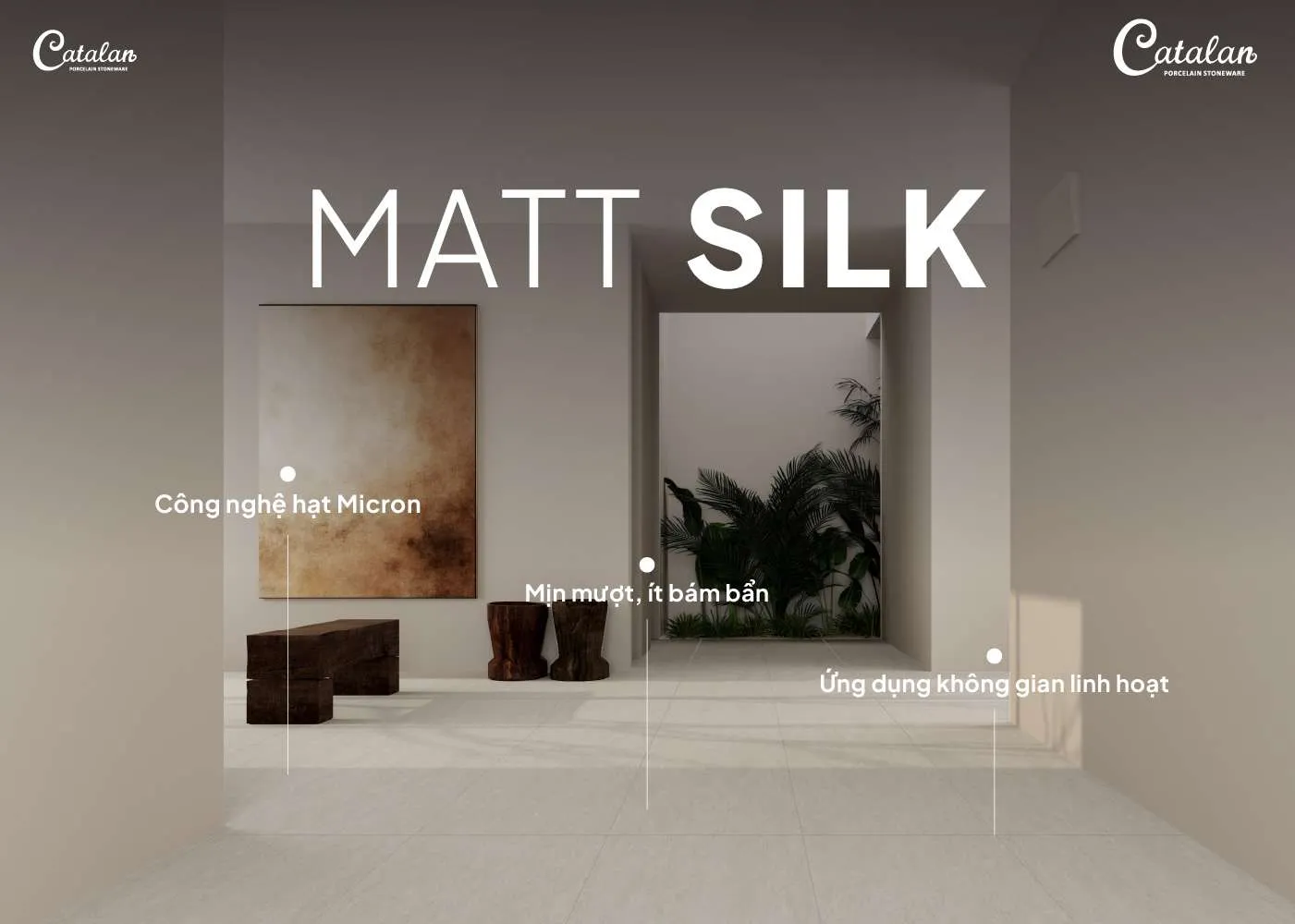
CATALAN INTRODUCES MATT SILK SURFACE – A NEW GENERATION TREND IN PORCELAIN TILES
Catalan officially unveils the Matt Silk Surface – a next-generation porcelain tile finish (silk matte), marking a significant step forward in enhancing tactile experience and everyday comfort in modern living spaces.