THE SECRET TO OPTIMIZING MODERN LIVING SPACES WITH LIGHTING AND TILES
In interior design, lighting and tiles are not just two separate elements — they are an artistic combination that defines the overall beauty of a space. When applied correctly, these two elements can transform an ordinary room into a striking and aesthetically refined environment.
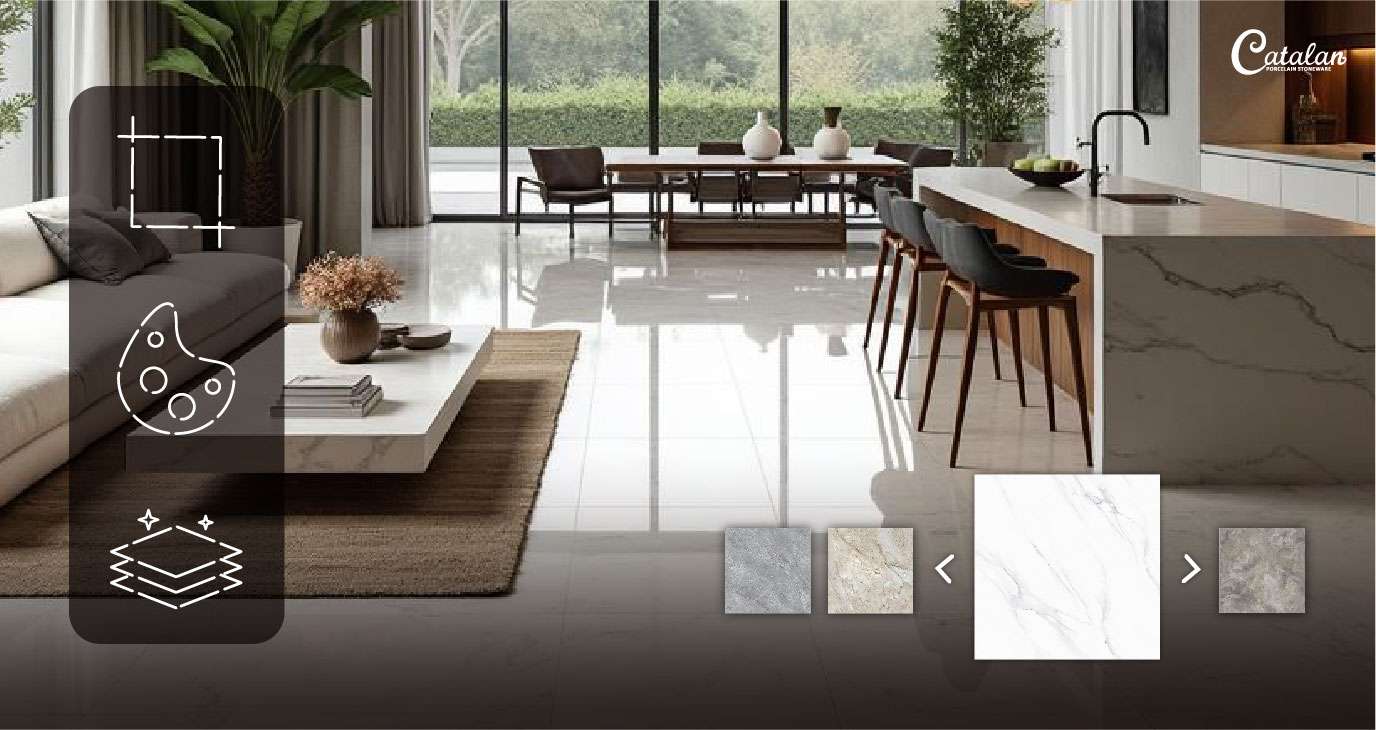
The Role of Lighting and Tiles in Modern Interior Design
In modern interior design, lighting is no longer simply a source of illumination; it has become a powerful tool for shaping space. When combined with tiles, lighting highlights textures, colors, and structures, creating a harmonious and more visually dynamic atmosphere.
Today, tiles are not only used to complete surfaces but also serve as a “design language.” Under different lighting conditions, each tile surface reveals unique tones and characteristics, contributing to a multidimensional visual experience. This is why the combination of lighting and materials has become increasingly important in high-end living spaces.
Tile Surface Effects When Combined with Lighting
One of the defining features of tiles in interior design lies in their surface finish, and lighting is the key to fully enhancing these qualities.
With polished surfaces, light reflects strongly, making spaces appear brighter, more luxurious, and visually expansive. When paired with natural light or decorative lighting systems, this reflective effect can enhance both brightness and the sense of spaciousness throughout the room.
Meanwhile, matte or textured surfaces offer a completely different experience. Light is softly diffused across the surface, creating a calm, elegant, and cozy ambiance. This makes matte finishes an ideal choice for spaces designed to promote relaxation, balance, and warmth.
Smart Lighting Placement Combined with Tile Patterns to Create Depth
An impressive space is not only about selecting beautiful tiles but also about how lighting is arranged to complement tile patterns. When these two elements are harmoniously integrated, the space becomes not only more attractive but also a true reflection of the homeowner’s personality and style.
Stone-look, wood-look, or cement-look tiles become far more vivid and dimensional when illuminated properly. Accent lighting can emphasize intricate veining and textures, creating strong artistic visual effects. On the other hand, ambient lighting helps larger patterns appear seamless and cohesive, bringing a sense of comfort and unity to the entire space.
Beyond aesthetics, the combination of tile colors and lighting temperature can also influence how spacious and inviting a room feels. Neutral-colored tiles paired with cool white lighting create an airy, modern, and open atmosphere. In contrast, darker tones combined with warm lighting evoke coziness, privacy, and depth — perfect for resting and relaxation areas.
This flexibility allows homeowners to easily define styles ranging from minimalist and contemporary to luxurious and warm, simply by choosing the right tiles and lighting solutions.
Interior Design Trends That Optimize Lighting and Materials
Modern interior design is increasingly shifting toward enhancing living experiences and emotional connection within spaces. Rather than focusing on excessive ornamentation or bold colors, current trends emphasize how lighting interacts with materials to create depth and a distinctive identity for each environment.
Some notable trends today include:
- Prioritizing natural light combined with layered lighting systems
- Using tiles with realistic textures and natural-looking patterns
- Applying neutral color palettes for greater flexibility and timeless aesthetics
- Embracing minimalism while focusing on material quality and lighting effects
The combination of lighting and tiles is not merely a design solution — it is an art form that creates emotionally engaging living spaces. When understood and applied effectively, every tile surface and every light source can become a focal point that shapes personal style and elevates the quality of life.
Related posts
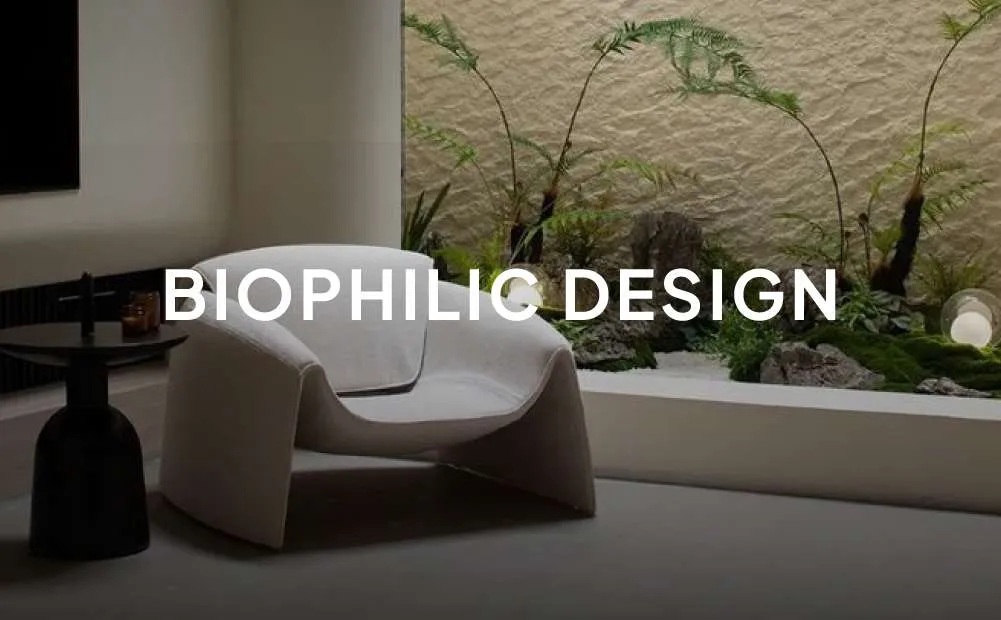
BIOPHILIC DESIGN: A DESIGN TREND THAT BRINGS NATURE INTO LIVING SPACES
In modern architecture and interior design, the trend of bringing nature into living spaces is receiving increasing attention as people spend most of their time in buildings and urban areas. Designers seek to make light, greenery, materials, forms, and experiences of nature a part of architecture.
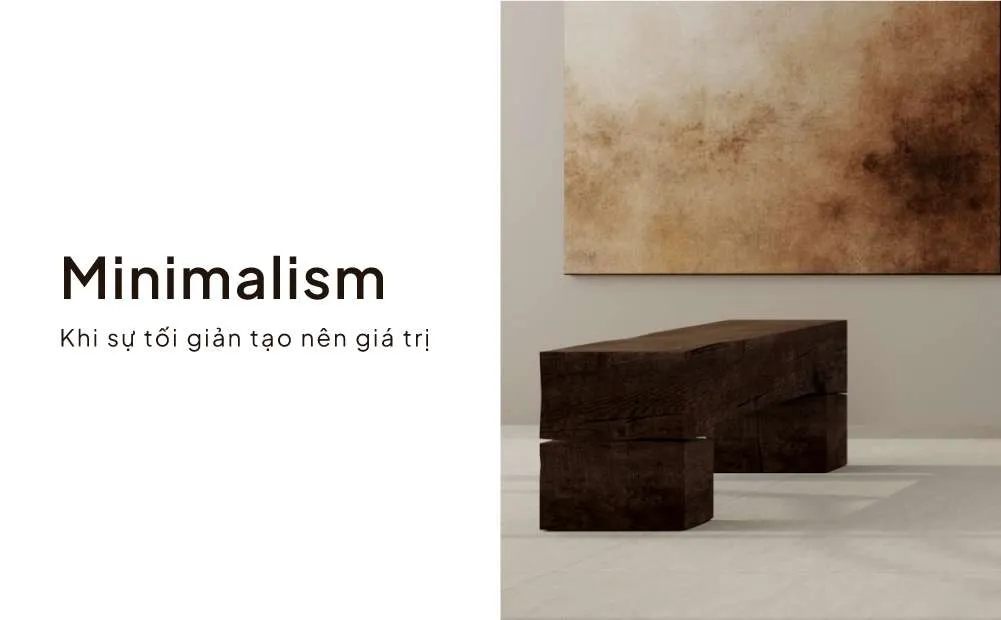
MINIMALISM: WHEN SIMPLICITY CREATES VALUE
In modern life, as people increasingly value balance and quality of living, Minimalism has become one of the most favored interior design styles. Rather than focusing on elaborate forms, Minimalism emphasizes simplicity, functionality, and essential breathing space to create a living environment that feels light, calm, and full of depth.
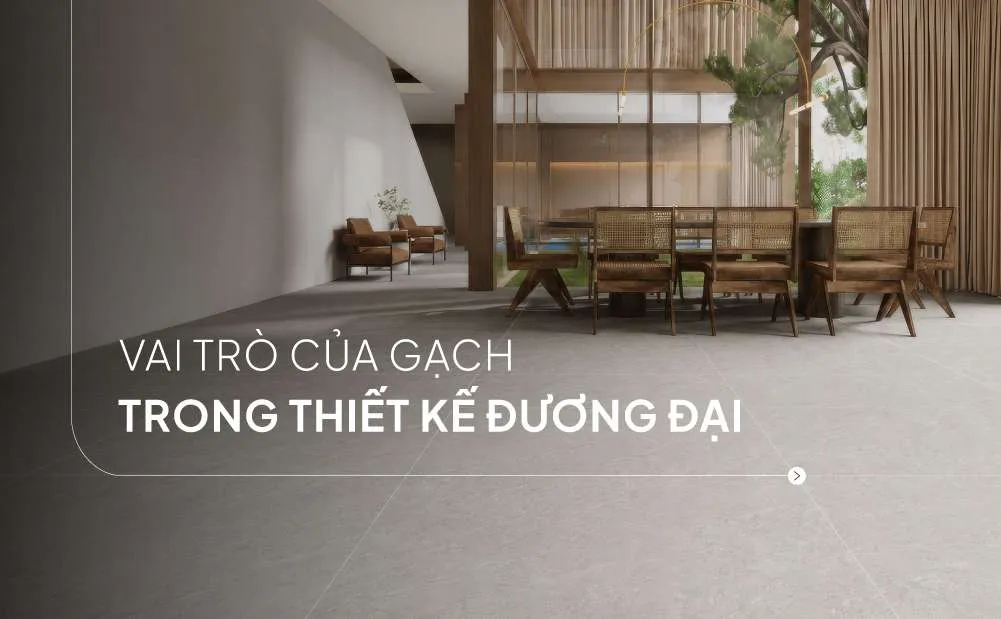
THE ROLE OF TILES IN CONTEMPORARY DESIGN
The Contemporary style allows architects and designers to flexibly combine modern lines, materials, colors, and forms to create spaces that reflect the spirit of each project. Within this overall approach, tiles are not simply a surface finishing material. With a diverse range of colors, sizes, textures, and visual effects, tiles have become an important element in shaping architectural language and creating a distinctive identity for contemporary spaces.
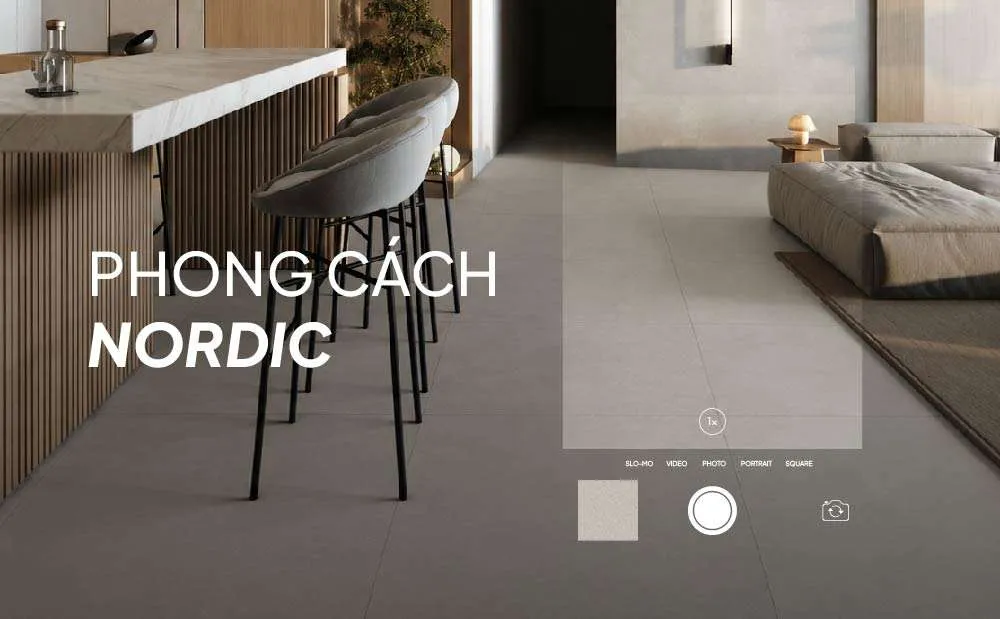
NORDIC STYLE AND TILE SELECTION TRENDS
In recent years, Nordic (Scandinavian) style has become one of the most popular interior design trends thanks to its minimalist aesthetic, refined simplicity, and strong connection to nature. Beyond furniture and wall colors, choosing the right wall and floor tiles plays an essential role in creating a harmonious, bright, and timeless living space.
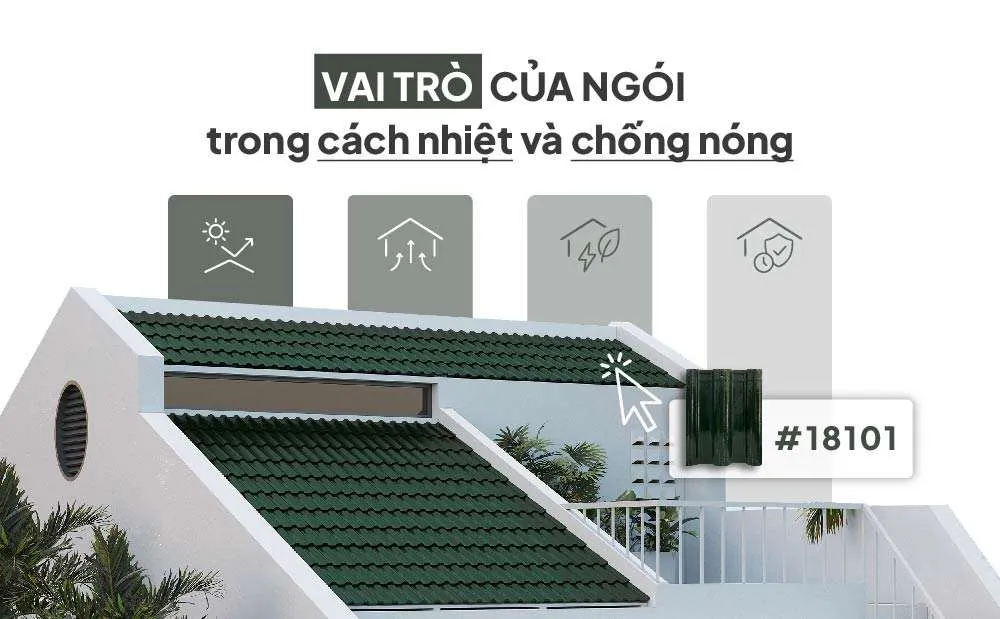
THE ROLE OF ROOF TILES IN THERMAL INSULATION AND HEAT REDUCTION FOR BUILDINGS
The roof is the part of a building that is directly exposed to sunlight, making it a major factor affecting indoor temperatures. Choosing the right roofing tiles not only enhances the aesthetic appeal of a building but also contributes to effective thermal insulation and heat reduction, creating a cooler and more energy-efficient living environment.
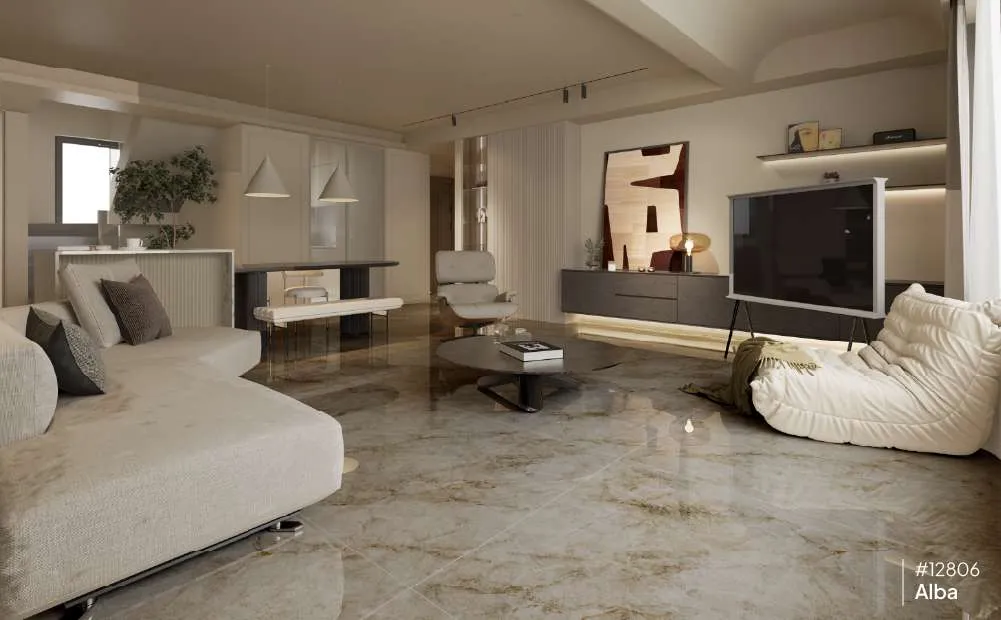
WHAT MAKES A HIGH-QUALITY BUILDING?
A beautiful building is not defined solely by its striking appearance or the latest design trends. Its true value lies in the balance between aesthetics, functionality, and long-term durability. From the initial design concept and construction quality to the selection of finishing materials, every element plays a vital role in creating a living space that is both beautiful and built to last.