QUIET LUXURY: THE INTERIOR DESIGN TREND SHAPING A NEW STANDARD OF ELEGANCE
Quiet Luxury has emerged as one of the most influential interior design trends worldwide. Rather than pursuing ostentatious aesthetics or overly elaborate details, this approach emphasizes refined materials, spatial harmony, and enduring value that stands the test of time.
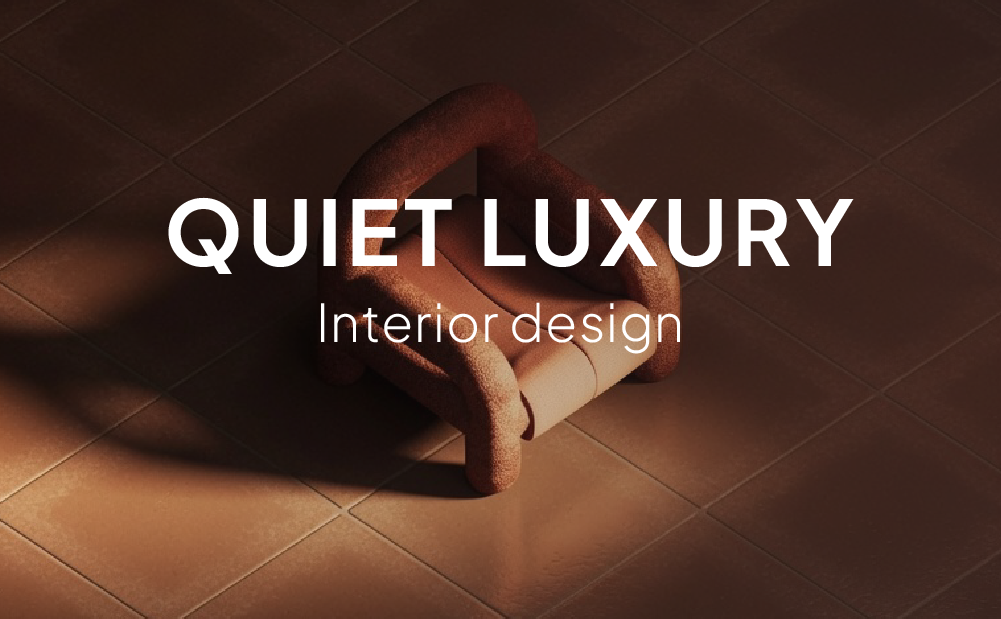
What Is Quiet Luxury?
Quiet Luxury can be described as understated sophistication, where status is not expressed through display but through quality, simplicity, and timeless aesthetics.
In interior design, Quiet Luxury prioritizes the living experience over visual extravagance. Spaces designed in this style often feature a calm and minimalist appearance while creating emotional depth through lighting, materials, and thoughtful composition.
Unlike trend driven interiors that can quickly become outdated, Quiet Luxury focuses on lasting values. Neutral color palettes, natural materials, and clean designs are carefully crafted with exceptional attention to detail and finish.
This is one of the reasons why the style continues to gain popularity among young homeowners, architects, and premium spaces such as villas, resorts, showrooms, and luxury apartments.
Materials: The Foundation of Quiet Luxury
If color shapes visual perception, materials define the depth and quality of a space.
Within the Quiet Luxury aesthetic, natural materials and authentic surfaces take center stage. These may include natural stone with soft veining, warm toned wood that promotes relaxation, matte finished metals that introduce a contemporary touch, and linen or textured fabrics that enhance tactile richness.
Tiles have become increasingly important in shaping the overall character of a space. No longer viewed simply as a finishing material, modern tiles have evolved into an integral part of the interior design language.
Large format porcelain tiles featuring natural stone inspired patterns and matte or satin surfaces are widely used in Quiet Luxury interiors because they create a seamless, refined appearance while maintaining visual depth.
Why Large Format Porcelain Tiles Complement Quiet Luxury
One of the defining characteristics of Quiet Luxury is intentional simplicity. This makes large format porcelain tiles an ideal choice, as they minimize grout lines and create a more spacious and continuous visual effect.
At the same time, advances in porcelain manufacturing have made stone inspired surfaces remarkably realistic, delivering a sense of luxury without appearing excessive. Shades such as beige, ivory, greige, and soft stone gray are especially favored for their ability to create elegant, calming environments with long term appeal.
Beyond aesthetics, porcelain tiles also align with the concept of sustainable luxury. Their durability, longevity, and ease of maintenance make them a practical choice for spaces designed to endure over time.
As a result, they have become a preferred material in many contemporary luxury projects today.
Color and Surface Finishes in Quiet Luxury Interiors
Quiet Luxury avoids strong contrasts and overly vibrant color schemes. Instead, neutral palettes serve as the foundation for creating a sense of balance, comfort, and tranquility.
Cream, beige, light brown, stone gray, and warm white tones are commonly used throughout interiors inspired by this style. When paired with matte or satin finishes, these colors contribute to a softer and more sophisticated atmosphere, avoiding the glossy appearance often associated with showcase driven design.
This is also why materials with natural surface effects are becoming increasingly prominent within the modern interior and building materials industry.
A Lifestyle for the Future
Quiet Luxury is more than an interior design style. It reflects a broader shift in contemporary living, one that values personal experience, meaningful simplicity, and long term functionality.
A beautiful space does not necessarily require extravagant details or excessive ornamentation. Often, true sophistication lies in the harmony of materials, light, and emotion.
As designers and homeowners continue to redefine modern living, finishing materials, especially tiles, are playing an increasingly important role in creating spaces that are refined, enduring, and capable of transcending short lived trends.
Related posts
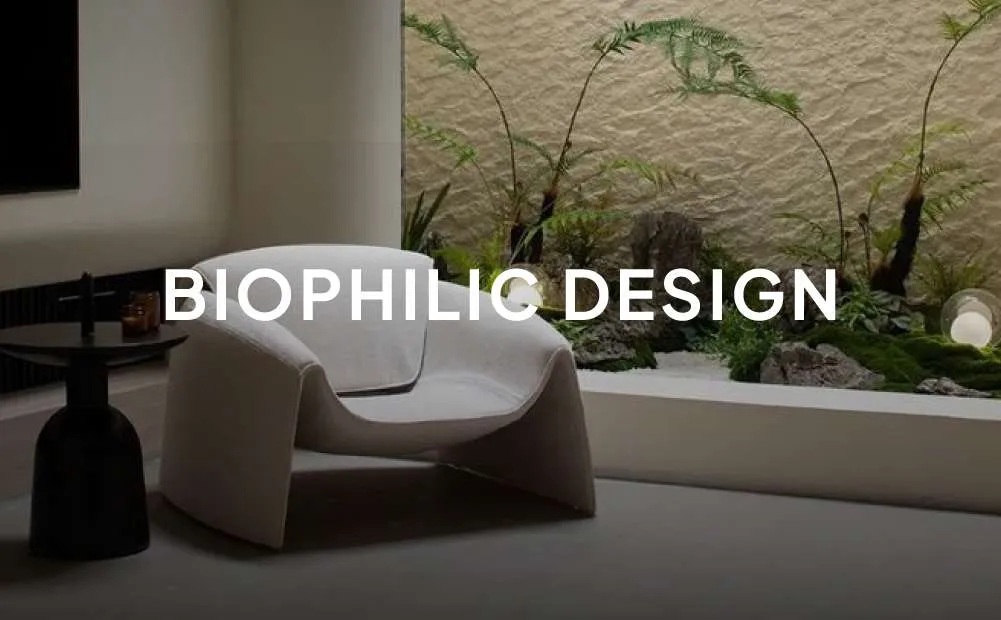
BIOPHILIC DESIGN: A DESIGN TREND THAT BRINGS NATURE INTO LIVING SPACES
In modern architecture and interior design, the trend of bringing nature into living spaces is receiving increasing attention as people spend most of their time in buildings and urban areas. Designers seek to make light, greenery, materials, forms, and experiences of nature a part of architecture.
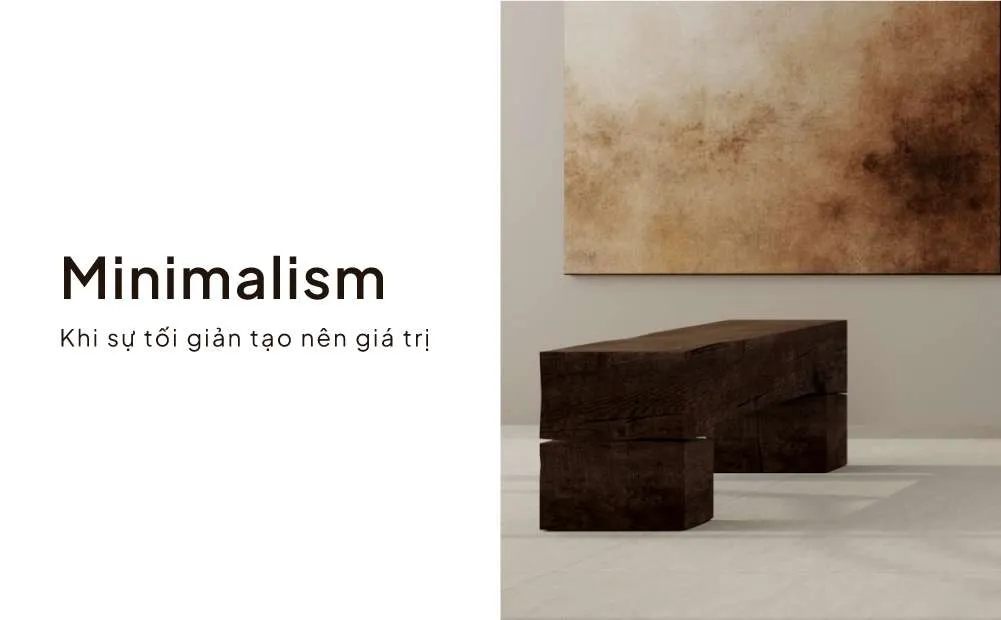
MINIMALISM: WHEN SIMPLICITY CREATES VALUE
In modern life, as people increasingly value balance and quality of living, Minimalism has become one of the most favored interior design styles. Rather than focusing on elaborate forms, Minimalism emphasizes simplicity, functionality, and essential breathing space to create a living environment that feels light, calm, and full of depth.
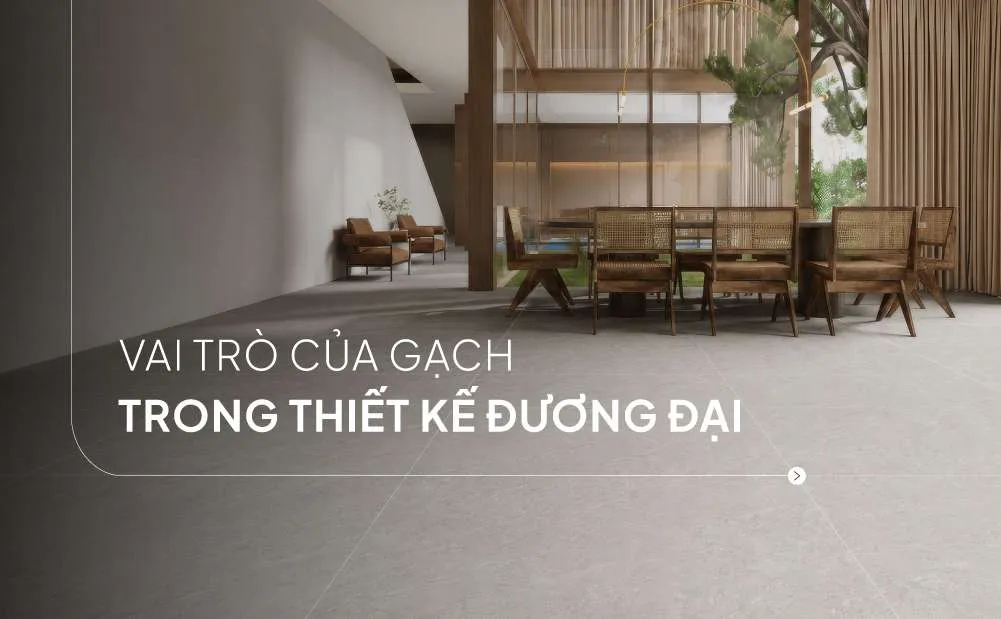
THE ROLE OF TILES IN CONTEMPORARY DESIGN
The Contemporary style allows architects and designers to flexibly combine modern lines, materials, colors, and forms to create spaces that reflect the spirit of each project. Within this overall approach, tiles are not simply a surface finishing material. With a diverse range of colors, sizes, textures, and visual effects, tiles have become an important element in shaping architectural language and creating a distinctive identity for contemporary spaces.
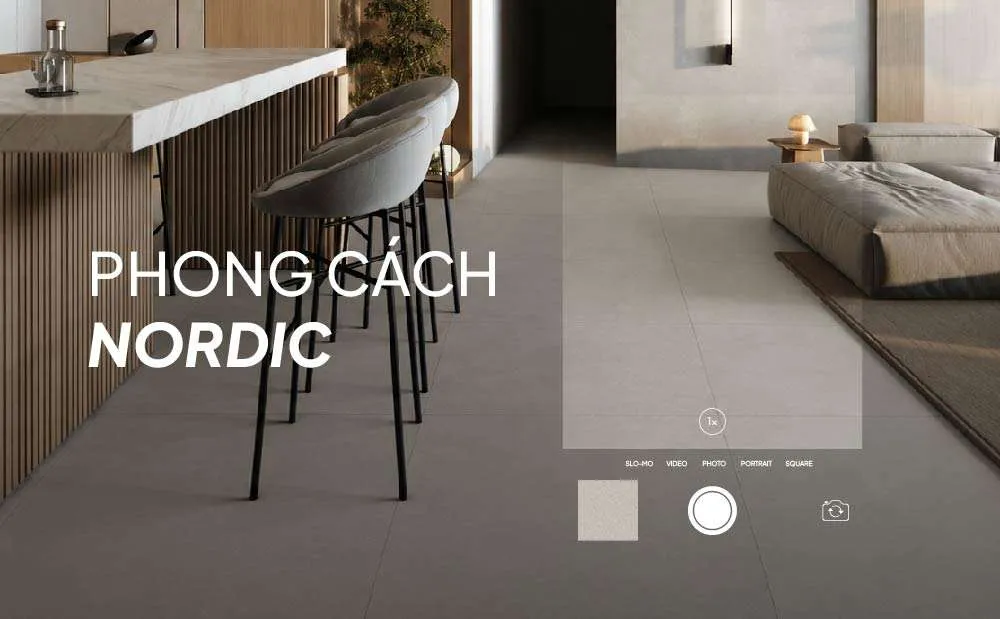
NORDIC STYLE AND TILE SELECTION TRENDS
In recent years, Nordic (Scandinavian) style has become one of the most popular interior design trends thanks to its minimalist aesthetic, refined simplicity, and strong connection to nature. Beyond furniture and wall colors, choosing the right wall and floor tiles plays an essential role in creating a harmonious, bright, and timeless living space.
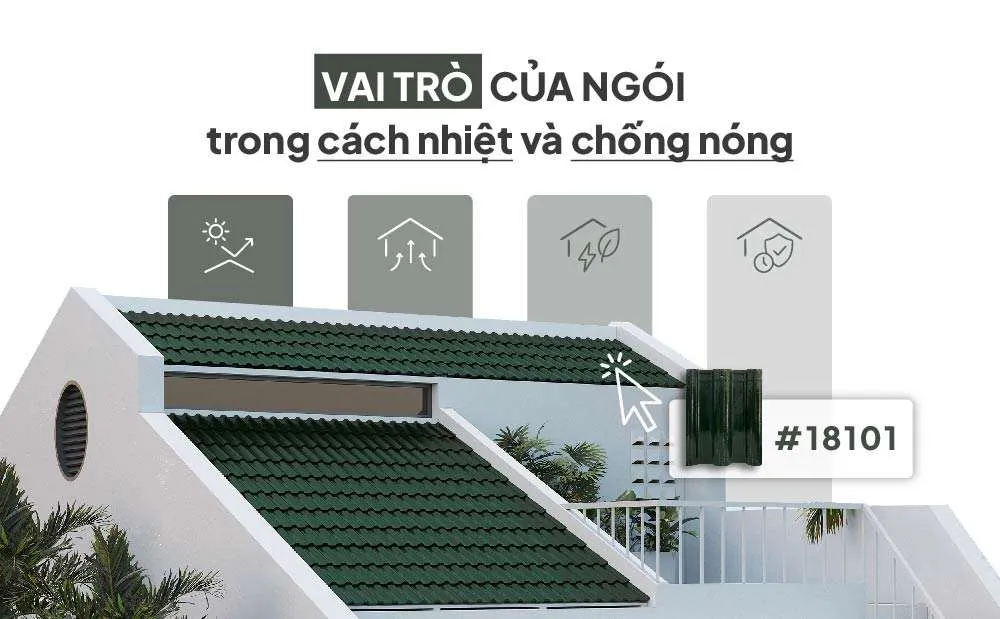
THE ROLE OF ROOF TILES IN THERMAL INSULATION AND HEAT REDUCTION FOR BUILDINGS
The roof is the part of a building that is directly exposed to sunlight, making it a major factor affecting indoor temperatures. Choosing the right roofing tiles not only enhances the aesthetic appeal of a building but also contributes to effective thermal insulation and heat reduction, creating a cooler and more energy-efficient living environment.
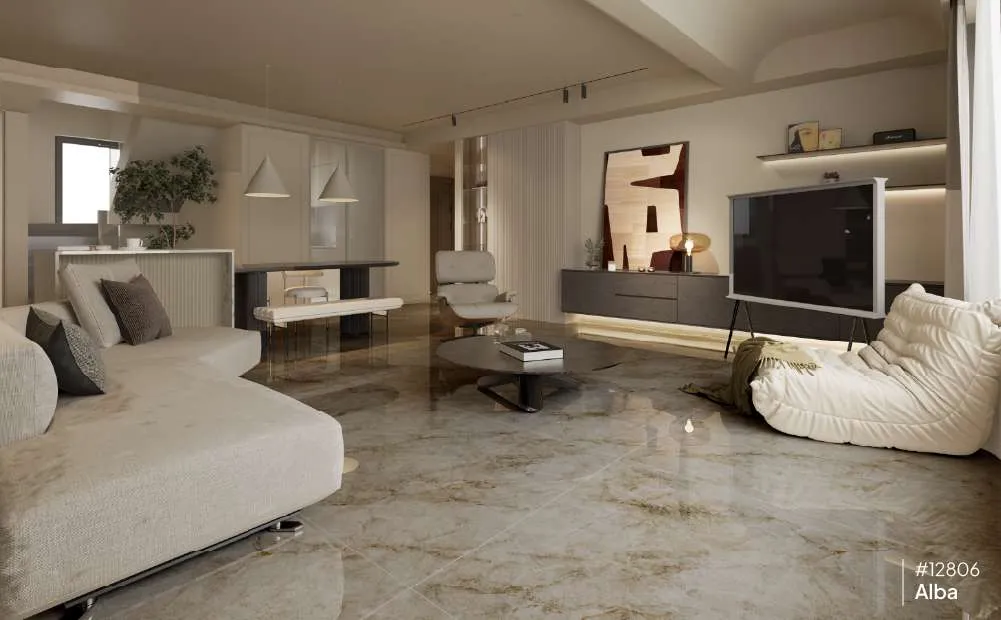
WHAT MAKES A HIGH-QUALITY BUILDING?
A beautiful building is not defined solely by its striking appearance or the latest design trends. Its true value lies in the balance between aesthetics, functionality, and long-term durability. From the initial design concept and construction quality to the selection of finishing materials, every element plays a vital role in creating a living space that is both beautiful and built to last.