Which Spaces Are Large-Format Tiles Suitable For?
Large-format tiles are increasingly being used in modern architecture thanks to their high aesthetic appeal and ability to create seamless surfaces. So, which spaces are large-format tiles best suited for? Let’s explore with Catalan Ceramics.
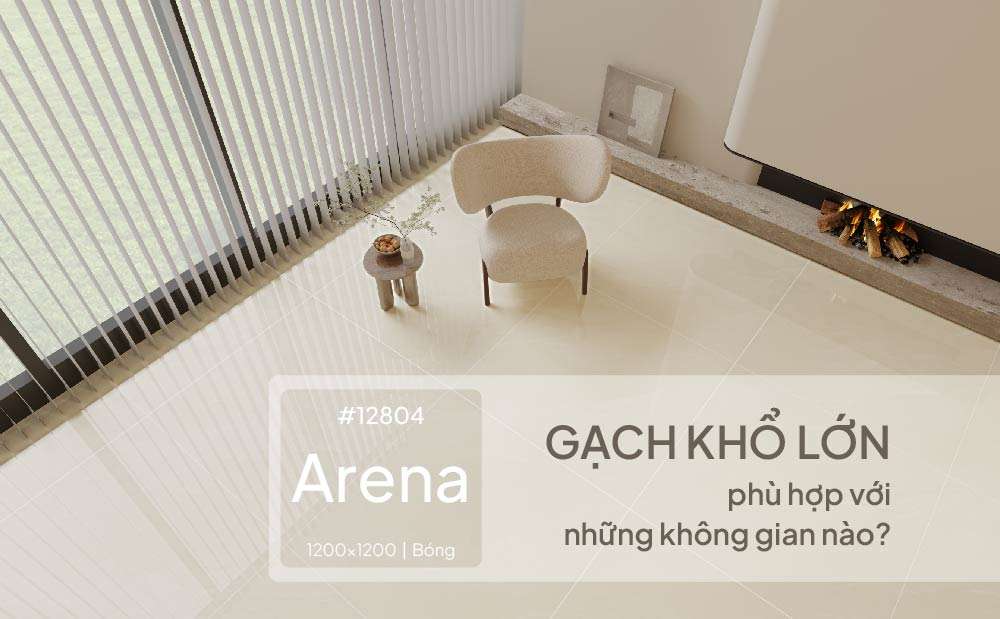
Large-Format Tiles – A Popular Material Trend in Modern Architecture
In recent years, large-format tiles have emerged as a prominent trend in architecture and interior design. Significantly larger than traditional tile formats, these tiles create seamless surfaces, reduce the number of grout lines, and bring a sophisticated, luxurious feel to a space.
Beyond meeting aesthetic requirements, large-format tiles can also enhance the overall value of a space and complement a wide range of design styles, from modern and minimalist to high-end interiors. However, to maximize their benefits, tile selection should be based on the characteristics of each space rather than simply following the latest trends.
Which Spaces Are Large-Format Tiles Suitable For?
Large Spaces
Large spaces are the ideal setting for large-format tiles. When the floor or wall area is sufficiently spacious, larger tiles help minimize visual interruptions, creating a cohesive and harmonious overall look.
With fewer grout lines, the space appears more open, sophisticated, and visually deeper compared with spaces finished with smaller-format tiles.
Modern and Minimalist Spaces
Modern architecture often emphasizes clean lines and streamlined materials. Large-format tiles are particularly well suited to this approach, thanks to their ability to create continuous surfaces, minimize unnecessary details, and give the overall design a clean and refined appearance.
In particular, large-format tiles featuring stone, concrete, or natural-effect finishes are often favored in projects inspired by Minimalism, Contemporary, and Modern Luxury styles.
Spaces Where a More Spacious Feel Is Desired
One of the key advantages of large-format tiles is their ability to enhance the perceived size of a space. By minimizing grout lines, they create fewer visual interruptions, making the area feel more spacious and open than it actually is.
This is a solution frequently chosen by architects who want to enhance the visual impact of a project without making structural changes to the space.
Spaces That Emphasize Aesthetics and Luxury
Projects that prioritize high aesthetic value often favor large-format tiles because they allow the full beauty of patterns and surface designs to be showcased.
Compared with smaller tiles, large-format tiles allow patterns to flow more continuously, naturally, and realistically across the surface. This is especially important for tile collections inspired by natural stone, marble, and other premium materials.
Key Advantages of Large-Format Tiles
In addition to their versatility, large-format tiles offer a number of notable benefits:
- Create a seamless, contemporary look.
- Reduce the number of grout lines and enhance overall aesthetics.
- Make cleaning and maintenance more convenient.
- Highlight the beauty of stone, concrete, and other decorative surface effects.
- Enhance the aesthetic value of both residential and commercial spaces.
Things to Consider When Choosing Large-Format Tiles
To achieve the best results, homeowners and installation teams should consider the following factors:
- Choose a tile size that is appropriate for the actual dimensions of the space.
- Ensure that the substrate meets the required technical standards before installation.
- Use suitable tile adhesive and installation methods based on the size and specifications of the tiles.
- Consider colors and patterns carefully to ensure harmony with the overall architectural style.
Large-format tiles are particularly well suited to spacious interiors, modern architectural projects, areas where a more open and airy feel is desired, and projects that place a strong emphasis on aesthetics. Choosing the right tile will help maximize the material’s potential while enhancing the quality and visual appeal of both living and working spaces.
Related posts
Which Spaces Are Large-Format Tiles Suitable For?
Large-format tiles are increasingly being used in modern architecture thanks to their high aesthetic appeal and ability to create seamless surfaces. So, which spaces are large-format tiles best suited for? Let’s explore with Catalan Ceramics.
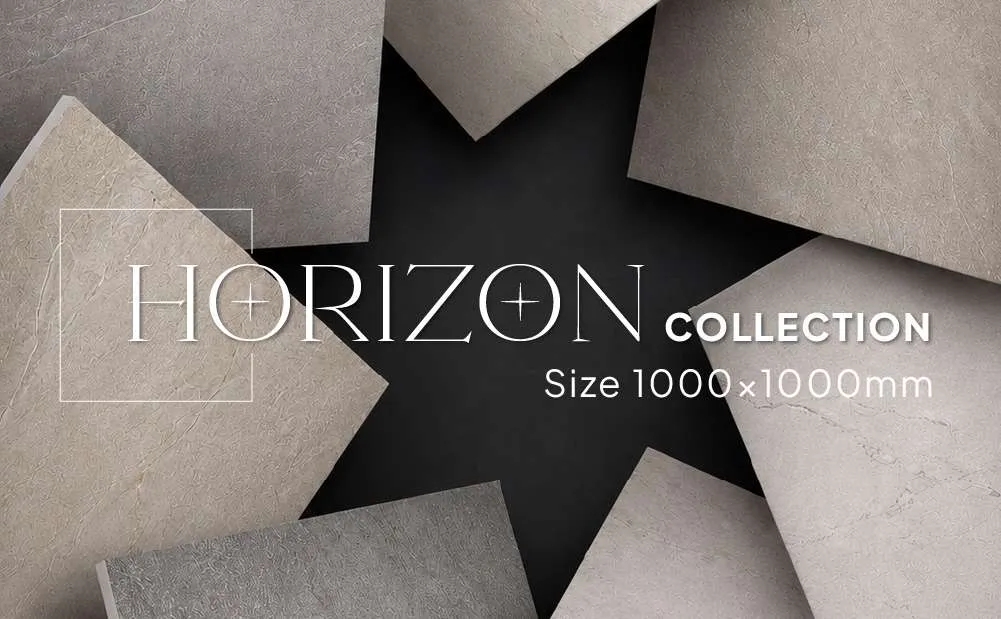
HORIZON 2026 INTRODUCES 1000x1000MM MATT SURFACES
Catalan officially unvees the new 1000x1000mm format within the Horizon Collection, marking the brand’s first large-format development featuring premium matt surfaces. More than simply an expansion in size, this launch represents a new milestone in Catalan’s commitment to elevating contemporary living spaces.
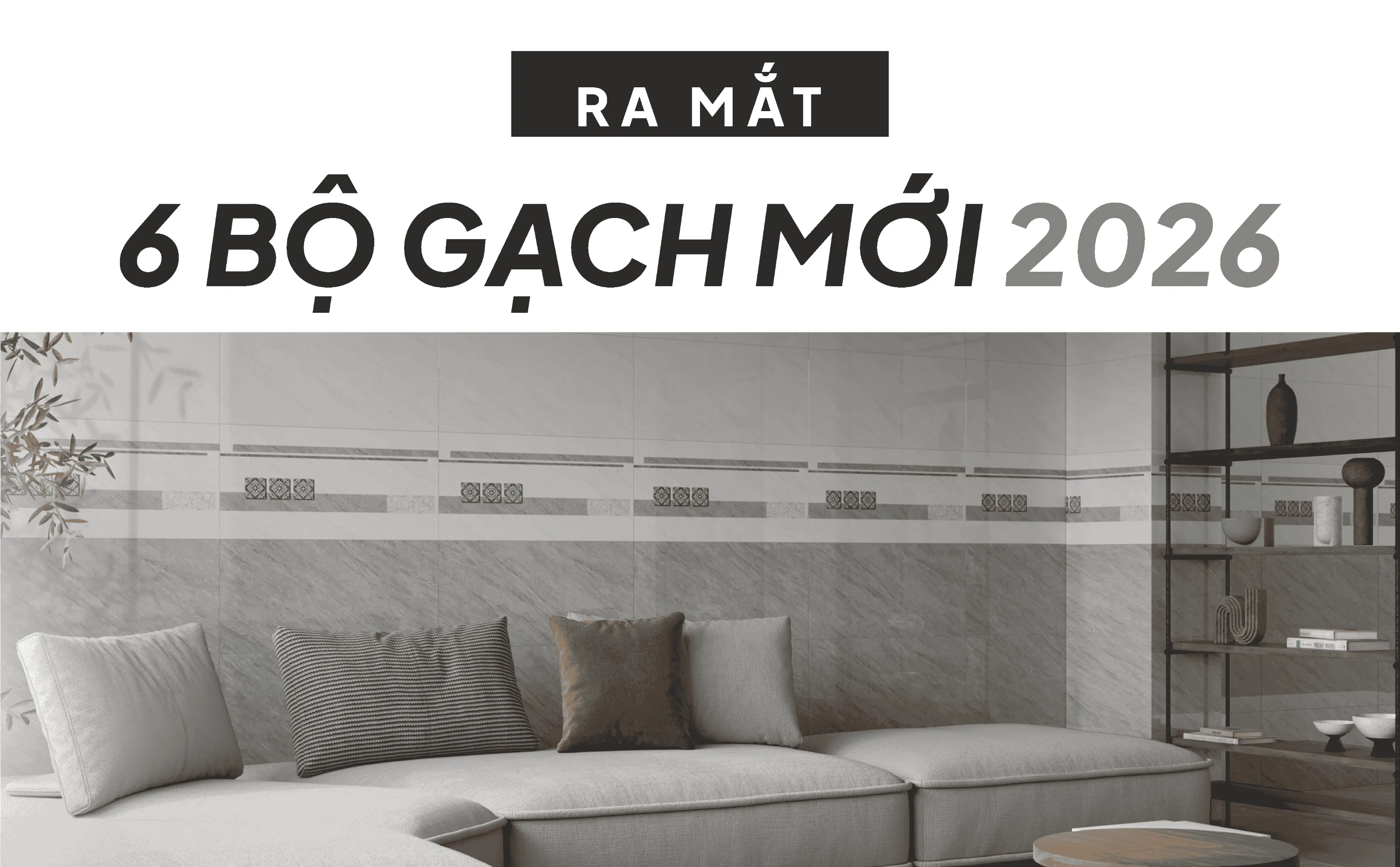
CATALAN INTRODUCES 6 NEW COMBO COLLECTIONS FOR 2026
For the Spring and Summer 2026 season, Catalan continues to introduce complete 400x800mm wall tile collections, developed in line with modern design trends through the harmonious combination of base tiles and decorative accent tiles.

LAUNCHING THE HORIZON COLLECTION – BEYOND THE HORIZON, INTO THE STARS
Catalan officially unveils the Horizon 2026 Collection — a series inspired by the horizon line, where earth, stone, sand, and minerals converge in perfect harmony. Through a minimalist design language and the depth of natural materials, Horizon creates a spatial experience that feels light, modern, and emotionally resonant.
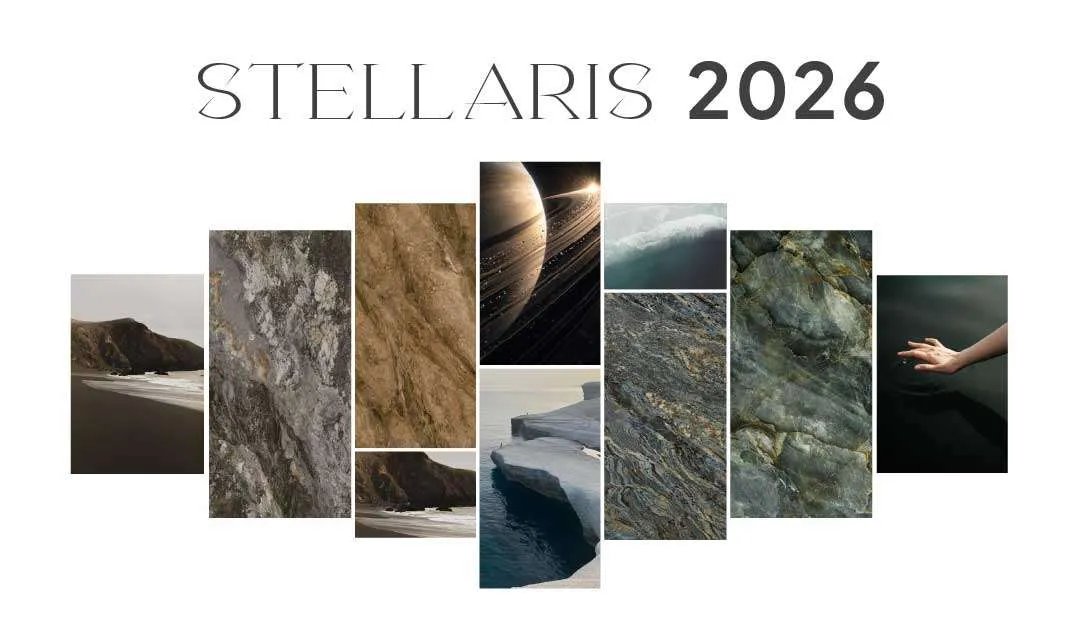
LAUNCHING THE STELLARIS COLLECTION – CHAPTER 2: INTO THE STARS
Following the journey of Horizon, where the beauty of nature was expressed through earth, stone, and minerals, the Stellaris Collection marks a new chapter — one where materials evolve into energy and emotion within the limitless expanse of the universe.

LAUNCHING THE NEW 2026 800x800MM POLISHED COLLECTION – TOUCHING THE DEPTH OF LIGHT
For the 2026 launch season, alongside its key collections, Catalan continues to introduce a new line of 800x800mm Polished tiles featuring a variety of contemporary stone-inspired designs — embracing a minimalist spirit while still delivering rich visual emotion.