Marble - Look Tiles and Neoclassical Style: How Balance Creates Elegance
Neoclassical style is defined by a balance between classical character and a modern sensibility. Within this overall look, marble-look tiles are often used to add depth and create focal points, from living-room floors to entrance halls and corridors.
So what makes Neoclassical style beautiful? Why does marble suit this aesthetic, and how can marble-look tiles be selected and used in a way that preserves its sense of balance?
What Is Neoclassical Style? Its Defining Features and Appeal in Today’s Homes
Neoclassical style emerged in the second half of the 18th century, when artists and architects returned to the art of ancient Greece and Rome in reaction to the elaborate ornamentation of Rococo. According to Britannica, Neoclassical art began in the 1760s. The rediscovery of Pompeii and Herculaneum, which began in the late 1740s, together with the writings of Winckelmann, provided major impetus for the movement.
In contemporary interiors, Neoclassical style is typically identified by four features:
Symmetrical layouts, with balanced proportions between wall sections, doors and furniture.
Mouldings and wall panels, from ceiling cornices to framed wall treatments, creating rhythm across architectural surfaces.
A neutral palette of white, cream, beige or grey, with deeper colours reserved for accents.
Gold- or bronze-toned metal details, paired with chandeliers, wood and stone.
The most important element is the style’s restraint. In its article “Neoclassical Style and Its Application in Interior Design,” Catalan contrasts traditional classical interiors—which tend to emphasise grandeur through elaborate carvings and dark colours, sometimes making a space feel heavy—with Neoclassical interiors, which are more restrained and lighter while remaining sophisticated. This balance makes Neoclassical style suitable for both apartments and spacious villas.
Why Marble Fits the Neoclassical Spirit
Marble is a metamorphic rock formed when carbonate minerals such as calcite or dolomite recrystallise under high temperatures and pressure, usually from limestone. Its characteristic veining comes from impurities in the original rock, such as clay, iron oxides or sand, which are redistributed during metamorphism.
The ancient Greeks and Romans favoured marble for architecture and sculpture. White marble was quarried in many areas around the Mediterranean, including Pentelic marble from Mount Pentelicus in Attica, Greece. As Neoclassicism looked back to antiquity, natural marble became a material that embodied the movement’s spirit. According to Angi, marble was widely used in original Neoclassical interiors, while wood flooring was often introduced to balance the stone’s cool feel.
Today, marble-look porcelain tiles offer a similar visual effect in a more practical form. The table below compares the two options, based on descriptions from Edward Martin and specifications on Catalan’s product page.
Criteria |
Natural Marble |
Marble-Look Porcelain Tiles |
Porosity |
Porous; requires waterproofing before and after installation. |
Low water absorption; for example, Titan 10012 has water absorption of ≤ 0.5%. |
Maintenance |
Requires periodic surface treatment and is susceptible to acids and scratches. |
Generally requires less maintenance, although strong acids may still leave marks. |
Consistency |
Every slab is different; large formats are rare and expensive. |
Consistent dimensions, with large formats more widely available. |
Veining |
Natural and non-repeating. |
Recreated through digital printing and multi-layer processing. |
One point worth acknowledging: some people still feel that real stone has a depth and natural character that printed tiles cannot fully reproduce. The choice between the two materials should therefore depend on budget, the area to be covered and the household’s day-to-day habits.
Four Ways to Use Marble-Look Tiles in Neoclassical Spaces
Marble looks its best when it is given the right role. The following four approaches range from the flooring itself to how it works with the wider space.
Create an Elegant Foundation
Marble-look tiles are often used on living-room floors, in entrance halls or across other large areas. In these settings, the floor acts as an elegant backdrop, allowing the furniture and architectural details to take centre stage. Large formats such as 1000 × 1000 mm reduce the number of grout lines, creating a more continuous surface from the entrance hall into the living room and making the space feel larger.
Highlight Architectural Details
When paired with mouldings, wall panels and symmetrical lines, stone veining helps Neoclassical details stand out while maintaining harmony. A floor with subtle veining will not compete with wall panels or door frames; instead, it provides a backdrop that makes those details more visible. In Catalan’s interior visualisation, cream tiles with light-brown veining extend along a corridor featuring wall panels, bronze-trimmed doors and a chandelier.
Refine the Space with Subtle Finishes
White, cream, beige and grey tones with delicate veining are often preferred because they work easily with Neoclassical style’s characteristic neutral palette. Brass or bronze accents on lighting, door handles and chair legs stand out against these lighter tones. To soften the cool feel of stone, add wood furniture or rugs. For more on understated luxury in modern design, read “Soft Luxury: When Sophistication Becomes a Way of Life.”
Above All, Use It Thoughtfully
Marble does not need to appear on every surface. A carefully chosen area—such as an entrance-hall floor or a feature wall—can sometimes provide a luxurious focal point for the entire space. Let paint, wood and textiles do their work elsewhere. Neoclassical style is beautiful because of its balance, and marble is one of the materials that can help complete that look.
How to Choose Marble-Look Tiles for a Neoclassical Space
These five questions can help narrow down the options before visiting a showroom:
What is the base colour? White, cream, beige and grey blend easily with the Neoclassical palette. If the walls and mouldings are already light, cream or beige flooring can feel warmer than pure white.
Should the veining be bold or subtle? In spaces with abundant mouldings and wall panels, delicate veining helps prevent the eye from being pulled in competing directions between the floor and walls. Strong, high-contrast veining is better suited to a feature wall.
Glossy or matt? Glossy surfaces reflect and diffuse light more effectively, helping a room feel brighter and more spacious. Catalan discusses this trend in “The Use of Glossy Microcrystalline Tiles in Modern Interior Design,” which also identifies Modern Classic as a suitable style. For areas that are frequently wet, see the cautions at the end of this article.
Which size? Large-format tiles reduce the number of grout lines and allow the veining to flow more continuously. According to Catalan, they are a good choice for spacious interiors and projects where aesthetics are a priority.
Are the technical specifications suitable? Check the tile body and water absorption rate. BIa porcelain tiles have water absorption of no more than 0.5%. Marble-look designs also often come in multiple face patterns (such as the four faces shown on product pages), so view several tiles side by side to understand how the pattern will look across a larger area.
The article “Which Spaces Are Best Suited to Large-Format Tiles?” offers further guidance on choosing tile sizes based on the actual dimensions of a space.
Titan #10012: Glossy Cream Marble-Look Tiles for Neoclassical Spaces
One example from Catalan is product code 10012 from the Titan brand, part of the Centurion 100 collection. The product page describes it as a glossy cream marble-look tile measuring 1000 × 1000 mm. Its cream tone and natural stone pattern, combined with a glossy surface that gently reflects light, enhance the sense of elegance and make living rooms, entrance halls and premium spaces feel more open.
The tile features a warm cream base interspersed with ivory areas and fine, diagonal light-brown veining. In Catalan’s interior visualisation, the flooring extends along a corridor with beige wall panels, bronze-trimmed doors and a chandelier, whose light is reflected by the glossy surface. These cream, beige and bronze tones echo the palette discussed above.
At a Glance
Product code: 10012, Titan brand, Centurion 100 collection
Size: 1000 × 1000 mm
Tile body: BIa porcelain
Finish: Glossy, 4 faces (F1–F4)
Application: Wall and floor tiles
Technical Specifications (according to Catalan’s product page)
Specification |
Value |
Water absorption |
≤ 0.5% |
Abrasion resistance |
600 – Class II |
Impact resistance |
0.92 |
Stain resistance |
≥ 5 |
Breaking strength |
≥ 3,200 N |
Flexural strength |
≥ 55.5 N/mm² |
Surface hardness (Mohs) |
≥ 5.5 |
The product is described as having a smooth surface that resists scratches, stains and fading; is easy to maintain; helps optimise costs; and offers water and noise resistance. In line with the four applications discussed above, this article suggests using model 10012 as the foundation for an entrance hall, corridor or living room, where its 1000 × 1000 mm format and light cream tone can have the greatest impact.
Considerations When Using Glossy Marble-Look Tiles
The beauty of a glossy surface is best enjoyed when it is used in the right place. Consider the following five points before making a decision:
Wet areas and slip resistance. According to Keope, glossy porcelain tiles often have a wet dynamic coefficient of friction (DCOF) at or below the 0.42 threshold and may therefore be slippery when wet. For bathroom floors, paths exposed to rain or areas that remain damp, choose an anti-slip finish rather than a glossy tile.
How much foot traffic will the floor receive? Model 10012 has an abrasion rating of “600 – Class II.” Under the commonly used PEI scale, Class II (600 abrasion cycles) is generally recommended for residential areas with light foot traffic. If you plan to install it in an entrance hall or a busy commercial space, ask Catalan for recommendations for each specific application.
Large-format installation. As Catalan notes in its article on large-format tiles, the substrate must meet technical requirements, and the adhesive and installation method must be appropriate for the tile size.
Clean correctly. Use warm water and a neutral cleaner. Avoid acidic chemicals and abrasive tools to preserve the gloss over time. Marble-look porcelain tiles are more stain-resistant than natural stone, but strong acids may still leave marks.
View samples under real lighting. Glossy tiles reflect both chandeliers and windows, so the colour and veining may look quite different from photographs. View a sample under the same lighting conditions as the project before placing an order.
Neoclassical style is beautiful because of its balance, and marble-look tiles help express that balance through the floor, the play of light and the way architectural details are brought to the fore.
Sometimes, a single well-placed stone-look surface in a soft cream or beige tone is enough to give an entire room depth without adding anything more.
Explore Titan #10012 in detail on the Catalan website to discover the cream marble-look finish designed for your Neoclassical space.
Related posts

Stellaris Microcrystalline Glossy Tiles: Discover the Beauty of Two Designs, Noxis and Cosmos
In architecture, the surface of a material can completely change how a space is perceived. The same dimensions and function can create an entirely different mood simply because the light falls on the surface in a different way.
This is especially true of microcrystalline glossy tiles, particularly designs with expressive, dynamic veining. Each choice brings its own tone and character, allowing the surface not only to complete a project but also to help define its identity.
Within Catalan’s Stellaris collection, Noxis and Cosmos from the Xsmart brand share a microcrystalline glossy finish, yet express beauty in two very different ways. Let’s explore each design and discover which spaces they suit best.

Modern Organic Style: Where Serenity Blends into the Living Space
A floor in the warm beige of sand, stone veining softened as if gently brushed by time, and early-morning light spreading across a finely textured surface: together, they create a sense of tranquillity that is difficult to put into words.
This is the spirit of Modern Organic—a subtle blend of modern minimalism and the rustic warmth of nature. Neither ornate nor ostentatious, Modern Organic appeals through harmony, soft lines and materials rich in texture and feeling.
In this article, Catalan explores what Modern Organic is, why it has become one of today’s prominent design trends, and how tiles can form the foundation of a peaceful home.
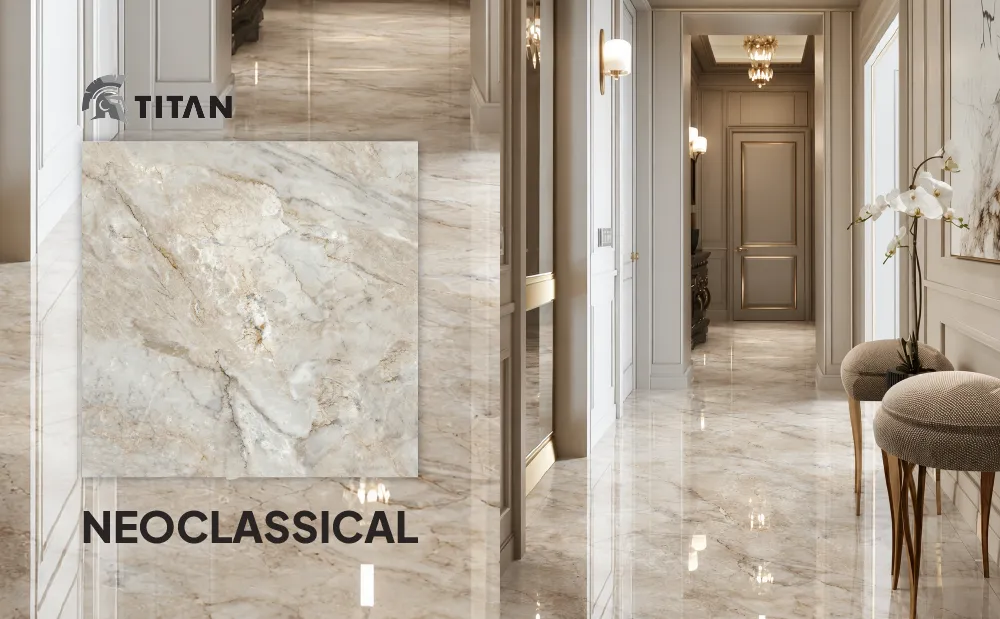
Marble - Look Tiles and Neoclassical Style: How Balance Creates Elegance
Neoclassical style is defined by a balance between classical character and a modern sensibility. Within this overall look, marble-look tiles are often used to add depth and create focal points, from living-room floors to entrance halls and corridors.
So what makes Neoclassical style beautiful? Why does marble suit this aesthetic, and how can marble-look tiles be selected and used in a way that preserves its sense of balance?
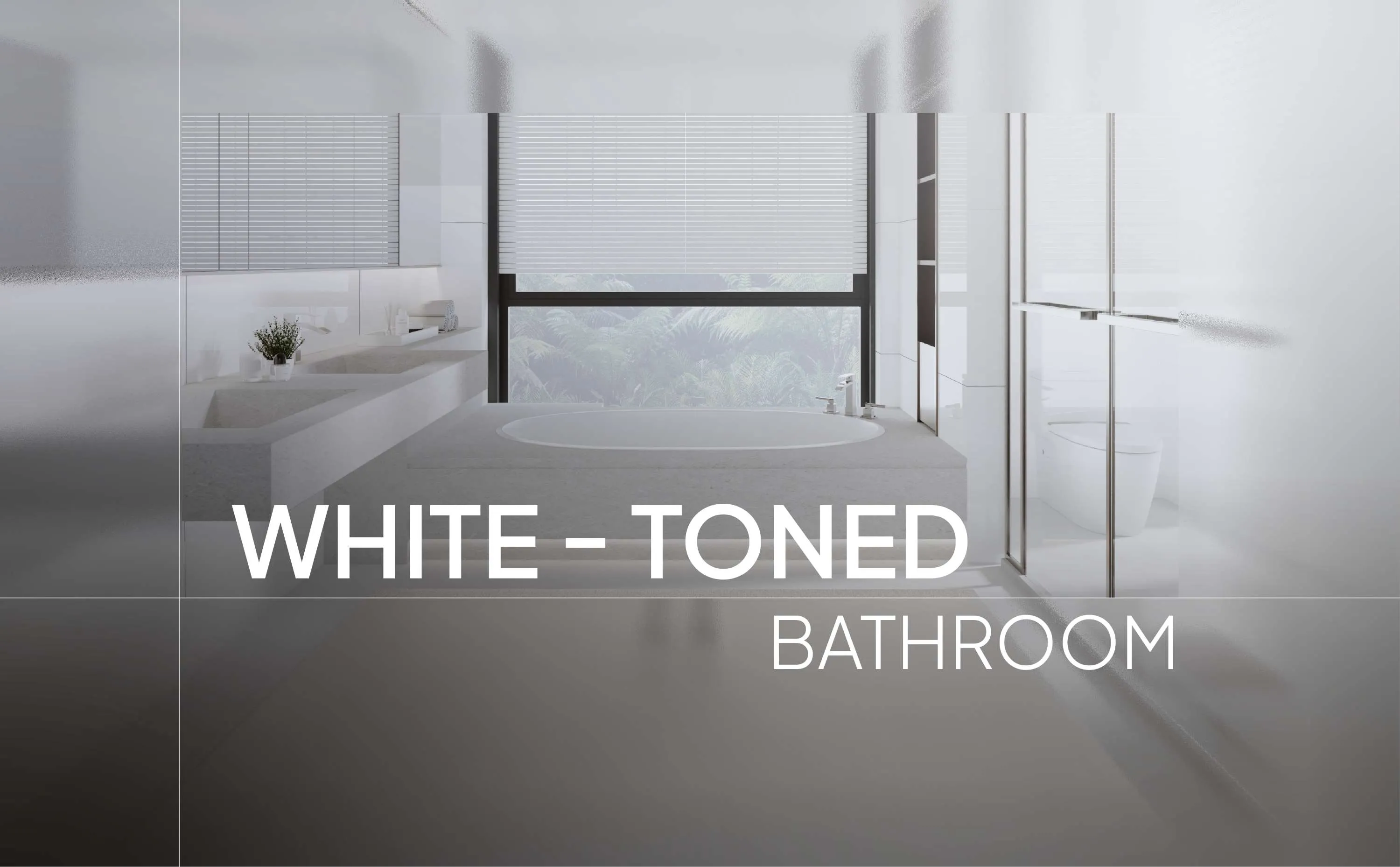
WHITE BATHROOM TILES - SIMPLICITY WITH DEPTH
White bathroom tiles are a popular choice for many spaces, thanks to their ability to create a sense of cleanliness, brightness, openness, and spaciousness. When thoughtfully combined with the right colors, tile surfaces, lighting, and interior elements, a white-toned bathroom can achieve an elegant look without feeling monotonous.

Catalan Introduces 06 New Glossy Tile Designs in 800×800mm
Catalan introduces 06 new tile designs in 800×800mm, featuring glossy surfaces that bring a light, elegant and modern look to living spaces.
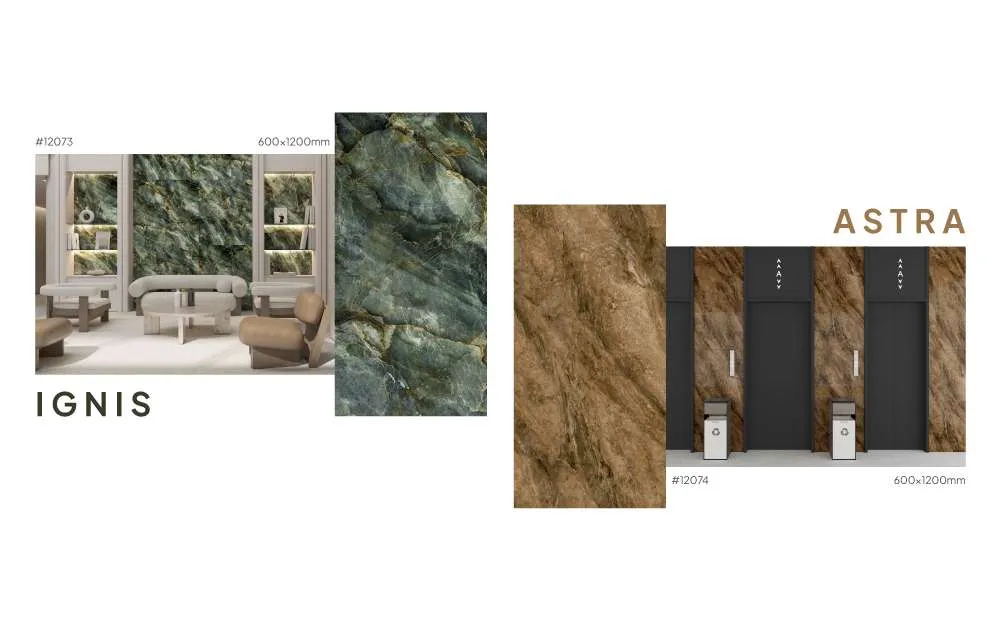
WHEN TILES BECOME THE FOCAL POINT OF A SPACE
Materials not only play a role in completing surfaces but also contribute to defining the character, emotions, and aesthetic identity of a space. Within Catalan’s Stellaris collection, the two 600×1200mm designs are representative examples of this approach. Inspired by the powerful beauty of natural stone, each design brings a distinct character, making it well suited to spaces that place a strong emphasis on aesthetics and individual identity.