Stellaris Microcrystalline Glossy Tiles: Discover the Beauty of Two Designs, Noxis and Cosmos
In architecture, the surface of a material can completely change how a space is perceived. The same dimensions and function can create an entirely different mood simply because the light falls on the surface in a different way.
This is especially true of microcrystalline glossy tiles, particularly designs with expressive, dynamic veining. Each choice brings its own tone and character, allowing the surface not only to complete a project but also to help define its identity.
Within Catalan’s Stellaris collection, Noxis and Cosmos from the Xsmart brand share a microcrystalline glossy finish, yet express beauty in two very different ways. Let’s explore each design and discover which spaces they suit best.
What Is a Microcrystalline Glossy Finish? Characteristics and the Interaction with Light
“Microcrystalline glossy” is the term Catalan uses for the glossy surface category of its porcelain tiles, applied to designs in the Stellaris collection. When introducing the collection, Catalan also refers to this finish by the international term “Polished.”
According to Keope’s general description of glossy porcelain tiles, the surface is finished after the tile has been fired. The tile is polished through several stages using diamond abrasive heads to achieve a mirror-like shine, and is often treated further to seal microscopic pores on the surface.
The appeal of this finish lies in the way it interacts with light. The flatter and glossier the surface, the more clearly it reflects light. For Stellaris, Catalan describes this as a multidimensional reflective effect: the same tile can take on a different character at different times of day.
In real spaces, a microcrystalline glossy finish typically creates three effects:
A brighter space. Natural and artificial light is reflected and spread throughout the room.
Greater depth in the veining. The layers of the stone pattern appear more distinct, creating a sense of dimension rather than a flat field of colour.
A more spacious, seamless appearance. This effect is particularly noticeable with large-format tiles such as 600 × 1200 mm, which significantly reduce the number of grout lines.
The Stellaris Collection and Xsmart: A Journey “Into the Stars”
Stellaris is the second chapter in Catalan’s 2026 design journey, following Horizon. While Horizon captures the enduring beauty of earth, stone, sand and minerals, Stellaris takes the idea further: matter is transformed into energy and emotion within the vastness of space. The message of this chapter is “Beyond the Horizon, Into the Stars.”
Inspired by galaxies, nebulae and streams of moving energy, Stellaris adopts a bolder design language, with greater visual depth and a strong artistic character. The collection comprises 10 designs in two sizes:
600 × 1200 mm: IGNIS, ASTRA, NOXIS and COSMOS. This group features bold colours, with each design representing a different source of energy in the universe.
1000 × 1000 mm: FLARE, EMBER, SOLAR, SOLIS, AERIS and FLUXA. These designs use lighter tones while retaining crisp, dynamic layers of veining.
Noxis and Cosmos are part of the 600 × 1200 mm group and both belong to the Xsmart brand. Their product pages list the familiar features of this brand: a smooth surface, scratch resistance, stain resistance, colour stability, water resistance and easy maintenance.
According to Catalan, Stellaris suits contemporary, luxury and dark modern styles, as well as projects that emphasise a distinctive identity, including villas, penthouses, hotels and premium commercial spaces. If you are exploring interior styles that pair well with this tile collection, Catalan’s article “Soft Luxury: When Sophistication Becomes a Way of Life” is also worth reading.
Noxis #15053: Deep Tones and Distinctive Mineral Veining
Catalan gave Noxis a name that captures the spirit of the design: the depth of a mysterious galaxy. Its base is a deep charcoal grey, interwoven with lighter grey areas and touches of warm bronze-brown. The mineral veins flow naturally and sharply across the surface, evoking geological layers shifting in the darkness of the cosmos.
Noxis derives its strength from the contrast between its colour layers. When dark and light areas sit side by side, the surface feels deep, solid and powerful. The microcrystalline glossy finish makes the veining more pronounced, while light glides across the lighter grey areas like small highlights.
In Catalan’s interior visualisation, Noxis is used on large bathroom wall surfaces alongside light cream flooring and furnishings. This pairing illustrates a simple, practical principle: when the main surface is visually bold, keep surrounding materials neutral so Noxis can take centre stage.
Noxis at a Glance
Product code: 15053
Size: 600 × 1200 mm
Tile body: BIa porcelain
Finish: Microcrystalline glossy, 4 faces (F1–F4)
Brand: Xsmart
Cosmos #15055: Dynamic Veining and an Artistic Expression
Catalan describes Cosmos as an endless current flowing through the galaxy. Its main colour is a steel-toned grey-green, interspersed with bronze-gold and ivory-white veins. The layers of veining run diagonally in the same direction, overlapping like bands of galaxies spreading across space.
Where Noxis makes an impression through contrast, Cosmos captivates through rhythm. The eye does not stop at one point but follows the flow of the veins from one layer to the next. This gives the tile a distinctive, powerful and artistic character, reflecting the vastness and energy of the universe.
In the interior visualisation, Cosmos is used on the floor of a reception hall. The glossy surface reflects the lighting and furnishings, while the veining has room to extend across the broad floor area. The 600 × 1200 mm format contributes to this effect by reducing the number of joints compared with smaller tiles.
Cosmos at a Glance
Product code: 15055
Size: 600 × 1200 mm
Tile body: BIa porcelain
Finish: Microcrystalline glossy, 4 faces (F1–F4)
Brand: Xsmart
Noxis or Cosmos: Which Design Is Right for Your Space?
Both designs share the same size, finish and tile body, so their difference lies entirely in how the veining is expressed.
Choose Noxis when you want a dark, grounded material surface with strong visual weight. Provided the surrounding furnishings remain neutral, Noxis suits feature walls in living rooms, wall cladding behind reception desks, or bathrooms in dark modern, contemporary and luxury styles.
Choose Cosmos when a project needs a surface that tells a story through movement. Cosmos works best across broad areas such as reception halls, corridors or large feature walls, where its flowing veining can extend across the surface. The bronze-gold tones in the pattern also complement warm metal details in interiors, as shown in Catalan’s reception-hall visualisation.
A water absorption rate of no more than 0.5% is the threshold for BIa tiles under ISO 13006 and EN 14411. This category is defined by very low water absorption.
From Interior Spaces to Exterior Applications
One notable feature of Noxis and Cosmos is that the same stone-inspired design language can be used both inside and outside the home.
Interior applications
Living-room feature walls and cladding behind reception desks, where the veining can be appreciated in full from a distance.
Bathrooms, as shown in Catalan’s Noxis visualisation.
Reception halls and corridors, as shown in the Cosmos visualisation. Catalan’s article “When Tiles Become the Focal Point of a Space” also demonstrates how 600 × 1200 mm tiles can be used in reception areas, elevator lobbies and decorative wall features.
Exterior applications
When a material is used in the right place, its surface does more than finish the architecture—it becomes part of the project’s identity. For outdoor applications, homeowners and design teams should carefully review the following considerations.
Considerations When Choosing and Using Large-Format Microcrystalline Glossy Tiles
Glossy surfaces can create a striking effect, but every application has its own requirements. The following six points can help you make a more informed choice.
Wet areas and slip resistance. According to Keope, glossy porcelain tiles often have a wet dynamic coefficient of friction (DCOF) at or below the 0.42 threshold and may therefore be slippery when wet. For bathroom floors, outdoor flooring or paths frequently exposed to rain, prioritise wall applications or choose an anti-slip surface.
Foot traffic. Noxis and Cosmos have an abrasion rating of “600 – Class II.” Under the commonly used PEI scale, Class II (600 abrasion cycles) is generally recommended for residential areas with light foot traffic. If you plan to install them in a reception hall or a busy commercial area, ask Catalan for recommendations for each location.
Exterior applications. The product pages list both wall and floor use. For exterior wall cladding, consult Catalan’s technical team in advance for installation guidance suited to the location and weather conditions.
Installation substrate. As Catalan notes in its article “Which Spaces Are Best Suited to Large-Format Tiles?”, the substrate must meet technical requirements, and the adhesive and installation method must be appropriate for the tile size.
Clean correctly. Use warm water and a neutral cleaner. Avoid acidic chemicals and abrasive tools to preserve the glossy finish over time.
View actual samples. Each design has four faces (F1–F4), so view several tiles laid side by side to understand how the veining will look across a larger area before making a decision.
Conclusion: Let the Surface Define the Project
Noxis and Cosmos offer two distinct expressions of microcrystalline glossy tiles within the Stellaris collection. Noxis tells its story through the depth and strength of contrasting colour layers, while Cosmos expresses itself through dynamic, artistic veining.
A well-chosen material surface does not need to be ostentatious. What matters is placing the right material in the right location, allowing light, veining and architecture to work together to create a distinctive identity for the space.
Explore Noxis #15053 and Cosmos #15055 on the Catalan website to find the surface that best suits your project.
Related posts

Stellaris Microcrystalline Glossy Tiles: Discover the Beauty of Two Designs, Noxis and Cosmos
In architecture, the surface of a material can completely change how a space is perceived. The same dimensions and function can create an entirely different mood simply because the light falls on the surface in a different way.
This is especially true of microcrystalline glossy tiles, particularly designs with expressive, dynamic veining. Each choice brings its own tone and character, allowing the surface not only to complete a project but also to help define its identity.
Within Catalan’s Stellaris collection, Noxis and Cosmos from the Xsmart brand share a microcrystalline glossy finish, yet express beauty in two very different ways. Let’s explore each design and discover which spaces they suit best.

Modern Organic Style: Where Serenity Blends into the Living Space
A floor in the warm beige of sand, stone veining softened as if gently brushed by time, and early-morning light spreading across a finely textured surface: together, they create a sense of tranquillity that is difficult to put into words.
This is the spirit of Modern Organic—a subtle blend of modern minimalism and the rustic warmth of nature. Neither ornate nor ostentatious, Modern Organic appeals through harmony, soft lines and materials rich in texture and feeling.
In this article, Catalan explores what Modern Organic is, why it has become one of today’s prominent design trends, and how tiles can form the foundation of a peaceful home.
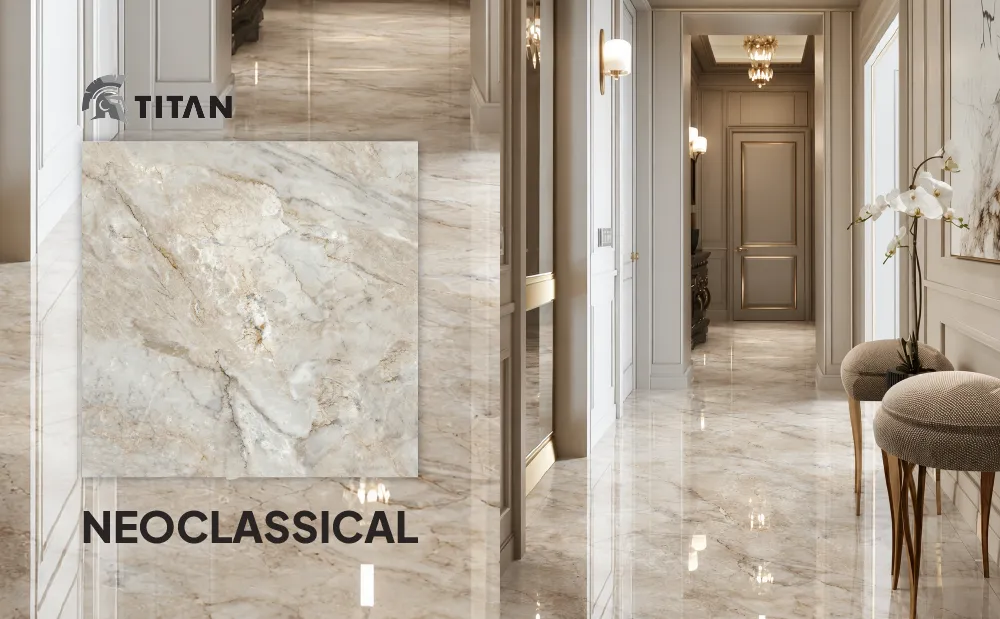
Marble - Look Tiles and Neoclassical Style: How Balance Creates Elegance
Neoclassical style is defined by a balance between classical character and a modern sensibility. Within this overall look, marble-look tiles are often used to add depth and create focal points, from living-room floors to entrance halls and corridors.
So what makes Neoclassical style beautiful? Why does marble suit this aesthetic, and how can marble-look tiles be selected and used in a way that preserves its sense of balance?
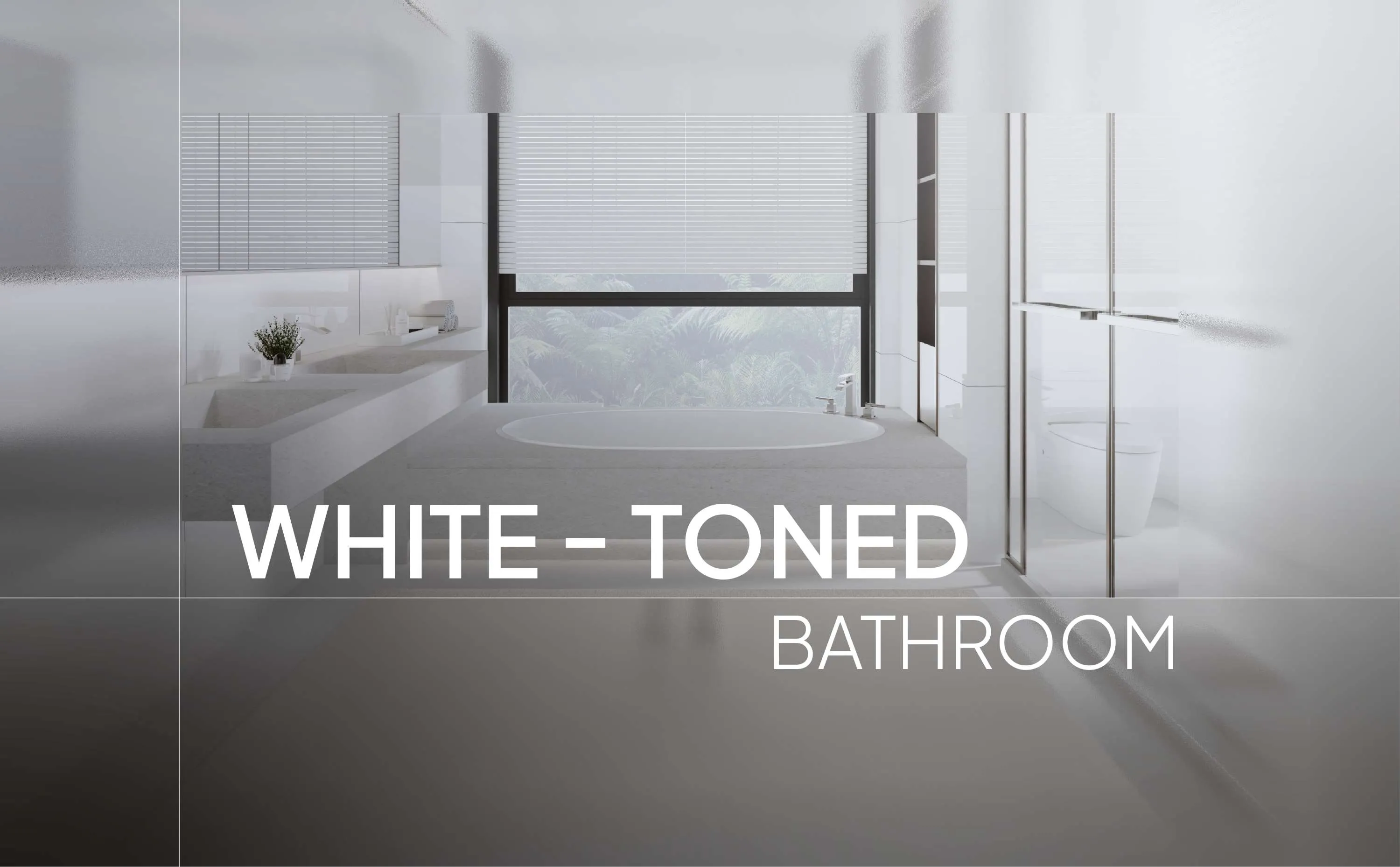
WHITE BATHROOM TILES - SIMPLICITY WITH DEPTH
White bathroom tiles are a popular choice for many spaces, thanks to their ability to create a sense of cleanliness, brightness, openness, and spaciousness. When thoughtfully combined with the right colors, tile surfaces, lighting, and interior elements, a white-toned bathroom can achieve an elegant look without feeling monotonous.

Catalan Introduces 06 New Glossy Tile Designs in 800×800mm
Catalan introduces 06 new tile designs in 800×800mm, featuring glossy surfaces that bring a light, elegant and modern look to living spaces.
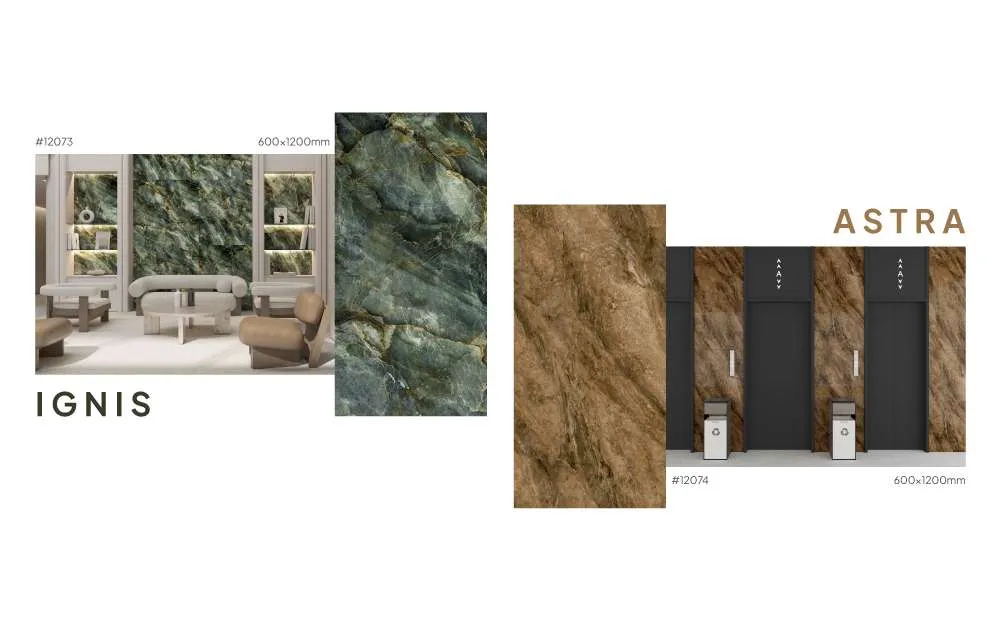
WHEN TILES BECOME THE FOCAL POINT OF A SPACE
Materials not only play a role in completing surfaces but also contribute to defining the character, emotions, and aesthetic identity of a space. Within Catalan’s Stellaris collection, the two 600×1200mm designs are representative examples of this approach. Inspired by the powerful beauty of natural stone, each design brings a distinct character, making it well suited to spaces that place a strong emphasis on aesthetics and individual identity.