HOW DOES TILE SIZE AFFECT THE FEEL OF A SPACE?
A space can feel larger, more open, or cozier simply through the right choice of materials. Among these factors, tile size is often overlooked, yet it has a direct impact on visual perception and the overall layout. When chosen appropriately, tile dimensions do more than just finish a surface — they help define the character of the space itself.
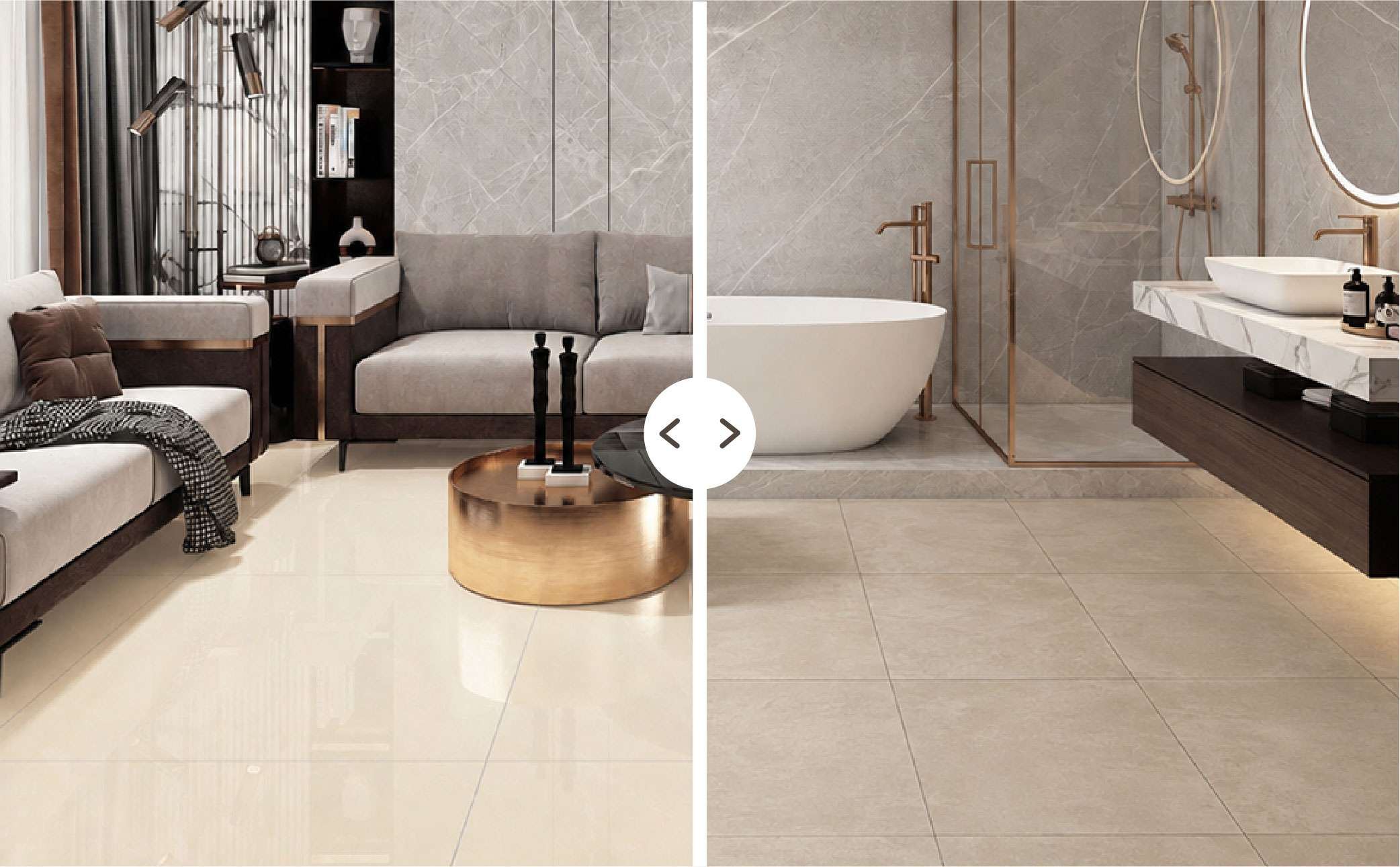
Large-format tiles create continuity and make spaces feel bigger
Large-format tiles such as 60x60, 80x80, or 60x120 help create a seamless surface by minimizing grout lines. With fewer visual interruptions, the eye naturally perceives the area as one continuous plane, making the space feel more spacious and airy than its actual size.
This effect is especially noticeable in medium to large living rooms and bedrooms, where openness and simplicity are often prioritized. When paired with light-colored tones, large-format tiles also help distribute light more evenly across surfaces, naturally enhancing the sense of space without requiring excessive decorative details.
Medium and small tiles add character and visual rhythm
On the other hand, smaller tile sizes such as 30x30, 40x40, or mosaic tiles create a different atmosphere — one that emphasizes detail and visual rhythm. The increased number of tiles means more grout lines, which introduces subtle movement and texture into the overall design.
This effect is commonly applied in areas that require focal points or have smaller dimensions, such as bathrooms, kitchens, or decorative wall sections. When used in the right proportions, smaller tiles do not make a space feel cluttered. Instead, they help subtly define functional areas while adding personality and depth to each zone.
Grout lines — a key factor in the overall finish of a space
Beyond tile size, grout lines act as a form of “visual connection” that ties individual tiles into a cohesive whole. Thin grout lines in colors that closely match the tiles help reduce visible divisions, creating a softer and more seamless appearance.
In contrast, using grout with stronger contrast or thicker spacing can produce a decorative effect, highlighting the tile layout and overall composition. However, to maintain balance, grout selection should always align with the tile size and the overall design direction, avoiding a look that feels overly busy or visually inconsistent.
Ultimately, there is no single “best” tile size for every space — only the most suitable choice based on the room’s dimensions and intended use. Large-format tiles offer a modern, spacious feel, while smaller tiles bring detail, emphasis, and visual depth.
When thoughtfully considered, tile size becomes more than just a surface-finishing element. It transforms into a design tool that balances aesthetics and functionality, creating a more harmonious and enjoyable living experience.
Related posts
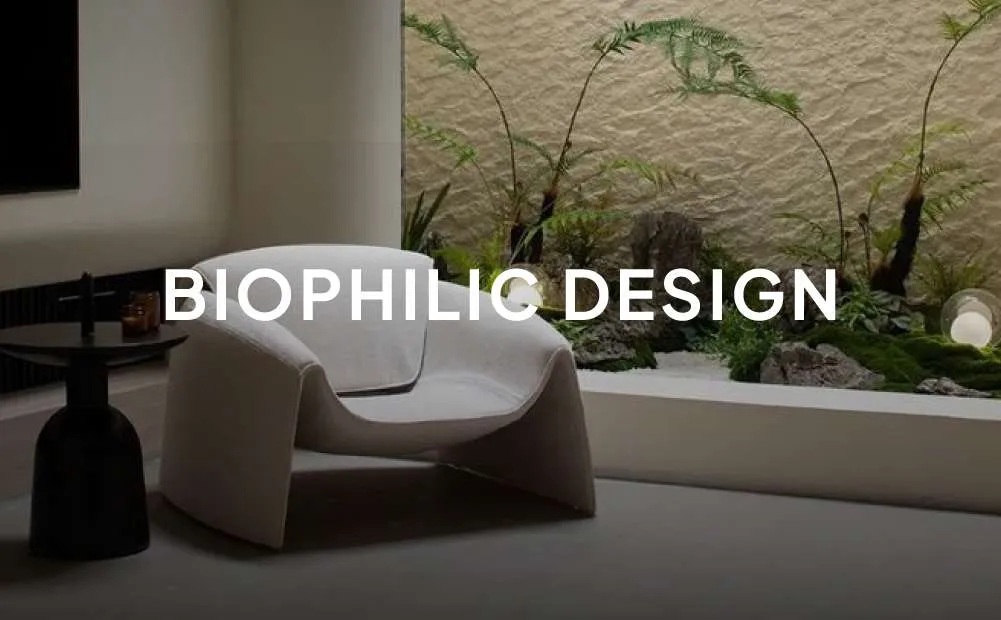
BIOPHILIC DESIGN: A DESIGN TREND THAT BRINGS NATURE INTO LIVING SPACES
In modern architecture and interior design, the trend of bringing nature into living spaces is receiving increasing attention as people spend most of their time in buildings and urban areas. Designers seek to make light, greenery, materials, forms, and experiences of nature a part of architecture.
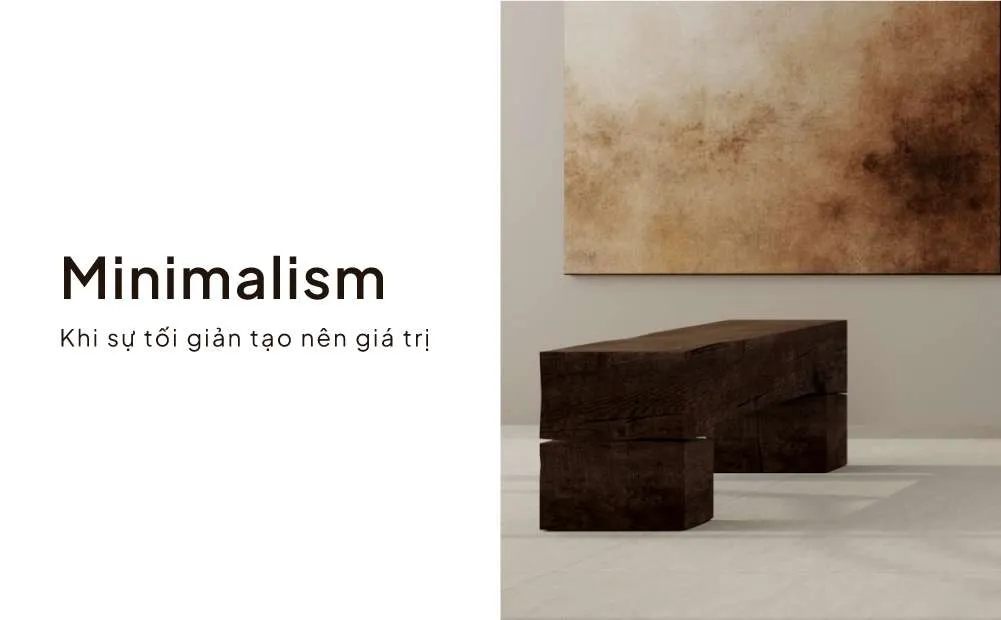
MINIMALISM: WHEN SIMPLICITY CREATES VALUE
In modern life, as people increasingly value balance and quality of living, Minimalism has become one of the most favored interior design styles. Rather than focusing on elaborate forms, Minimalism emphasizes simplicity, functionality, and essential breathing space to create a living environment that feels light, calm, and full of depth.
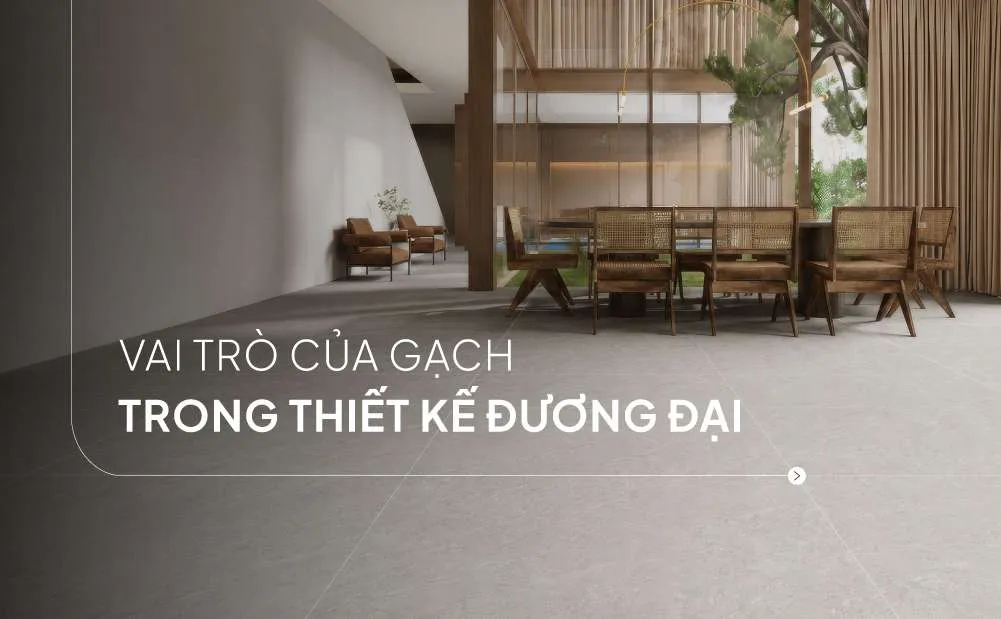
THE ROLE OF TILES IN CONTEMPORARY DESIGN
The Contemporary style allows architects and designers to flexibly combine modern lines, materials, colors, and forms to create spaces that reflect the spirit of each project. Within this overall approach, tiles are not simply a surface finishing material. With a diverse range of colors, sizes, textures, and visual effects, tiles have become an important element in shaping architectural language and creating a distinctive identity for contemporary spaces.
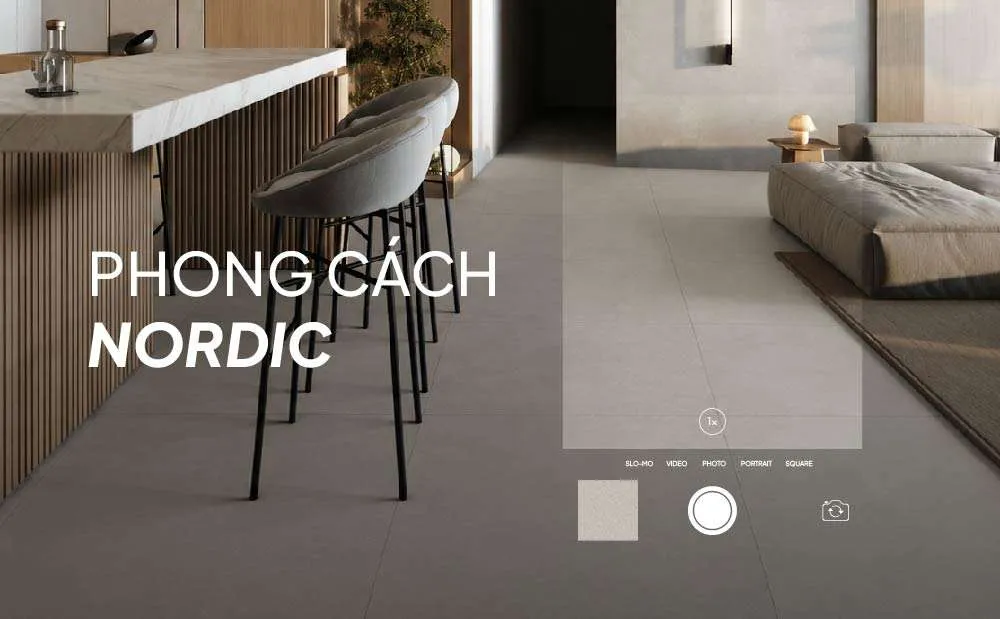
NORDIC STYLE AND TILE SELECTION TRENDS
In recent years, Nordic (Scandinavian) style has become one of the most popular interior design trends thanks to its minimalist aesthetic, refined simplicity, and strong connection to nature. Beyond furniture and wall colors, choosing the right wall and floor tiles plays an essential role in creating a harmonious, bright, and timeless living space.

THE ROLE OF ROOF TILES IN THERMAL INSULATION AND HEAT REDUCTION FOR BUILDINGS
The roof is the part of a building that is directly exposed to sunlight, making it a major factor affecting indoor temperatures. Choosing the right roofing tiles not only enhances the aesthetic appeal of a building but also contributes to effective thermal insulation and heat reduction, creating a cooler and more energy-efficient living environment.
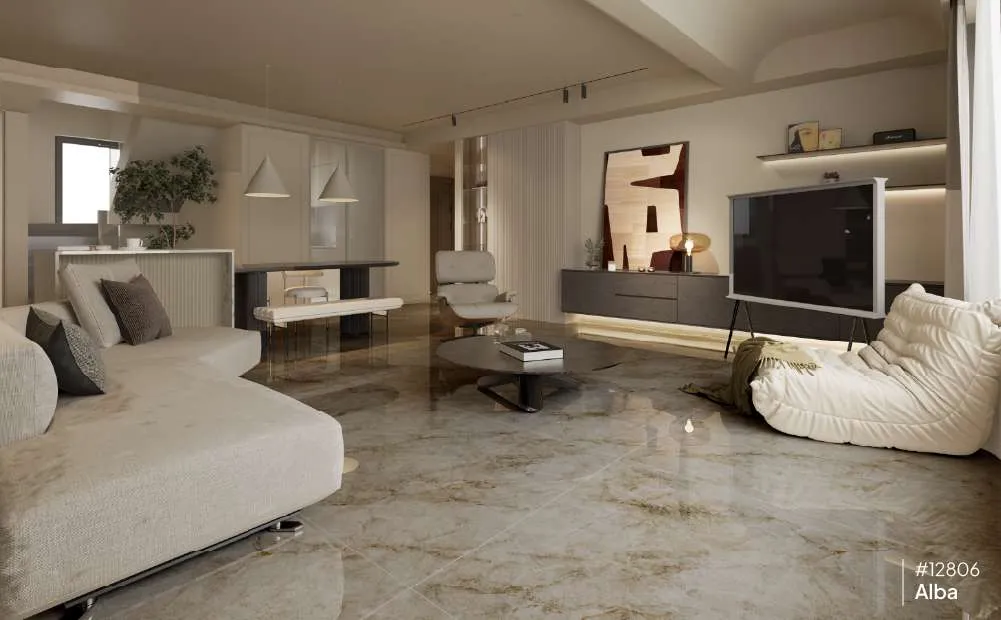
WHAT MAKES A HIGH-QUALITY BUILDING?
A beautiful building is not defined solely by its striking appearance or the latest design trends. Its true value lies in the balance between aesthetics, functionality, and long-term durability. From the initial design concept and construction quality to the selection of finishing materials, every element plays a vital role in creating a living space that is both beautiful and built to last.