MANAGEMENT PERSPECTIVES IN PRODUCTION AND OPERATIONS
In today's modern manufacturing environment, investing in machinery, technology, or facilities is only part of the equation. To consistently produce high quality products and sustain long term operational efficiency, businesses need to establish a well structured production management system. So, what role does production and operations management truly play in a company's growth and long term success?
What Is Production and Operations Management?
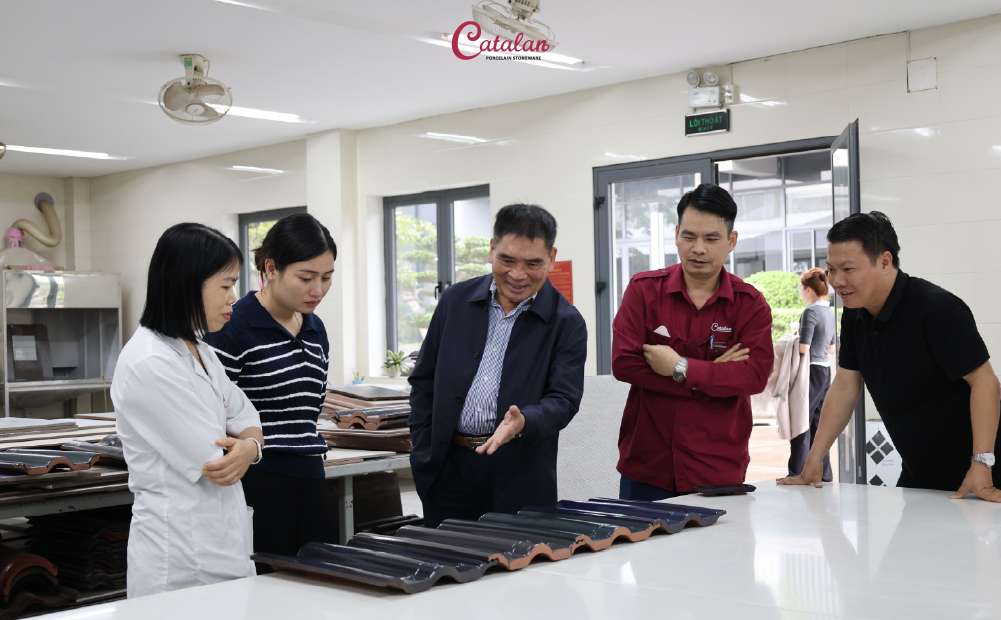
Production and operations management is the process of planning, organizing, coordinating, and controlling resources to ensure that manufacturing activities are carried out efficiently, consistently, and in line with quality, schedule, and cost objectives.
In practice, manufacturing is much more than simply operating machines to produce goods. It is a combination of people, technology, raw materials, data, and work processes. Management serves as the link that integrates these elements into a unified operating system.
Why Is Manufacturing a Matter of Coordination?
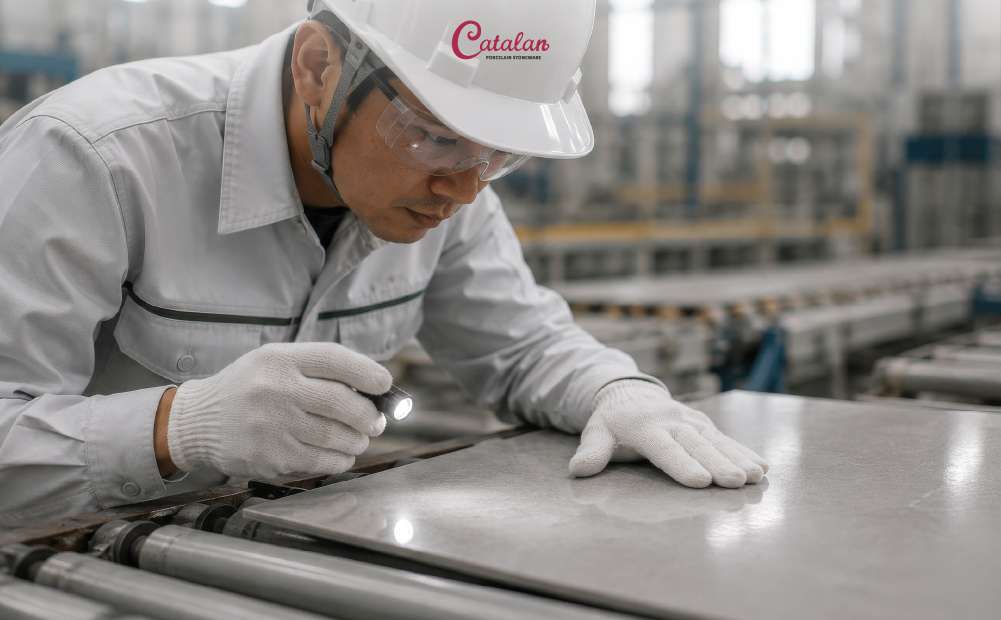
Many people evaluate a company's manufacturing capability based on the size of its factory or the level of automation in its production lines. However, production performance depends not only on the strength of individual departments but also on how effectively they work together across the entire organization.
Imagine a modern production line equipped with advanced technology. If raw material quality is inconsistent, communication between departments is interrupted, or operating procedures are not standardized, production efficiency can still be significantly affected.
An effective manufacturing system requires strong coordination among:
- Raw material procurement
- Production
- Engineering and maintenance
- Quality control
- Warehousing and distribution
When every part of the system works together seamlessly, businesses can maintain operational stability and achieve higher production efficiency.
How Is Product Quality Created?
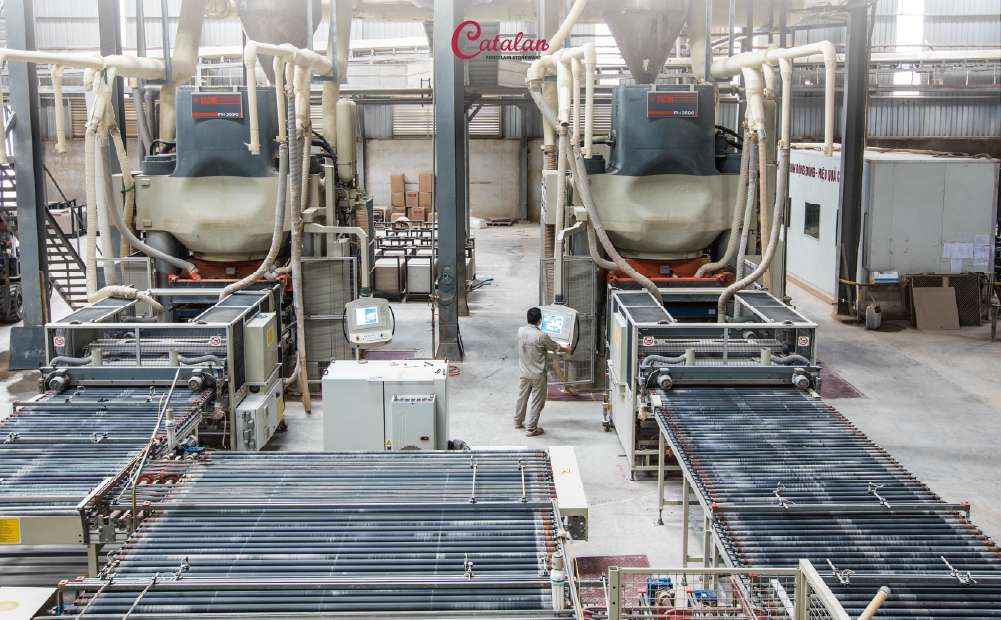
A common misconception is that product quality is determined during the final inspection. From a management perspective, however, quality is built throughout the entire production process.
From selecting raw materials and setting technical specifications to controlling the production environment, operating equipment, and training employees, every decision has an impact on the final outcome. In other words, quality is not created by a single process. It is the result of hundreds of small decisions made throughout daily operations.
The Role of Management Systems in Reducing Errors
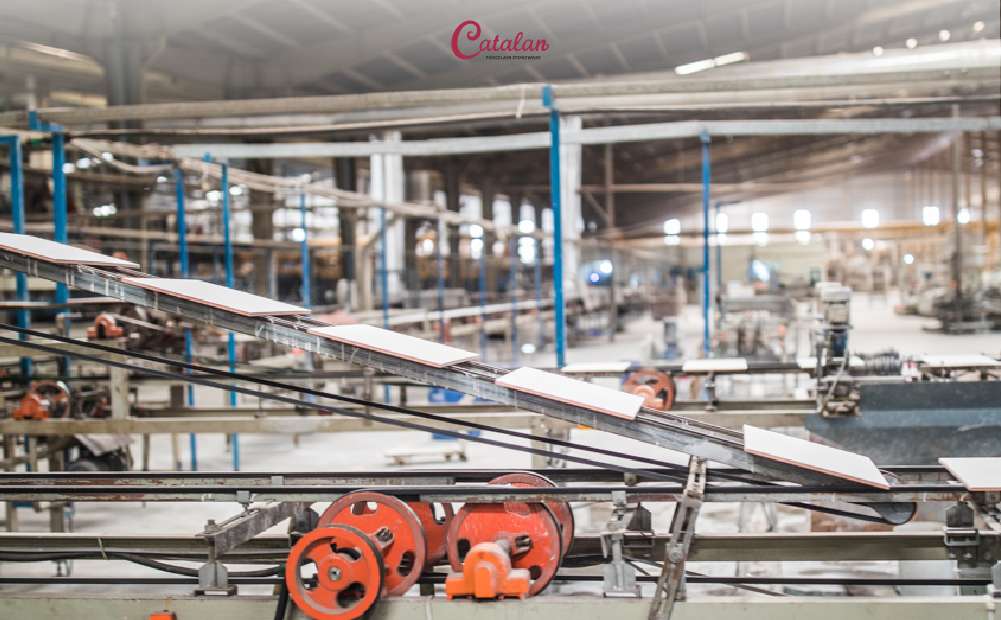
An effective management system does more than solve problems after they occur. It also minimizes the likelihood of those problems arising in the first place.
Instead of waiting until defective products appear, businesses should establish control mechanisms that identify risks early and implement appropriate preventive measures.
The benefits of this approach include:
- Lower production defect rates
- Reduced material waste
- More efficient use of operational resources
- Greater product consistency
- Higher customer satisfaction
This philosophy also forms the foundation of many advanced manufacturing management models widely adopted around the world today.
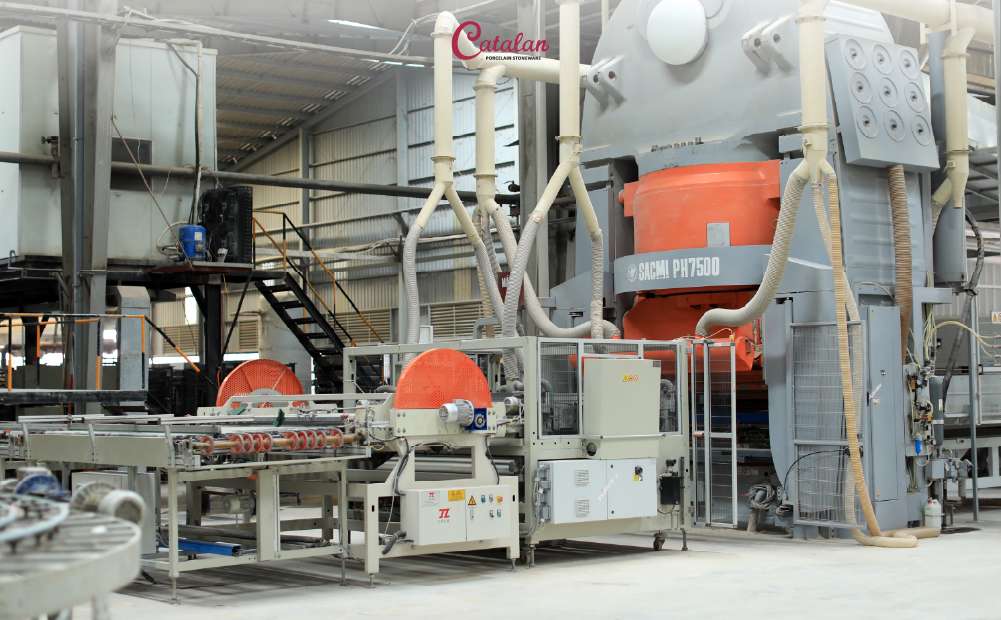
Key Elements of Modern Production Management
Standardizing Operating Procedures
Standardized procedures ensure that every stage of production follows the same requirements. This reduces dependence on individual experience and minimizes errors during manufacturing.
When processes are standardized, companies can more easily control product quality and maintain consistency across production batches.
Data Driven Management
Data has become an increasingly important asset in manufacturing. By monitoring operational indicators in real time, businesses can quickly identify abnormalities, evaluate performance, and make more informed decisions.
A data driven approach reduces reliance on intuition and strengthens control over the entire production system.
Maintaining Operational Stability
Operational stability is one of the most important objectives of production management. A manufacturing system may achieve exceptionally high performance over a short period, but without consistent stability, its overall effectiveness will eventually decline.
For this reason, businesses should prioritize equipment maintenance, process control, and employee training to ensure continuous and reliable production.
Continuous Improvement
As markets and technologies continue to evolve, continuous improvement is essential for maintaining a competitive advantage.
Even small improvements in processes, operational practices, or data management can generate significant long term benefits by increasing production efficiency and optimizing costs.
From a management perspective, manufacturing is not simply about machinery or technology. It is about achieving effective coordination among people, processes, data, and operational systems. When these elements work together in harmony, businesses can build a manufacturing operation that is efficient, resilient, and capable of delivering sustainable growth.
Related posts
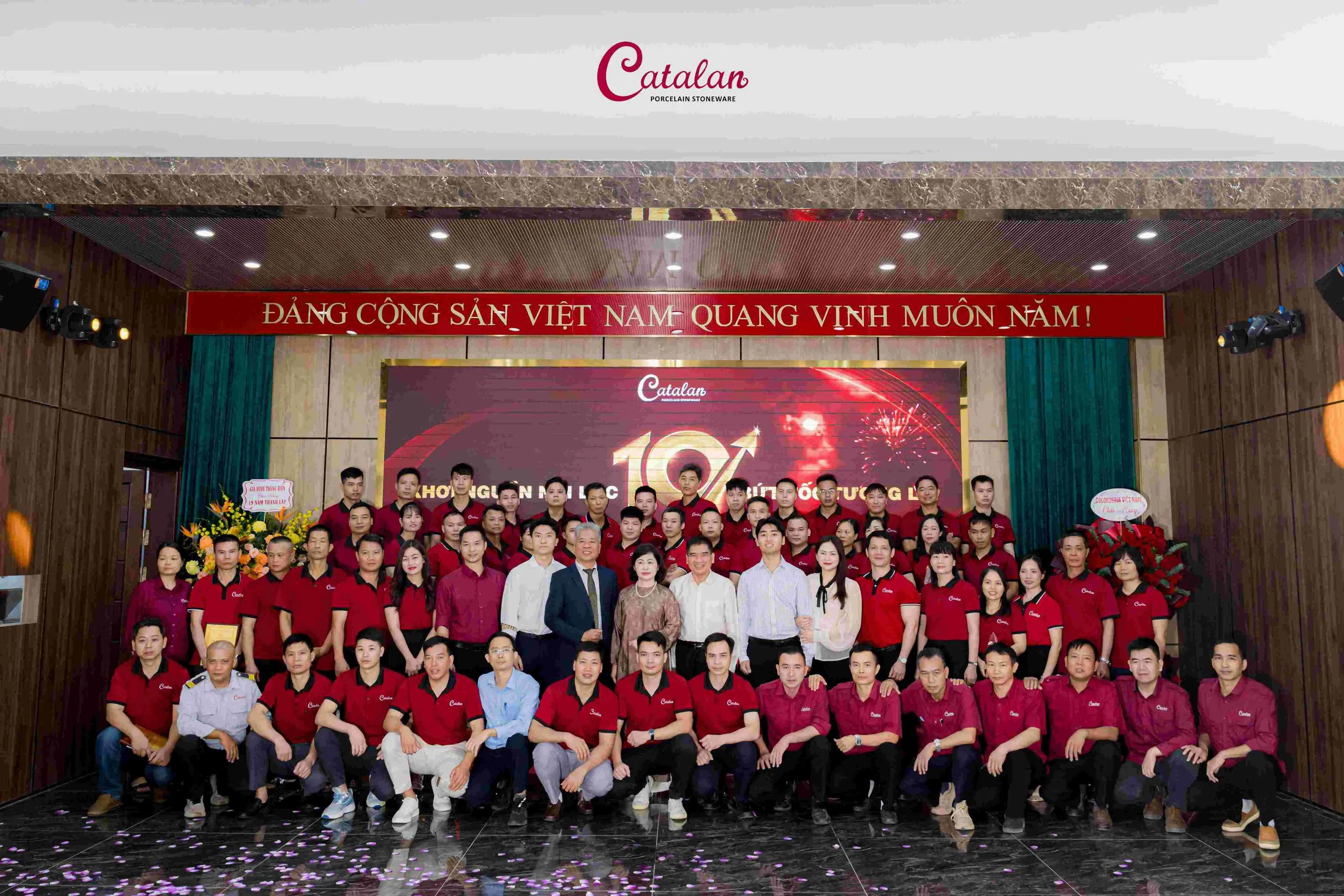
CATALAN HONORS 44 EMPLOYEES FOR 10 AND 15 YEARS OF DEDICATED SERVICE
As part of the 19th Anniversary Celebration, Catalan Joint Stock Company proudly honored 44 employees who have been with the Company for 10 and 15 years. These individuals have helped build a strong foundation for Catalan's development through their dedication, sense of responsibility, and unwavering trust over the years.
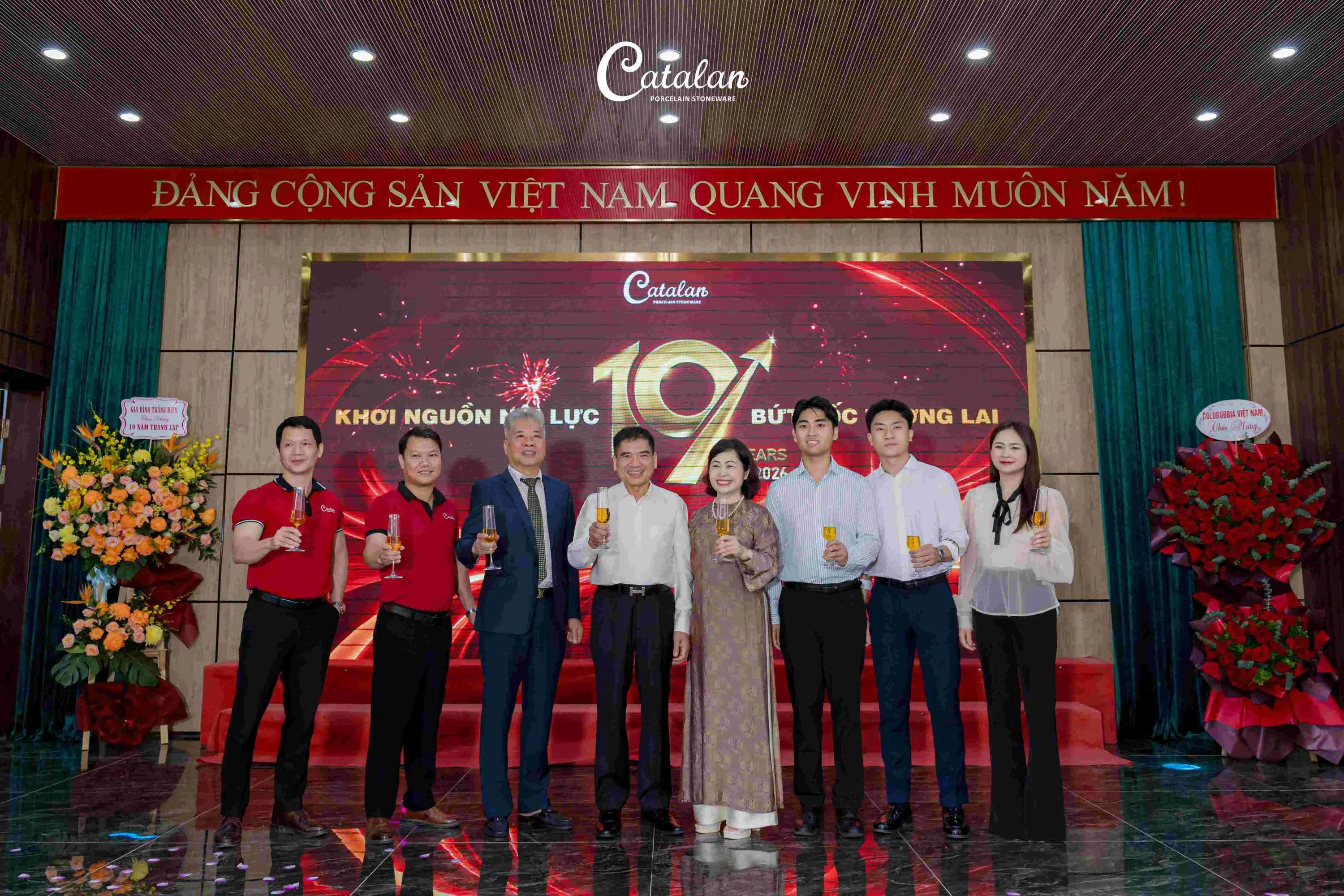
CATALAN CELEBRATES A BRILLIANT 19 YEAR MILESTONE
The 19th Anniversary Celebration of Catalan Joint Stock Company took place in a formal, warm and emotional atmosphere on August 8, 2026, at the Company Hall in Van Mon Commune, Bac Ninh Province, ahead of the company’s official 19th anniversary on August 10, 2026.
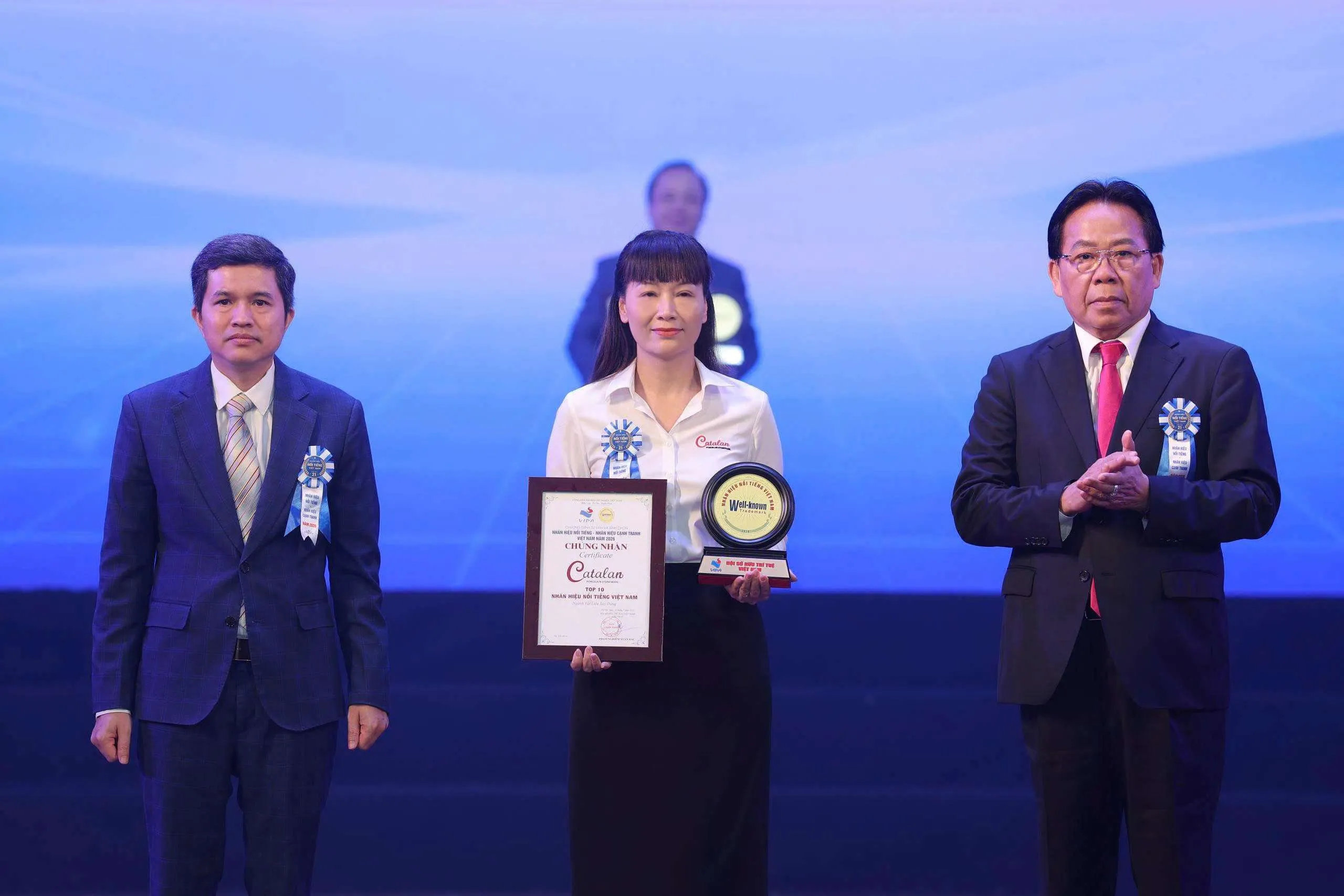
Catalan Honored Among the Top 10 Famous Vietnamese Brands 2026, Reinforcing Its Reputation in the Building Materials Industry
On the morning of July 18, 2026, at the Military Theatre (130 Ho Tung Mau Street, Hanoi), Catalan Joint Stock Company was proudly recognized as one of the Top 10 Famous Vietnamese Brands 2026 in the Building Materials – Ceramic and Porcelain Tiles category at the "Famous Brands – Competitive Brands of Vietnam 2026" Consultation & Selection Program, organized by the Vietnam Intellectual Property Association (VIPA).
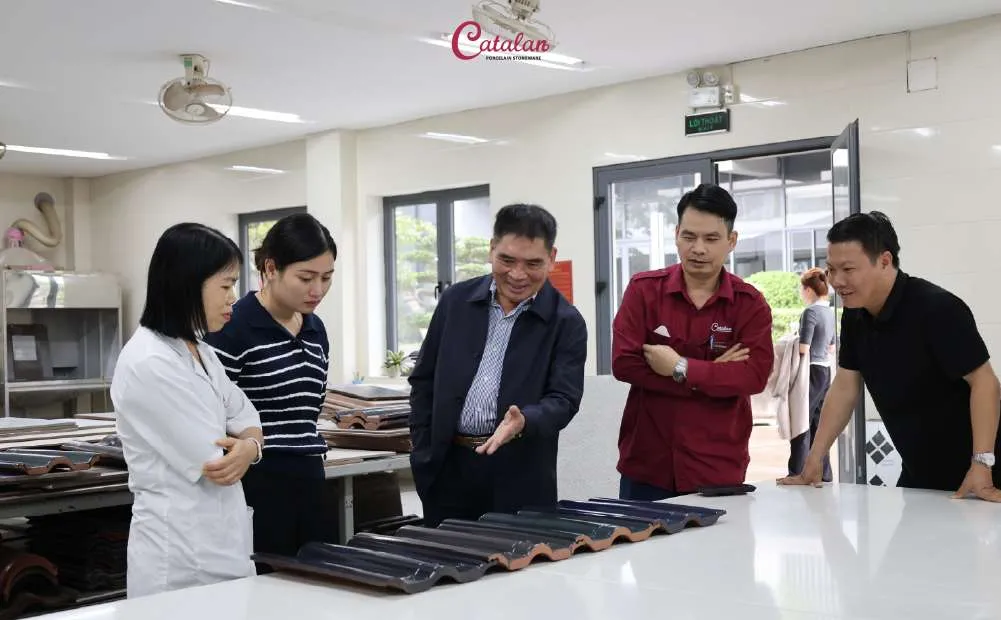
MANAGEMENT PERSPECTIVES IN PRODUCTION AND OPERATIONS
In today's modern manufacturing environment, investing in machinery, technology, or facilities is only part of the equation. To consistently produce high quality products and sustain long term operational efficiency, businesses need to establish a well structured production management system. So, what role does production and operations management truly play in a company's growth and long term success?
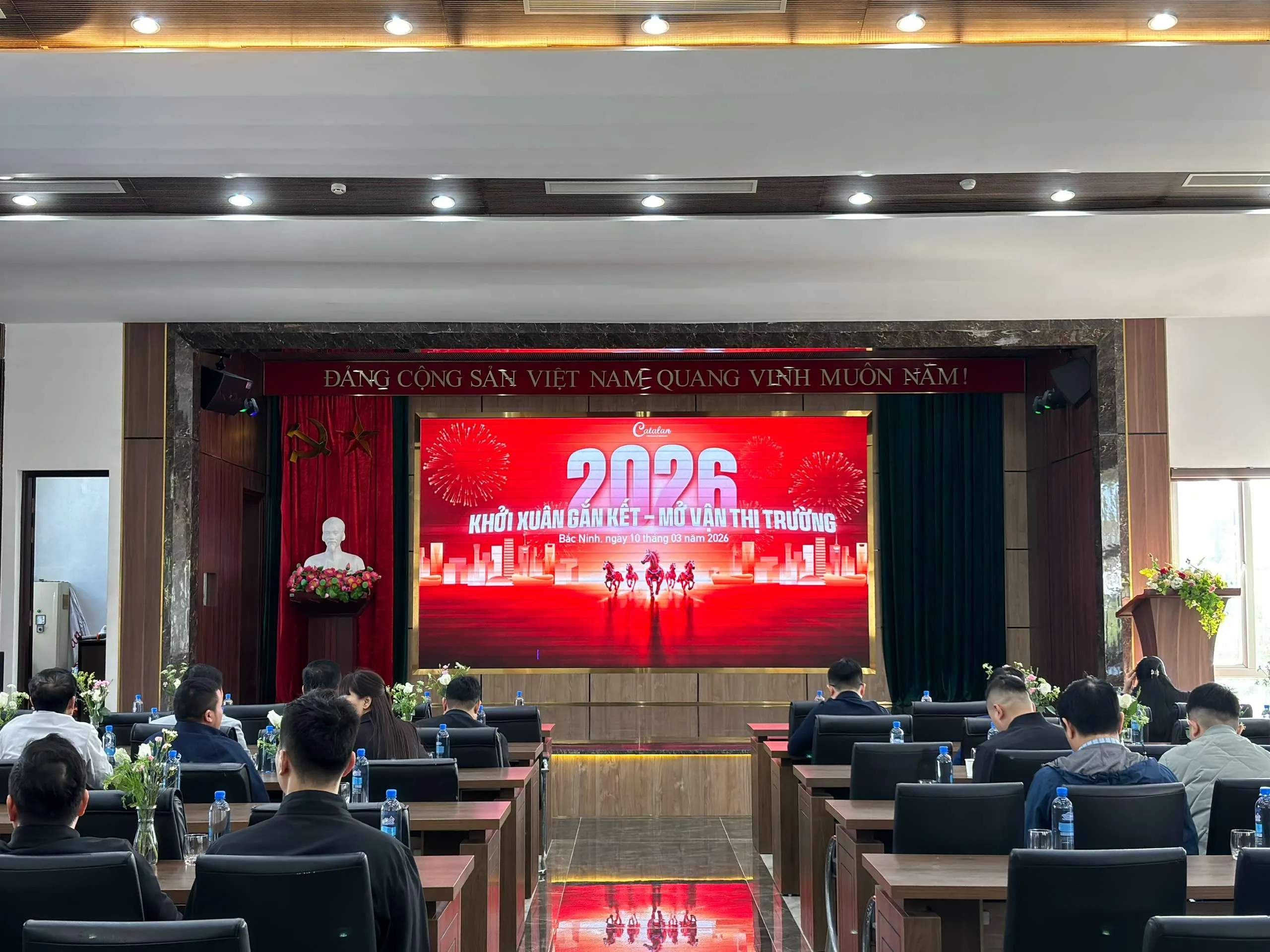
CATALAN PARTNERS WITH DISTRIBUTORS FOR “SPRING CONNECTION KICK-OFF - MARKET OPENING 2026”
The event was not only an opportunity to kick off a new business year but also a chance for Catalan and its distributor network to exchange ideas and shape the product lines that will be introduced to the market in the coming year.