MONOCHROME STYLE AND ITS APPLICATION IN MODERN INTERIOR DESIGN
Not only popular in the fashion industry, this “one color, many shades” concept has also found its way into architecture and interior design, shaping a refined, sophisticated, and captivating design style.
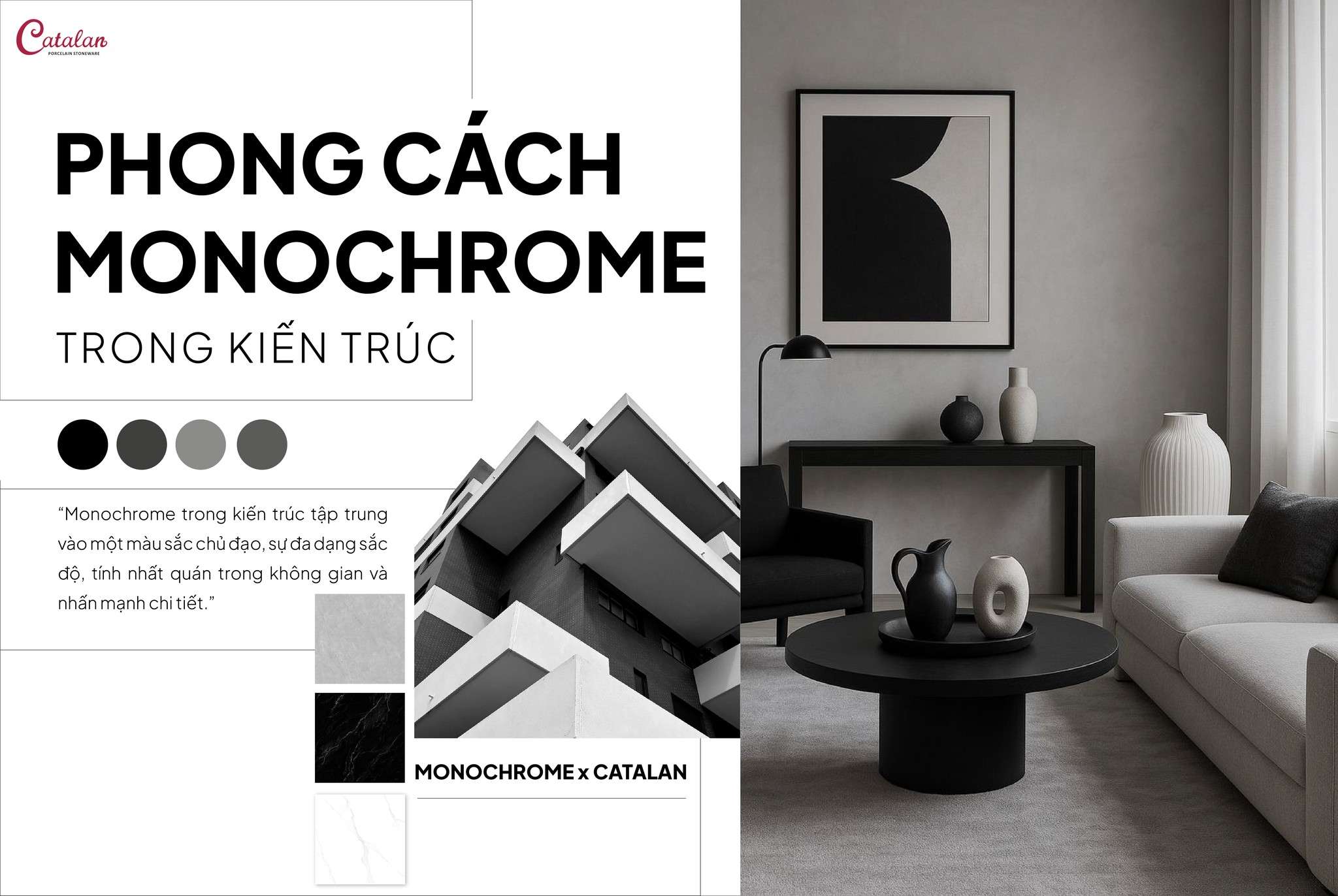 What is Monochrome style?
The term “Monochrome” originates from the ancient Greek word monochromos, meaning “one color.” This style goes beyond simply using objects of the same color; it also involves combining and exploring different shades, tones, and intensities - from light to dark - of a single color to create a harmonious, minimalist composition that still maintains visual depth.
Contrary to the common belief that Monochrome revolves only around black, white, and grey, the style can be applied to almost any color palette such as blue, beige, yellow, or greige, as long as the overall color consistency of the space is maintained.
Not only popular in fashion, the concept of “one color, many shades” has gradually entered architecture and interior design, shaping a design style that is refined, elegant, and visually captivating.
Why is Monochrome style becoming increasingly popular?
Monochrome style responds to the growing need for “cognitive relief” in a world filled with visual stimuli. Modern life surrounds people with constant streams of information - screens, advertisements, colors, and motion - which can overload the brain’s processing capacity. With its controlled color palette, Monochrome reduces the number of visual signals the brain must process, creating a sense of calm, order, and psychological comfort - an increasingly important need in urban living.
From a psychological perspective, color consistency helps people perceive their environment as more predictable. By maintaining a unified color tone, Monochrome spaces convey stability, control, and emotional balance - particularly important in residential interiors, workspaces, and environments designed for long-term experiences.
Furthermore, Monochrome strongly reflects the spirit of minimalism - “less, but better.” Today’s users are no longer seeking visual extravagance but instead prioritize lasting value, durability, and refined simplicity.
How is Monochrome expressed in architecture and interior design?
The challenge for architects when applying the Monochrome style does not lie in selecting and coordinating multiple colors. Instead, it lies in analyzing and interpreting the architectural structure in order to combine different shades of a single color in a way that highlights spatial details and forms.
When light interacts with materials, subtle contrasts between tones create a composition that feels both cohesive and dynamic.
When color is no longer the primary focal point, the human brain naturally shifts attention toward textures, proportions, shapes, and lighting. This is one of the reasons Monochrome design is often perceived as “premium” and “refined” - it requires genuine design quality rather than relying on bold colors for immediate visual impact.
Monochrome spaces are also highly adaptable to changes in furniture, decorative elements, or spatial functions without causing major visual conflicts. This makes Monochrome a sustainable aesthetic choice, less prone to becoming outdated and better suited to long-term design trends rather than short-lived styles.
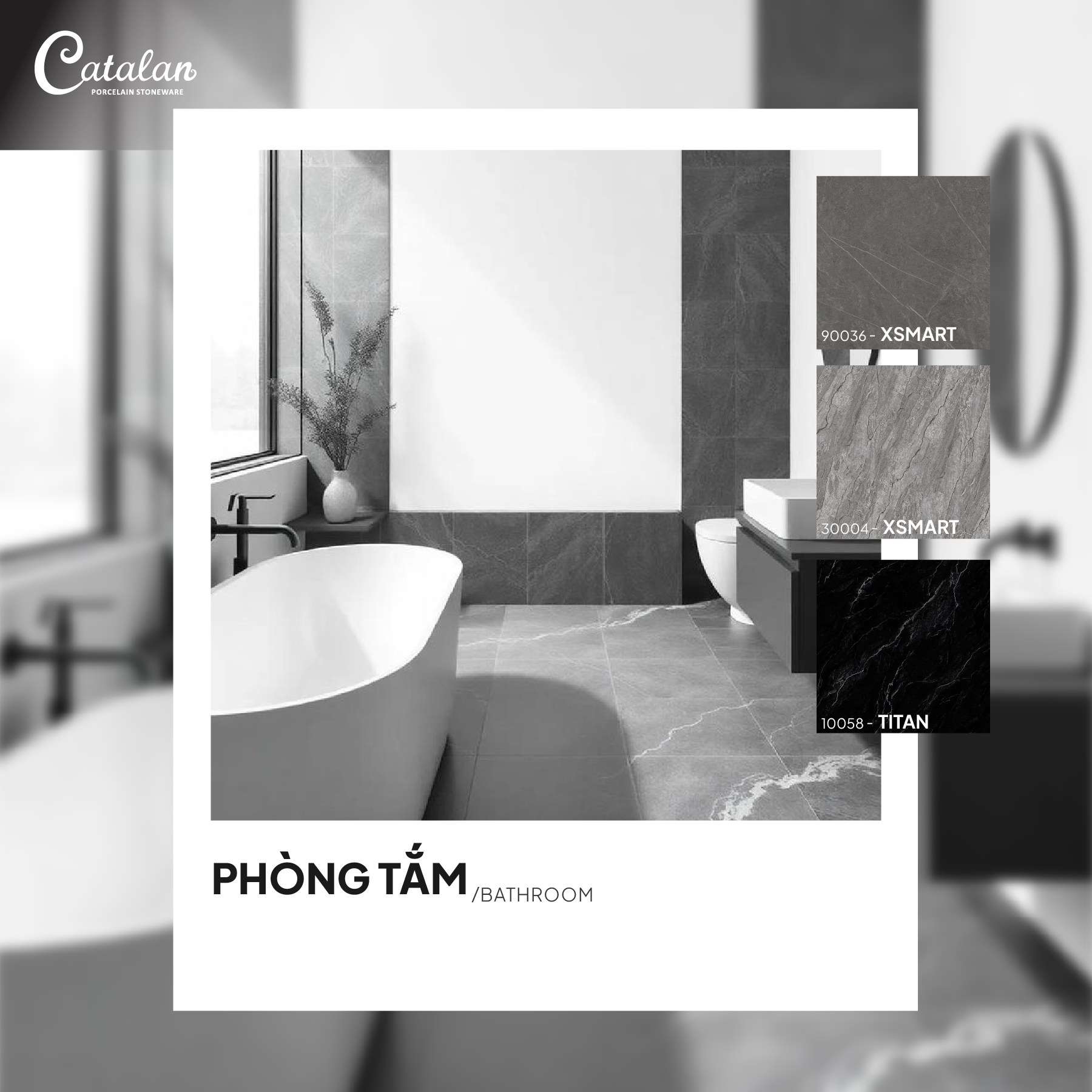
Applying Catalan tiles in Monochrome interiors
Returning to simplicity and authenticity - the core spirit of Monochrome style - is becoming a preferred direction for many designers, architects, and homeowners. Recognizing this mindset, Catalan has developed tile collections in white, grey, and greige tones, available in various sizes and designs, based on key principles:
-
Simplified color palettes
-
Emphasis on tactile material experience
-
Subtle patterns that do not overwhelm the eye
Each tile becomes a “piece of emotional composition,” allowing homeowners to create their own Monochrome spaces - modern, elegant, and rich in depth.
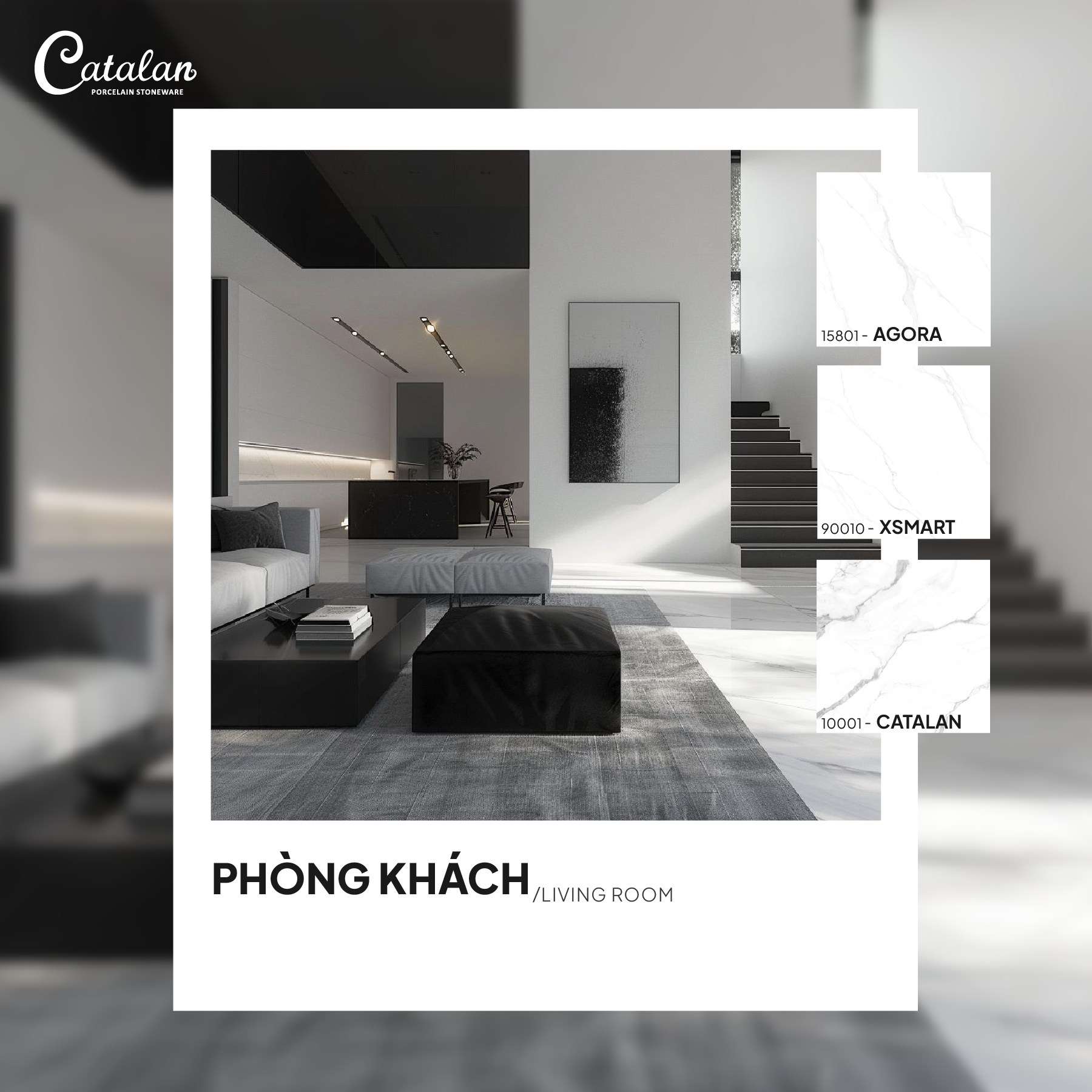
-Living room
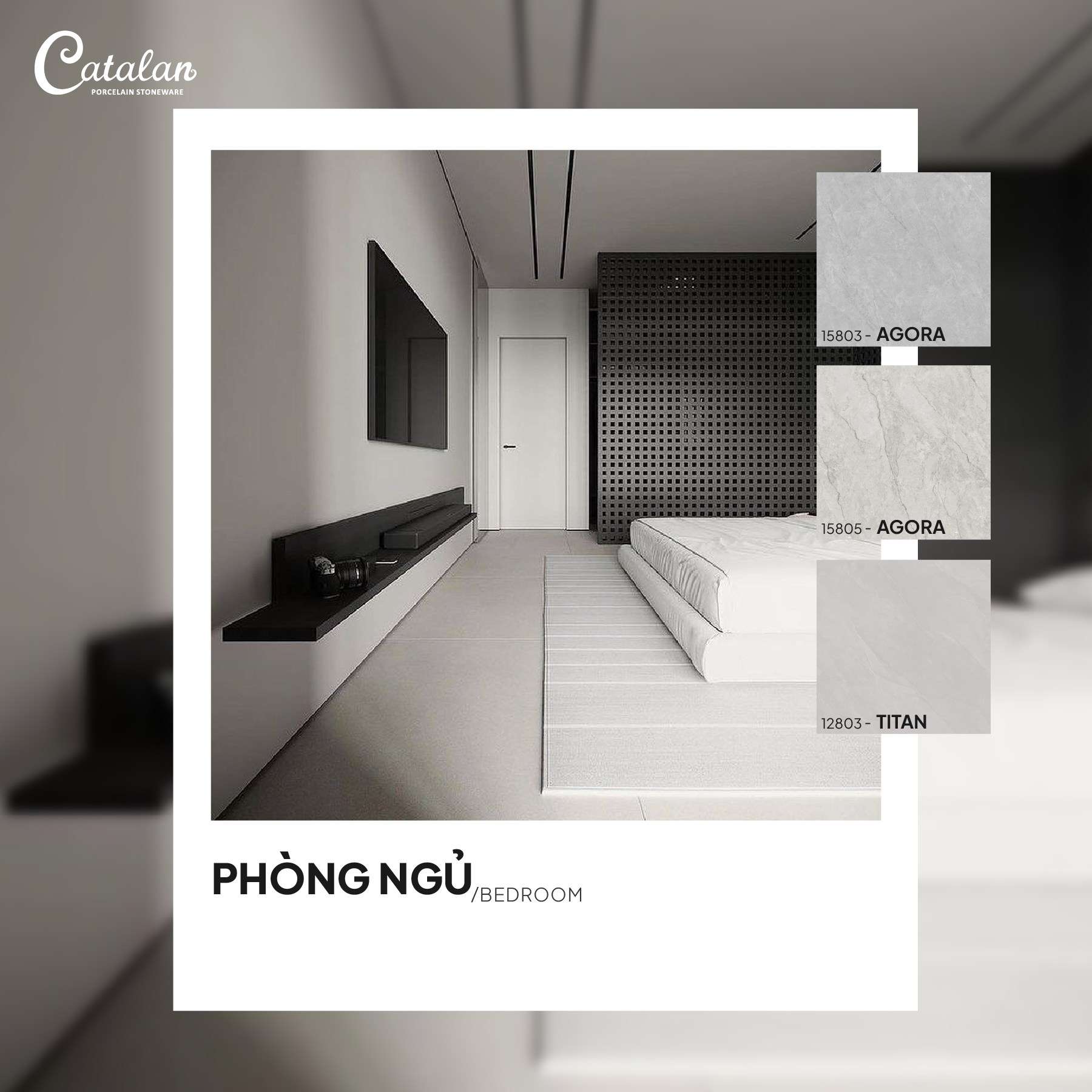
-bed room
Related posts
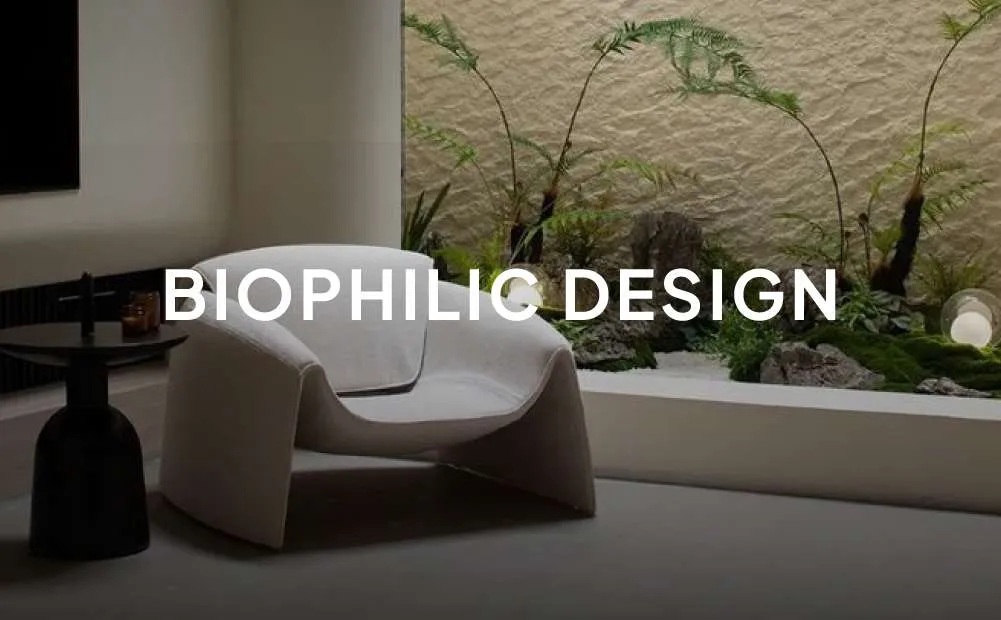
BIOPHILIC DESIGN: A DESIGN TREND THAT BRINGS NATURE INTO LIVING SPACES
In modern architecture and interior design, the trend of bringing nature into living spaces is receiving increasing attention as people spend most of their time in buildings and urban areas. Designers seek to make light, greenery, materials, forms, and experiences of nature a part of architecture.
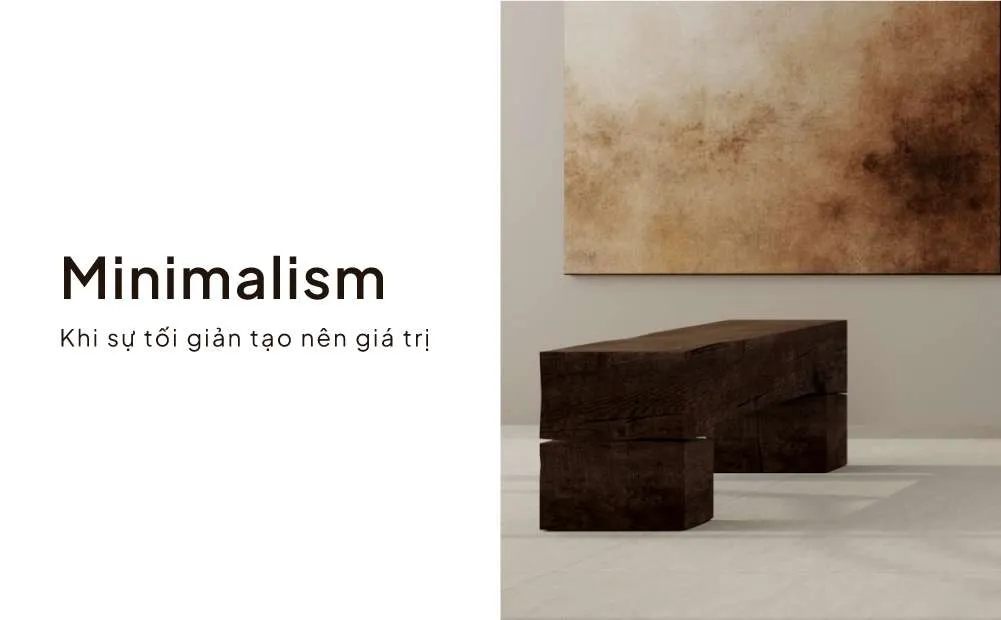
MINIMALISM: WHEN SIMPLICITY CREATES VALUE
In modern life, as people increasingly value balance and quality of living, Minimalism has become one of the most favored interior design styles. Rather than focusing on elaborate forms, Minimalism emphasizes simplicity, functionality, and essential breathing space to create a living environment that feels light, calm, and full of depth.
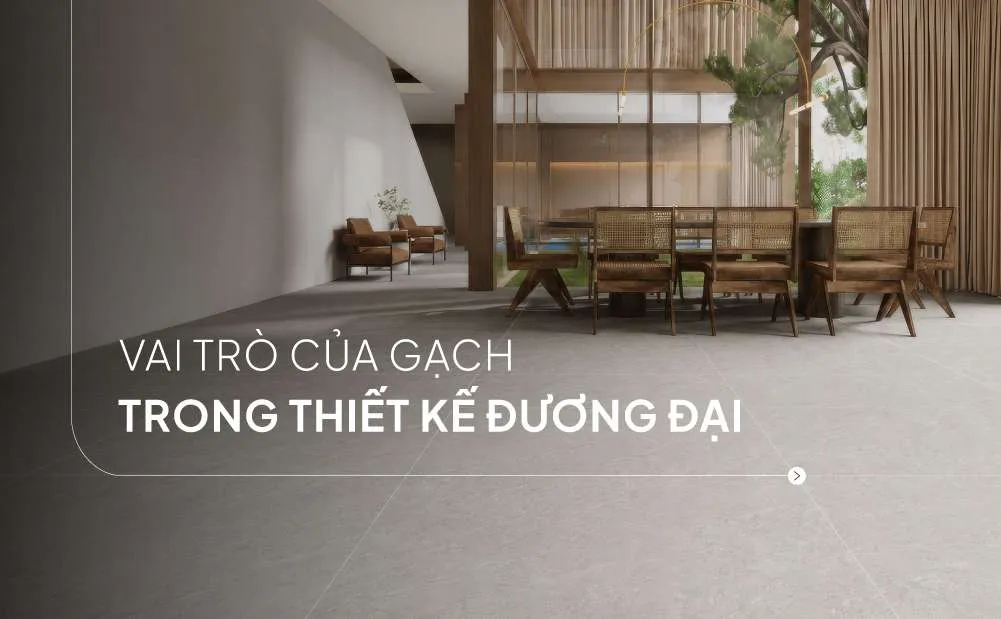
THE ROLE OF TILES IN CONTEMPORARY DESIGN
The Contemporary style allows architects and designers to flexibly combine modern lines, materials, colors, and forms to create spaces that reflect the spirit of each project. Within this overall approach, tiles are not simply a surface finishing material. With a diverse range of colors, sizes, textures, and visual effects, tiles have become an important element in shaping architectural language and creating a distinctive identity for contemporary spaces.
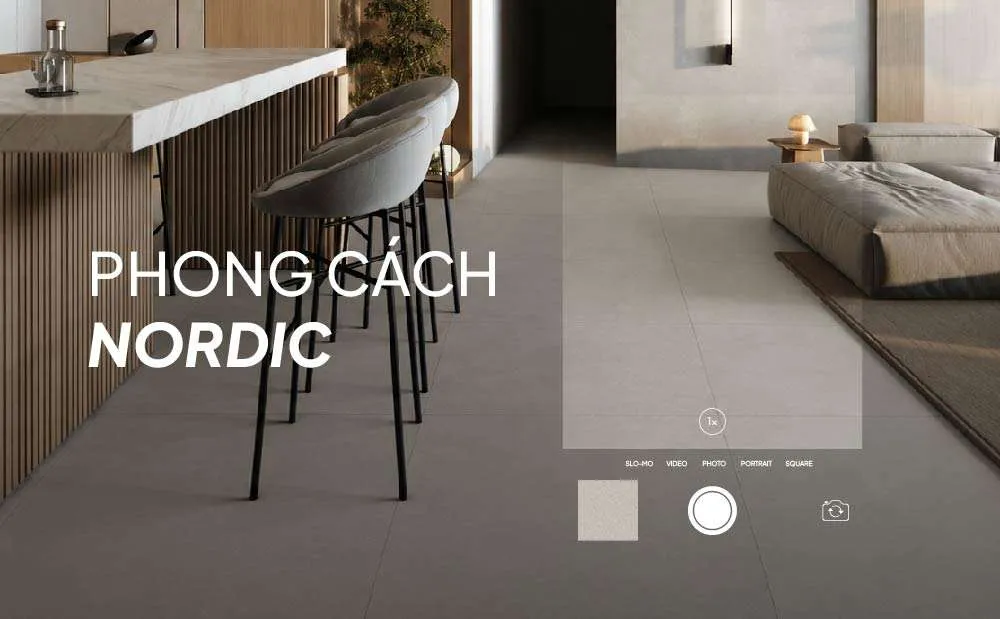
NORDIC STYLE AND TILE SELECTION TRENDS
In recent years, Nordic (Scandinavian) style has become one of the most popular interior design trends thanks to its minimalist aesthetic, refined simplicity, and strong connection to nature. Beyond furniture and wall colors, choosing the right wall and floor tiles plays an essential role in creating a harmonious, bright, and timeless living space.
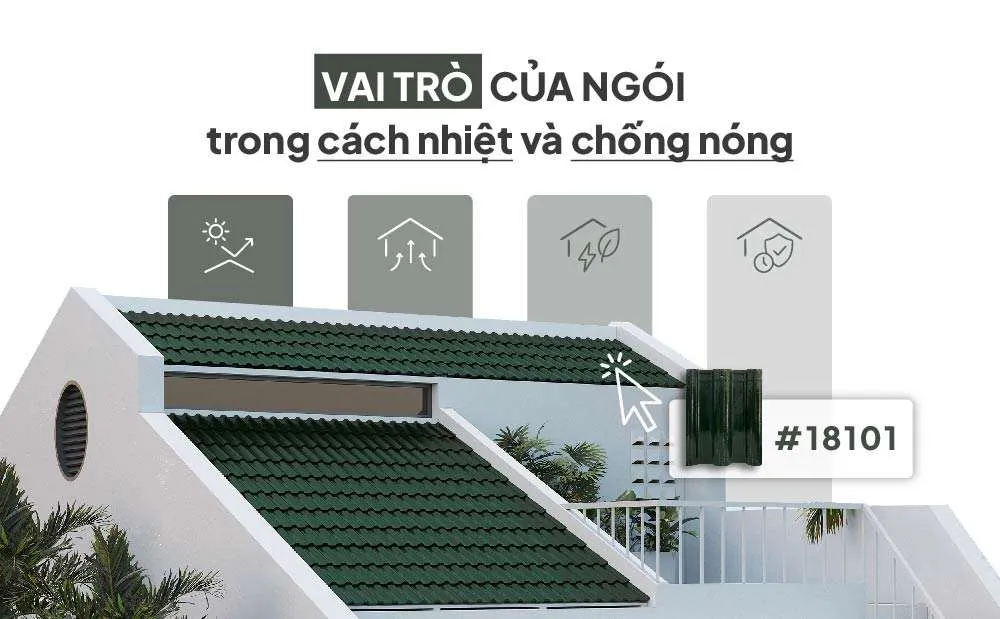
THE ROLE OF ROOF TILES IN THERMAL INSULATION AND HEAT REDUCTION FOR BUILDINGS
The roof is the part of a building that is directly exposed to sunlight, making it a major factor affecting indoor temperatures. Choosing the right roofing tiles not only enhances the aesthetic appeal of a building but also contributes to effective thermal insulation and heat reduction, creating a cooler and more energy-efficient living environment.
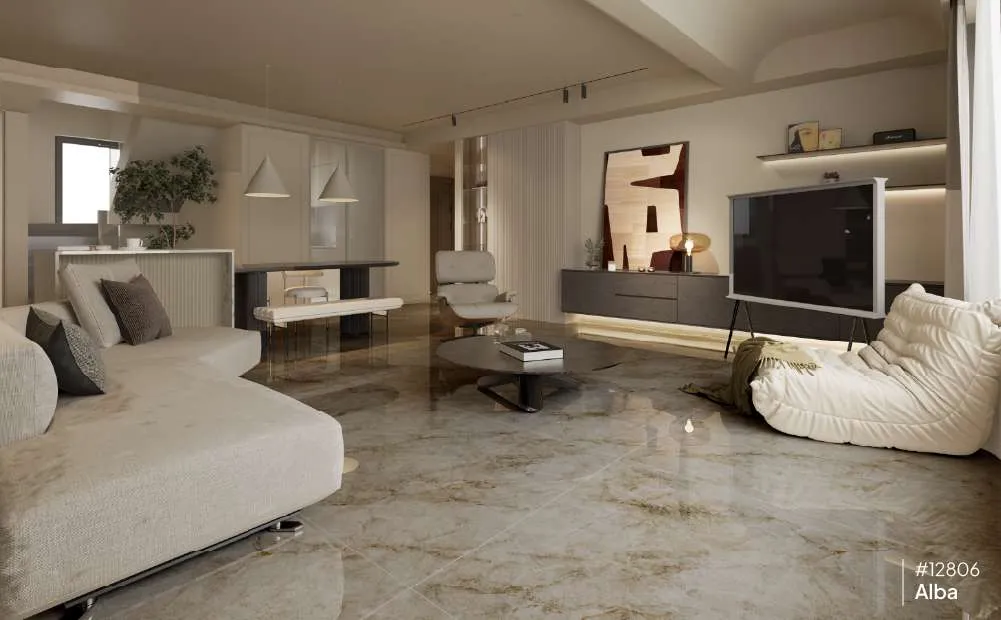
WHAT MAKES A HIGH-QUALITY BUILDING?
A beautiful building is not defined solely by its striking appearance or the latest design trends. Its true value lies in the balance between aesthetics, functionality, and long-term durability. From the initial design concept and construction quality to the selection of finishing materials, every element plays a vital role in creating a living space that is both beautiful and built to last.